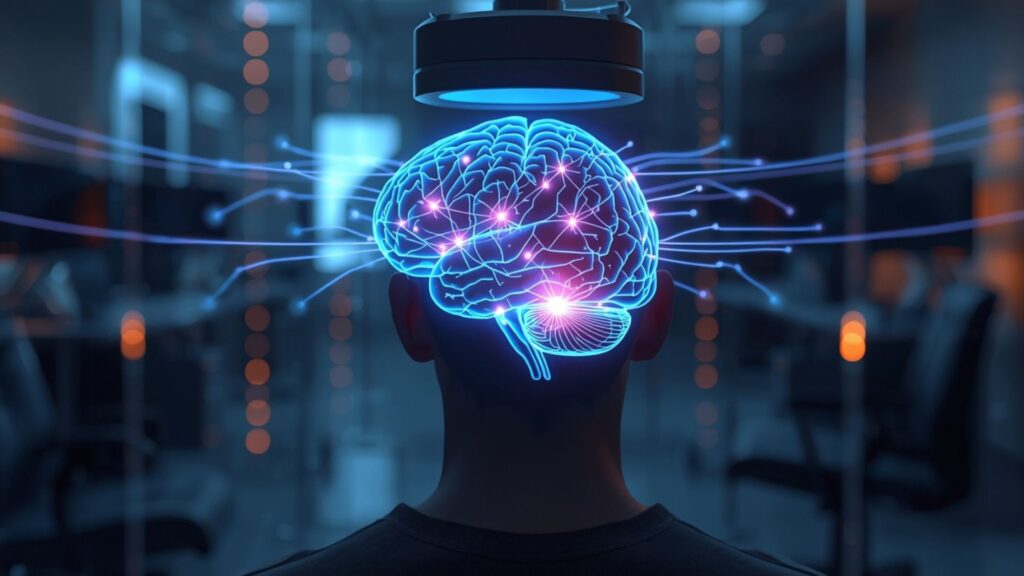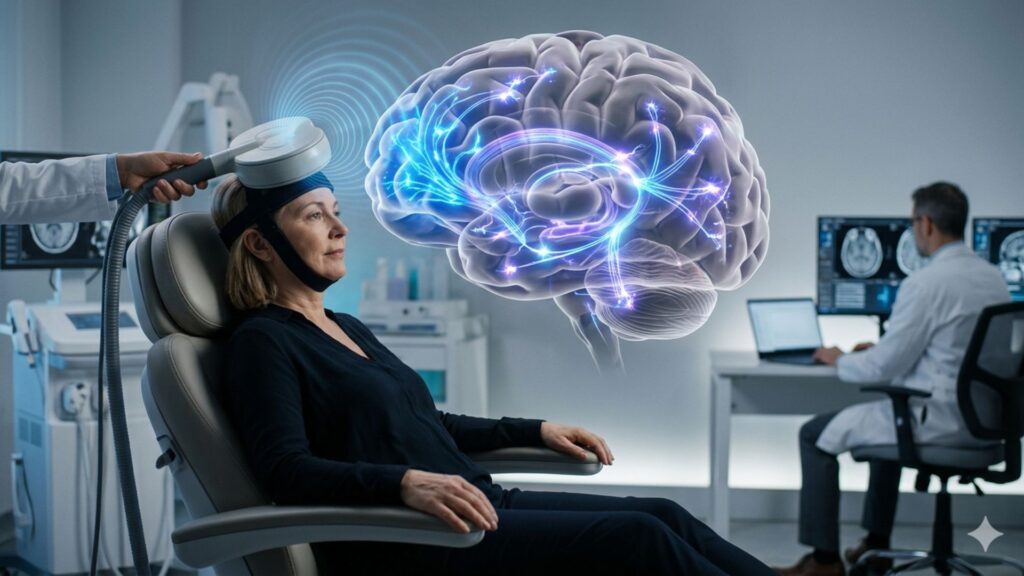

How TMS Therapy Is Transforming Depression Treatment: A Non‑Invasive Alternative to Medication
For individuals battling treatment-resistant depression (TRD), finding effective relief can be frustrating and emotionally draining. When traditional antidepressants and talk therapy fall short, Transcranial Magnetic Stimulation (TMS) offers a promising, non-invasive alternative that’s changing lives. At Palmier TMS® of Chesterfield, we specialize in cutting-edge TMS therapy, helping patients reclaim control of their mental health—without the need for medication.
TMS is FDA-approved and works by gently stimulating targeted areas of the brain that are underactive in people with depression. Using magnetic pulses, TMS activates these regions, promoting natural mood regulation without the systemic side effects of antidepressant drugs. The procedure is completely non-invasive—no sedation, no hospitalization, and no downtime required.
Our clinic, conveniently located at 112 Chesterfield Commons East Rd, Chesterfield, MO 63005, provides a warm and welcoming environment where healing begins. Our experienced team is dedicated to delivering personalized care with a compassionate touch. Whether you’re just beginning to explore alternatives or have exhausted other treatment options, we’re here to guide you every step of the way.
At Palmier TMS®, we believe everyone deserves a chance at a brighter future. That’s why we offer a free initial consultation to assess your needs and determine if TMS is right for you.
Take the first step toward lasting relief. Call (314) 697‑4867 today to schedule your free consultation and learn how TMS therapy can help you rediscover joy, energy, and peace of mind. Your path to mental wellness starts here—safe, effective, and medication-free.
What Is TMS Therapy?
Transcranial Magnetic Stimulation (TMS) is a non-invasive therapy that uses magnetic pulses to stimulate specific regions of the brain involved in mood regulation—most commonly the dorsolateral prefrontal cortex. This technique is especially helpful in treating mental health conditions like major depressive disorder (MDD) that have not responded to traditional treatments like medication or psychotherapy.
How It Works
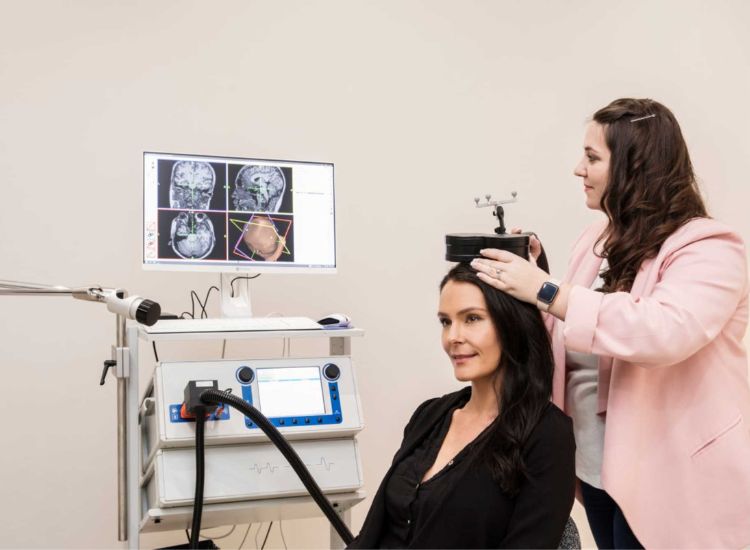
TMS therapy involves placing a magnetic coil gently against the patient’s scalp. This coil emits focused electromagnetic pulses similar in strength to those used in MRI machines. These pulses generate electrical currents in the brain, activating underactive nerve cells that are thought to contribute to depression and other neurological conditions. The procedure is painless, does not require anesthesia, and patients can resume normal activities immediately afterward. According to institutions like the Mayo Clinic and Veterans Affairs, this technology offers a promising solution for individuals seeking alternative treatment paths.
Types of TMS
There are two main forms of TMS therapy:
- Repetitive TMS (rTMS): This is the standard and most widely used form, delivering repeated magnetic pulses to targeted brain regions over several weeks. It has been FDA-approved since 2008 for major depressive disorder.
- Deep TMS (dTMS): This advanced method uses specially designed H-coils to penetrate deeper into brain structures, allowing for broader stimulation. dTMS is FDA-approved for MDD, as well as obsessive-compulsive disorder (OCD) and nicotine use disorder.
TMS continues to gain recognition from leading health institutions, including the Department of Veterans Affairs, for its efficacy and safety. It’s also being explored for other conditions, such as autism spectrum disorder, expanding the therapy’s potential to improve lives across a range of neurological and psychiatric challenges.
Why Choose TMS Over Medication?
Transcranial Magnetic Stimulation (TMS) is a non-invasive, drug-free treatment that offers new hope for individuals struggling with depression, especially those who have not found relief through conventional therapies. One of the most attractive features of TMS is that it requires no surgery or anesthesia. Patients remain fully awake, alert, and comfortable during each session, which typically lasts around 20 to 40 minutes. Unlike antidepressants that affect the entire body and often cause systemic side effects such as weight gain, sexual dysfunction, insomnia, dizziness, or gastrointestinal upset, TMS precisely targets specific areas of the brain associated with mood regulation, minimizing the risk of such complications.
Another major advantage of TMS is its relatively rapid onset of action. Many patients begin noticing improvements in their symptoms within the first 2 to 3 weeks of treatment, although some individuals may require up to four weeks or more to experience noticeable changes. Because TMS is delivered directly to the left dorsolateral prefrontal cortex—an area often underactive in people with depression—it can stimulate the brain’s natural neuroplasticity, offering a more targeted approach compared to the widespread effects of oral medications.
TMS is particularly effective in treating cases of depression that are resistant to medications or psychotherapy. Clinical research and meta-analyses have consistently demonstrated a response rate of approximately 50–60% in treatment-resistant patients, with remission rates reaching 30–35%. This makes TMS a viable option for those who have exhausted traditional avenues.
In terms of side effects, TMS is generally well-tolerated. The most commonly reported effects include mild headaches or scalp discomfort at the treatment site, which typically subside within hours. Rare side effects such as lightheadedness or dizziness may occur, while seizures—extremely rare at about 0.1%—are usually linked to incorrect use of equipment or protocols.
What to Expect from TMS Treatment at Palmier TMS in Chesterfield
✅ Eligibility & Evaluation
TMS is FDA‑cleared for adults with Major Depressive Disorder (MDD) or Obsessive‑Compulsive Disorder (OCD) whose symptoms persist despite adequate trials of antidepressants or therapy. Your initial evaluation includes a comprehensive clinical assessment to determine if TMS is a suitable and safe treatment option for you.
✅ Treatment Schedule
Our standard protocol involves daily sessions—typically Monday through Friday—for about 4–6 weeks. Session durations range from 20 to 60 minutes depending on the device type (e.g., rTMS or dTMS), allowing for flexibility based on individual needs.
✅ What Happens in Each Session
You will be comfortably seated and awake, wearing ear protection. The magnetic coil is positioned over the target region of your brain, and the pulses begin. You may feel a tapping sensation on your scalp, but most patients find the process very tolerable. There is no anesthesia required, and you can resume normal daily activities immediately after sessions with no downtime.
✅ Real‑World Success Rates
Palmier TMS reports that about 70% of patients experience long‑term depression relief or full remission—even after failing medications or therapy. This aligns with broader clinical research and gives hope to individuals struggling with treatment-resistant depression.
Benefits of TMS Therapy: At a Glance
Feature
What It Means for You
Non‑Invasive
No surgery, no anesthesia, and no systemic medications—just a simple, outpatient procedure.
Targeted
Precisely stimulates brain regions associated with mood regulation, improving effectiveness.
Fewer Side Effects
Minimal scalp discomfort or mild headaches; no weight gain, sedation, or sexual side effects.
High Success Rate
Around 50–60% of patients show significant improvement, with 30–35% achieving full remission—even in treatment-resistant depression.
Insurance Coverage
Covered by most major insurance plans including Medicare, Aetna, Cigna, BlueCross, United, Humana, TRICARE, and others—making care more accessible and affordable.
TMS (Transcranial Magnetic Stimulation) offers a promising, FDA-approved treatment option for individuals struggling with depression and other mood disorders. With short sessions and no downtime, it’s a practical choice for those seeking alternatives to traditional medications.
Frequently Asked Questions (FAQs)
1. What conditions can TMS treat?
TMS is FDA-approved for:
- Major Depressive Disorder (MDD)
- Obsessive‑Compulsive Disorder (OCD)
- Nicotine use disorder (smoking cessation
It’s also being actively studied for a range of other mental and neurological health conditions including anxiety disorders, post-traumatic stress disorder (PTSD), bipolar depression, autism spectrum disorders, and post‑concussion syndrome. While these uses are currently considered off-label or exploratory, emerging clinical evidence is promising, and ongoing research continues to broaden the scope of TMS applications.
2. How quickly will I see improvement?
Most patients begin to notice symptom relief within 2 to 3 weeks of starting treatment, though some may require up to 4 to 6 weeks to experience meaningful change. It’s important to attend sessions consistently, as TMS has a cumulative effect. Improvements often include better mood, increased motivation, and reduced feelings of anxiety or hopelessness.
3. Will insurance cover it?
Yes—Palmier TMS accepts most major insurance plans, including Medicare, Aetna, BlueCross BlueShield, United Healthcare, Cigna, Humana, and TRICARE. Insurance coverage typically applies to adult patients diagnosed with treatment‑resistant MDD or OCD, as defined by clinical guidelines. We assist in the pre-authorization process and work directly with your insurer to minimize any hassle.
4. Are there any side effects?
TMS is well-tolerated by most patients. The most commonly reported side effects are mild scalp discomfort or headache, which usually subside after the first few sessions. Less common side effects can include lightheadedness or facial twitching during stimulation. Serious side effects—such as seizures—are exceedingly rare (estimated at less than 0.1%) and are significantly mitigated by thorough screening and professional oversight. TMS does not cause weight gain, sexual dysfunction, or memory loss—side effects often associated with medications.
5. Can I stop medications during TMS?
TMS can be used alongside your current medications or as a stand-alone treatment, depending on your individual case. Some patients are able to reduce or discontinue medications over time, but any changes should be made gradually and only under the supervision of your prescribing doctor and TMS clinician. The goal is to create a treatment plan that’s safe, effective, and tailored to your needs.
6. Who is not a candidate for TMS?
TMS is not recommended for individuals who have metal implants or devices in or near the head (such as pacemakers, cochlear implants, deep brain stimulators, or aneurysm clips). It’s also not advised for those with a history of seizures, epilepsy, or certain neurological conditions. A thorough evaluation is performed prior to treatment to ensure safety and eligibility.
Real Results: Transforming Lives
At Palmier TMS of Chesterfield, our mission is to deliver lasting relief through personalized, science-backed care. With over one million treatments performed nationwide, countless individuals have regained control over their mental health. In fact, 70% of our Chesterfield patients report long-term relief or full remission following a full course of TMS therapy.
Patients often experience a significant boost in mood, focus, and energy levels, which translates to improved work performance, family life, and overall quality of living. You’ll remain awake and alert throughout each session, with no cognitive or memory side effects, and you’re free to drive yourself to and from treatments—making TMS an ideal choice for busy professionals and families alike.
Our compassionate team is here to guide you every step of the way—from the initial consultation to the final treatment session and beyond.
Conclusion
Transcranial Magnetic Stimulation (TMS) Therapy is revolutionizing the way we treat depression—especially for those who have not found relief through traditional methods like medication or psychotherapy. TMS is a non-invasive, FDA-cleared treatment that uses magnetic pulses to stimulate specific areas of the brain involved in mood regulation. It is medication-free, requires no sedation or anesthesia, and has minimal side effects, making it a safe and highly targeted alternative for treatment-resistant depression.
Unlike antidepressants that often come with a long list of side effects—such as weight gain, fatigue, or emotional numbness—TMS offers a more precise approach. Treatments are performed in-office, typically five days a week over the course of several weeks, and patients can resume normal activities immediately afterward. Clinical studies have consistently shown that TMS can significantly reduce depressive symptoms and, in many cases, lead to full remission. For individuals who have struggled for years without meaningful progress, TMS can offer a new path forward—one that fosters real hope and healing.
At Palmier TMS of Chesterfield, we’re committed to delivering not only advanced clinical care but also a compassionate, patient-centered experience. Our expert team uses the latest TMS technology to tailor treatment plans to each individual’s needs, ensuring the best possible outcomes. We understand the emotional weight of treatment-resistant depression and are here to guide you every step of the way—with empathy, respect, and a focus on long-term wellness.
If you’ve exhausted other treatment options, TMS may offer the breakthrough you’ve been waiting for. Contact Palmier TMS of Chesterfield today and discover how this life-changing therapy can help restore your quality of life
Take the First Step Toward Relief
If you’re ready to explore a more effective, non‑invasive path to mental wellness, we invite you to:
📍 Visit Us: 112 Chesterfield Commons East Rd, Chesterfield, MO 63005
📞 Call Today: Click to Call (314) 697‑4867
🌐 Schedule Your Appointment Online: Book Now– Is TMS Right for You?
You deserve better—and TMS Therapy at Palmier TMS Chesterfield may be the breakthrough you’ve been waiting for.