
Breaking New Ground: Autism Spectrum Therapy with TMS

Autism Spectrum Disorder (ASD) is a multifaceted neurodevelopmental condition, often marked by challenges in social interaction, communication, and repetitive behaviors. While traditional treatments—such as behavioral therapies, speech interventions, and medications—can provide significant support, they don’t always address the full spectrum of symptoms. Many individuals still grapple with sensory overload, high anxiety, communication roadblocks, or executive functioning difficulties that interfere with daily life.
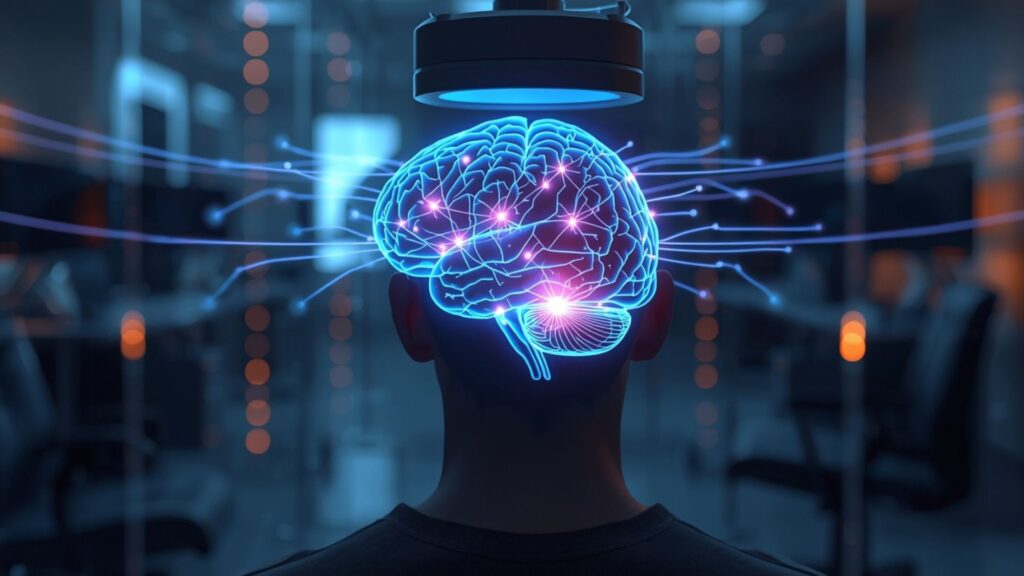
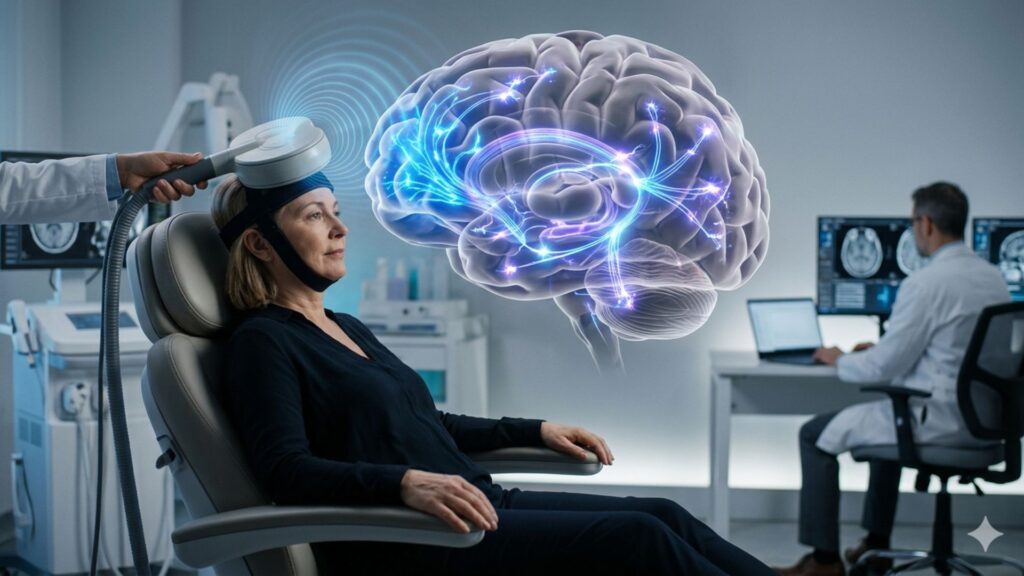
Now, a promising new frontier in care is emerging: Transcranial Magnetic Stimulation (TMS). This non-invasive, FDA-cleared technology uses magnetic pulses to stimulate targeted regions of the brain. Though traditionally used for depression and OCD, growing research and clinical experience suggest that TMS may offer measurable benefits for individuals on the autism spectrum—especially when other therapies have plateaued. At Palmier TMS & Behavioral Health, we are at the forefront of applying this innovative tool in a compassionate, personalized way.
1. The Promise and Science of TMS in Autism
Transcranial Magnetic Stimulation (TMS) is a non-invasive neuromodulation technique that uses magnetic pulses to stimulate specific areas of the brain. Originally developed for treatment-resistant depression, TMS is now being explored for a variety of neurological and psychiatric conditions—including Autism Spectrum Disorder (ASD).
Recent research suggests that repetitive TMS (rTMS), especially when applied to targeted brain regions, may help alleviate certain core and associated symptoms of autism. While not a cure, TMS offers a potentially valuable complement to traditional therapies by promoting neuroplastic changes in the brain.
Here’s how TMS shows promise in ASD:
- Normalization of Brain Activity
Individuals with autism often show atypical gamma band oscillations—patterns of electrical activity in the brain associated with attention, perception, and cognition. rTMS may help normalize these oscillations, improving overall cognitive processing. - Improved Cognitive Control & Social Cognition
Targeted stimulation, particularly of the dorsolateral prefrontal cortex (DLPFC), can enhance executive functions such as decision-making, attention regulation, and working memory. Some studies also report gains in social awareness and adaptability—areas often impacted in ASD. - Reduced Anxiety and Arousal
TMS appears to influence the autonomic nervous system, helping to reduce hyperarousal and manage anxiety, which are common in individuals on the spectrum. This regulation may lead to improved emotional responses in overstimulating environments. - Decrease in Repetitive Behaviors
Certain protocols have demonstrated a reduction in compulsive or repetitive behaviors, along with improved error monitoring—the brain’s ability to recognize and correct mistakes. These improvements can support greater independence and flexibility in behavior.
While research is still emerging, the growing body of evidence suggests that TMS holds significant potential to support cognitive, emotional, and behavioral development in individuals with autism, especially those who have not responded adequately to conventional therapies.
2. How TMS Is Delivered for Autism
TMS therapy for Autism Spectrum Disorder is a promising but off-label and experimental approach—distinct from standardized depression protocols. Because every person with autism is unique, treatment must be highly personalized and carefully aligned with each individual’s symptoms, goals, and neurological profile.
A. Neuro-Assessment & Brain Mapping
Before treatment begins, patients often undergo brain activity assessments—such as EEG (electroencephalography) or EEG combined with TMS. These assessments help clinicians:
- Measure gamma band activity, which is often dysregulated in autism
- Identify specific brain regions—such as the dorsolateral prefrontal cortex (DLPFC)—that may be overactive or under-functioning
- Develop a targeted stimulation plan tailored to the patient’s cognitive and behavioral profile
B. Goal-Based, Function-Targeted Stimulation
TMS for autism is not a one-size-fits-all treatment. Instead, stimulation frequency and targets are selected based on the therapeutic goal:
- Low-frequency (inhibitory) stimulation is used to calm overactive regions, which may reduce sensory overload or repetitive behaviors.
- High-frequency (excitatory) stimulation aims to activate underperforming areas—enhancing attention, executive function, or social cognition.
Common goals include:
- Reducing emotional reactivity and anxiety
- Enhancing social skills and interaction
- Improving sensory integration and tolerance
C. Session Format and Frequency
TMS for autism typically involves:
- Two or more sessions per week, lasting anywhere from 3 to 6 weeks
- Each session lasting 18 to 30 minutes, depending on the protocol
- Symptom tracking and real-time feedback, used to adjust and personalize future sessions
Patients remain awake and seated throughout. Some may listen to music or wear ear protection during the session for added comfort.
D. Safety & Side Effects
TMS is considered safe and well-tolerated, including in adolescents and young adults with ASD. Reported side effects are generally mild and short-lived, and may include:
- Tingling or slight discomfort at the scalp
- Brief ear sensitivity due to the clicking sound of the machine
- Mild headaches that typically resolve on their own
Because no anesthesia or medication is used, patients can return to normal activities immediately after their sessions—making TMS highly accessible and non-disruptive to family routines or school schedules.
3. Growth Beyond Trials: Real-World Applications
While the use of Transcranial Magnetic Stimulation (TMS) for Autism Spectrum Disorder (ASD) is still largely investigational, its real-world potential is becoming increasingly apparent. Clinical trials, small pilot programs, and integrative therapies such as TMS combined with neurofeedback are demonstrating encouraging outcomes that go beyond the research lab.
A. Emerging Evidence from Clinical and Pilot Studies
Numerous small-scale studies have explored the effects of repetitive TMS on various core and associated ASD symptoms. These early findings have provided a foundation for optimism among clinicians and families alike.
Key improvements observed include:
- Enhanced Attention and Social Cognition
Patients undergoing protocols that combined TMS with EEG-based neurofeedback—particularly over 18 or more sessions—have shown noticeable improvements in focus, emotional interpretation, and social awareness. These enhancements are believed to stem from improved cortical synchronization and executive control. - Reduction in Repetitive Behaviors
Low-frequency (0.5 Hz) stimulation targeting the dorsolateral prefrontal cortex (DLPFC) has been linked to decreases in stereotypical or repetitive behaviors. Additionally, patients report better self-monitoring and reduced cognitive rigidity, contributing to greater behavioral flexibility in daily life. - Autonomic Nervous System Regulation
TMS appears to help rebalance autonomic function, especially in individuals prone to heightened anxiety or emotional reactivity. By reducing sympathetic arousal (the “fight or flight” response) and improving parasympathetic activity, TMS may support a calmer, more regulated physiological state—leading to fewer meltdowns and improved emotional resilience.
B. Meta-Analysis & Safety Overview
A growing number of systematic reviews and meta-analyses have analyzed TMS use in autism populations. Findings consistently affirm that the treatment is:
- Well-tolerated
- Non-invasive
- Free from serious side effects
Approximately 25% of participants report mild, short-term side effects, such as headaches or temporary scalp sensitivity. No significant adverse events or long-term health risks have been recorded to date, reinforcing TMS as a low-risk, potentially high-reward therapy for those seeking alternatives or additions to traditional interventions.
C. Broader Therapeutic Horizons
The real-world application of TMS in autism is expanding. It is now being explored not just for core autism traits, but also for comorbid conditions, including:
- Generalized Anxiety Disorder (GAD)
- Obsessive-Compulsive Disorder (OCD)
- Attention-Deficit/Hyperactivity Disorder (ADHD)
These comorbidities are common among individuals with ASD and often complicate treatment plans. By targeting overlapping brain circuits, TMS offers the potential to improve multiple domains of functioning simultaneously.
4. Palmier TMS: Tailoring TMS for Autism
At Palmier TMS & Behavioral Health, we understand that no two individuals on the autism spectrum are alike. That’s why our TMS approach is built on the foundation of personalized care, evidence-informed protocols, and integrative collaboration. For families seeking thoughtful, cutting-edge interventions, Palmier offers a safe and compassionate environment for exploring TMS as part of an autism treatment plan.
A. Holistic Evaluation: Your Journey Starts With Understanding
Every patient begins with a comprehensive evaluation. We review:
- Medical history and existing ASD diagnoses
- Cognitive, emotional, and behavioral patterns
- Previous therapeutic experiences and outcomes
- Baseline neurophysiological assessments, including optional EEG or TMS-EEG mapping
These insights help us pinpoint neural targets that may benefit from modulation—especially if a child or adult is experiencing challenges like sensory overload, social withdrawal, or chronic anxiety.
B. Personalized Protocols: Therapy Designed Around You
We never use a one-size-fits-all model.
Instead, your TMS protocol is custom-tailored to match:
- Your neuroprofile and cognitive strengths
- Your therapy goals (e.g., improved social reciprocity, emotional regulation, reduced sensory reactivity)
- Your schedule and tolerance for stimulation frequency
Some may benefit from low-frequency (inhibitory) pulses to calm overstimulated brain areas; others may require high-frequency (excitatory) pulses to activate underperforming circuits. Adjustments are made in real time based on feedback, progress, and comfort.
C. Expert, Supportive Care: A Calming Space to Grow
TMS sessions at Palmier are conducted by licensed, experienced professionals who specialize in neurodevelopmental care. Beyond clinical expertise, we prioritize a calm, sensory-considerate environment where patients feel:
- Heard
- Respected
- Comfortable
Our team ensures each session is predictable and routine, minimizing anxiety and maximizing cooperation. Parents, caregivers, or trusted support persons are welcome to participate or observe if helpful for the patient.
D. Safety First: Continuous Monitoring & Compassionate Protocols
Safety is the cornerstone of everything we do. Autism therapies—especially those involving brain modulation—require vigilance, transparency, and collaboration. At Palmier TMS:
- All protocols undergo medical and ethical review
- Guardians, therapists, and specialists may be involved for optimal care coordination
- We continuously monitor vital signs, mood, sleep patterns, and feedback
- Adjustments are made proactively to prevent over-stimulation or fatigue
With low reported risk and minimal side effects, our TMS protocols aim to build progress steadily without discomfort or disruption.
E. Flexible & Collaborative: Integrating with Your Existing Therapy Team
We believe TMS should complement—not replace—your existing supports. Palmier TMS works hand-in-hand with:
- Applied Behavior Analysis (ABA) providers
- Speech and occupational therapists
- Sensory integration therapists
- School teams and IEP planners
- Psychologists and psychiatrists
By collaborating across disciplines, we can ensure TMS integrates into your life without causing confusion or conflicts in treatment plans.
Frequently Asked Questions – TMS for Autism Spectrum Disorder
Q1: Is TMS FDA-approved for autism?
Currently, TMS is FDA-cleared for major depression and obsessive-compulsive disorder (OCD). Its use in autism spectrum disorder (ASD) is considered off-label and investigational. However, a growing body of research and clinical practice suggests promising outcomes in improving core and associated ASD symptoms.
Q2: Who benefits most from TMS for autism?
Individuals—especially adolescents and young adults—with challenges related to emotional regulation, attention, social engagement, or repetitive behaviors often see the most benefit. These effects are typically strongest when TMS targets executive brain circuits, such as the dorsolateral prefrontal cortex (DLPFC).
Q3: Is TMS safe for children or adolescents with autism?
Yes. Multiple studies confirm that TMS is well-tolerated in children and teens with ASD, with only mild, short-term side effects reported—like scalp tingling or brief headaches. Sessions are non-invasive and non-sedating, making them appropriate for younger patients under clinical supervision.
Q4: How long do the results last?
Early research and case studies show that improvements—such as better focus, reduced anxiety, and enhanced social behaviors—can last several months to even years, particularly when supported by ongoing behavioral therapy or occasional booster sessions.
Q5: Will my insurance cover TMS for autism?
Because this use is considered experimental, insurance providers typically do not cover TMS for autism. At Palmier TMS, we ensure transparent pricing, discuss options upfront, and assist with documentation if you’d like to explore potential reimbursement or flexible payment solutions.
Q6: What are the common side effects?
Roughly 1 in 4 patients experience mild side effects, such as scalp discomfort, temporary headache, or brief fatigue. These usually resolve within hours and do not interrupt daily activities. No serious or long-term adverse effects have been noted in clinical studies for ASD patients.
Q7: How soon can I return to regular routines after a session?
Immediately. TMS is an outpatient procedure with no need for sedation or recovery time. Most patients return to school, work, or daily activities right after each session without any disruption.
Conclusion
TMS for Autism Spectrum Disorder is breaking new ground in mental health care. While still experimental, early studies show meaningful improvements in core and related symptoms—executive function, attention, emotional regulation, and repetitive behavior. At Palmier TMS & Behavioral Health, we offer carefully tailored, evidence-informed treatment, grounded in collaboration with broader therapeutic teams.
We believe TMS is a valuable adjunct to existing supports, offering renewed potential and autonomy for individuals across the autism spectrum.
Curious if TMS could complement your autism support strategy? Start today:
- Schedule a free consultation to discuss goals, history, and eligibility
- Get expert guidance on neuro-mapping and protocol planning
- Explore personalized treatment designed for your unique needs
📍 Visit one of our Missouri locations (Chesterfield, Richmond Heights, Osage Beach)
📞 Call (314) 697‑4867 or message us online at palmiertms.com
📩 Email us to set up your appointment and discuss coverage options
Break new ground with TMS—empower your potential for independence, engagement, and wellness.