
Palmier TMS Podcast Series: What is TMS Part 1
Introduction to Transcranial Magnetic Stimulation
Transcranial Magnetic Stimulation (TMS) is a groundbreaking, non-invasive therapy that uses magnetic fields to stimulate nerve cells in the brain. Initially developed to treat depression, TMS has gained FDA approval and is now widely used for a variety of mental health conditions, including anxiety, obsessive-compulsive disorder (OCD), smoking cessation. For individuals who have not responded well to traditional treatments like medications or talk therapy, TMS offers a promising alternative.
How TMS Works
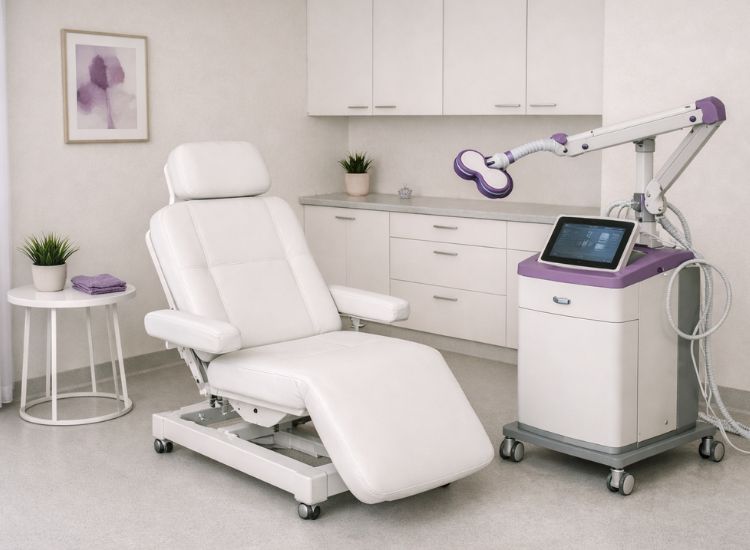
TMS operates on the principle of electromagnetic induction, a concept first introduced by physicist Michael Faraday. During a TMS session, a clinician places a specially designed magnetic coil gently against the patient’s scalp. This coil is positioned over specific regions of the brain, typically the dorsolateral prefrontal cortex (DLPFC), which is known to be underactive in people with depression. Once the coil is activated, it emits a series of magnetic pulses that pass painlessly through the skull and into the brain tissue beneath.
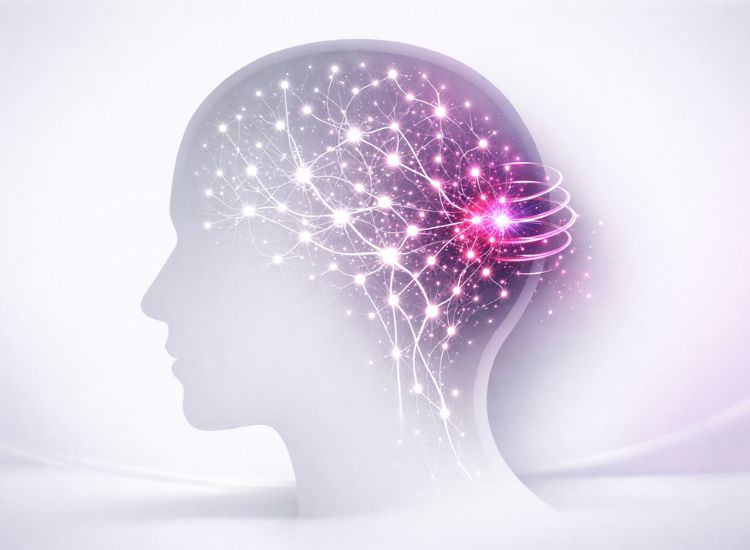
These magnetic pulses generate small electrical currents in the targeted brain regions, stimulating underactive neurons and promoting activity in the neural circuits responsible for mood regulation. Over multiple sessions, this stimulation can help to “retrain” the brain, fostering healthier patterns of neural activity and alleviating symptoms of depression and other mood disorders.
The frequency and intensity of the magnetic pulses can be customized depending on the condition being treated. High-frequency stimulation (above 5 Hz) tends to excite neural activity, making it suitable for depression, while low-frequency stimulation (around 1 Hz) can suppress overactive areas of the brain, which may be beneficial for anxiety or OCD.
In addition to standard TMS protocols, an advanced technique called Theta Burst Stimulation (TBS) has been developed. TBS delivers rapid bursts of magnetic pulses in a specific pattern designed to mimic the brain’s natural rhythms. Remarkably, TBS sessions can be completed in as little as 3 minutes, compared to the standard 20 to 40 minutes required for traditional TMS protocols. This makes treatment more accessible and convenient for patients with busy schedules while delivering similar or even enhanced therapeutic effects.
What Makes TMS Different?
One of the key advantages of TMS is its outstanding safety profile. Unlike medications that can cause systemic side effects such as weight gain, drowsiness, sexual dysfunction, and gastrointestinal issues, TMS targets specific brain regions without affecting the rest of the body. This localized approach means that patients can receive effective treatment without compromising other aspects of their health.
TMS is also non-invasive, requiring no surgery, anesthesia, or sedation. This allows patients to remain fully awake and alert throughout the session. Many people appreciate that they can drive themselves to and from appointments and immediately return to their regular daily activities afterward—a level of convenience that is hard to match with other medical treatments.
Moreover, TMS has demonstrated effectiveness in treating patients with treatment-resistant depression—those who have not found relief from traditional medications or therapies. For these individuals, TMS offers a new pathway toward symptom improvement when other options have failed. Studies have shown significant response and remission rates, making TMS a beacon of hope for many struggling with persistent mental health challenges.
Another distinguishing feature is the flexibility of TMS protocols. Treatment plans can be tailored to individual patient needs, adjusting the intensity, frequency, and location of magnetic pulses for optimal outcomes. Newer advancements, such as accelerated TMS and Theta Burst Stimulation (TBS), further enhance its adaptability. These options allow for shorter, more efficient sessions without compromising effectiveness, offering greater flexibility for patients with demanding schedules.
Additionally, the long-term benefits of TMS are noteworthy. While many medications must be taken continuously to maintain their effects, TMS often provides sustained relief after a full course of treatment. Maintenance sessions can be scheduled as needed, reducing the ongoing burden of care and fostering greater independence for patients.
Lastly, TMS fosters a holistic approach to mental health treatment. It can be integrated with other therapeutic modalities, such as cognitive-behavioral therapy (CBT), mindfulness practices, and lifestyle modifications, creating a comprehensive treatment plan. This integrative approach allows for more personalized care, addressing both the neurological and psychological components of mental health conditions.
The Expanding Role of TMS in Mental Health
While TMS was first approved for treatment-resistant depression, its applications have rapidly broadened to address a wide range of conditions. Research continues to explore the potential of TMS in treating conditions such as anxiety disorders, obsessive-compulsive disorder (OCD), smoking cessation and addiction recovery, post-concussion syndrome (PCS), post-traumatic stress disorder (PTSD), chronic pain, and migraines. TMS shows promise in targeting disrupted neural pathways and helping restore balance in brain activity, making it a versatile and effective tool in modern mental health and neurological care.
What to Expect from This Guide
This chapter is just the starting point. In the sections ahead, we will explore how magnetic fields function in therapy, the science of neuroplasticity, safety and side effects of TMS, and its role in modern psychiatry. We’ll also examine how TMS compares to traditional treatments and highlight patient experiences with this innovative therapy.
If you’re curious about how TMS specifically impacts the brain or how it stands alongside other mental health treatments, stay tuned—these topics will be covered in-depth in later chapters.
Sources:
George, M. S., Lisanby, S. H., Avery, D., et al. (2010). Daily left prefrontal transcranial magnetic stimulation therapy for major depressive disorder. Archives of General Psychiatry, 67(5), 507-516. https://doi.org/10.1001/archgenpsychiatry.2010.46
Rossi, S., Hallett, M., Rossini, P. M., & Pascual-Leone, A. (2009). Safety and application guidelines for TMS. Clinical Neurophysiology, 120(12), 2008-2039. https://doi.org/10.1016/j.clinph.2009.08.016
Carpenter, L. L., et al. (2012). Transcranial magnetic stimulation for treatment-resistant depression. Depression and Anxiety, 29(7), 587-596. https://doi.org/10.1002/da.21967
Hallett, M. (2000). Transcranial magnetic stimulation and the human brain. Nature, 406(6792), 147-150. https://pubmed.ncbi.nlm.nih.gov/10910346/