
Safety & Side Effects of TMS Part 2:Common Side Effects and How to Address Them

Transcranial Magnetic Stimulation (TMS) is considered one of the safest treatments available for mental health conditions like depression, anxiety, and OCD. But just like any medical procedure, it can come with some side effects. Thankfully, most are mild, temporary, and easy to manage. Understanding what’s normal and how to handle it helps patients feel more confident going into treatment.
Mild Headaches and Scalp Discomfort
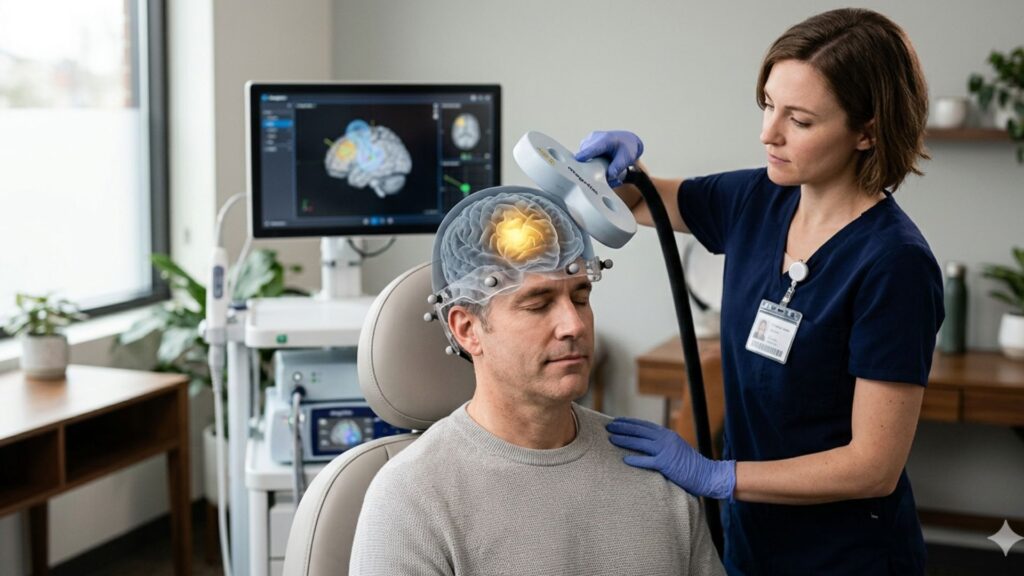
The most commonly reported side effect of TMS is a mild headache or scalp discomfort at the site where the magnetic coil is placed. About 20% to 40% of patients experience this early in treatment, especially during the first week. This discomfort comes from the tapping sensation of the magnetic pulses activating scalp muscles and nerves.
These headaches usually fade after a few sessions as the body adjusts. In the meantime, most patients find relief using:
- Over-the-counter pain relievers like Tylenol or ibuprofen
- A small adjustment to the coil’s placement
- Reducing stimulation intensity temporarily, if needed
Facial Muscle Twitching or Tingling
It’s also common for patients to feel light twitching in their forehead or face during a session. This happens when the magnetic pulses activate nearby facial muscles. It might feel strange at first, but it’s completely harmless.
These twitches usually stop after treatment or once the coil is adjusted slightly. Most patients say it becomes barely noticeable after a few sessions.
Sensory Reactions During Treatment
Many people describe the sensation of TMS as a clicking or tapping on the head, paired with the rhythmic sound of the machine. Some may also feel a tingling in the scalp during or shortly after treatment.
While unusual at first, this sensation is part of how TMS works and usually doesn’t cause discomfort. Patients often adjust quickly to the feeling and grow used to the sounds and rhythm of treatment.
Temporary Lightheadedness or Fatigue
Less than 5% of patients report feeling briefly lightheaded or tired after a session. This typically isn’t caused by the treatment itself, but rather by things like skipping meals before treatment, mild dehydration, and poor sleep the night before. Drinking water, having a light snack, and taking a moment to rest before standing up usually solves the problem.
Mood Shifts or Emotional Sensitivity
One of the more interesting effects of TMS is how it can influence mood—not just in the long run, but sometimes even during the first few sessions. Some people report feeling more emotional, weepy, or easily irritated in the first few days of treatment. Others say they feel a little foggy or mentally “off.”
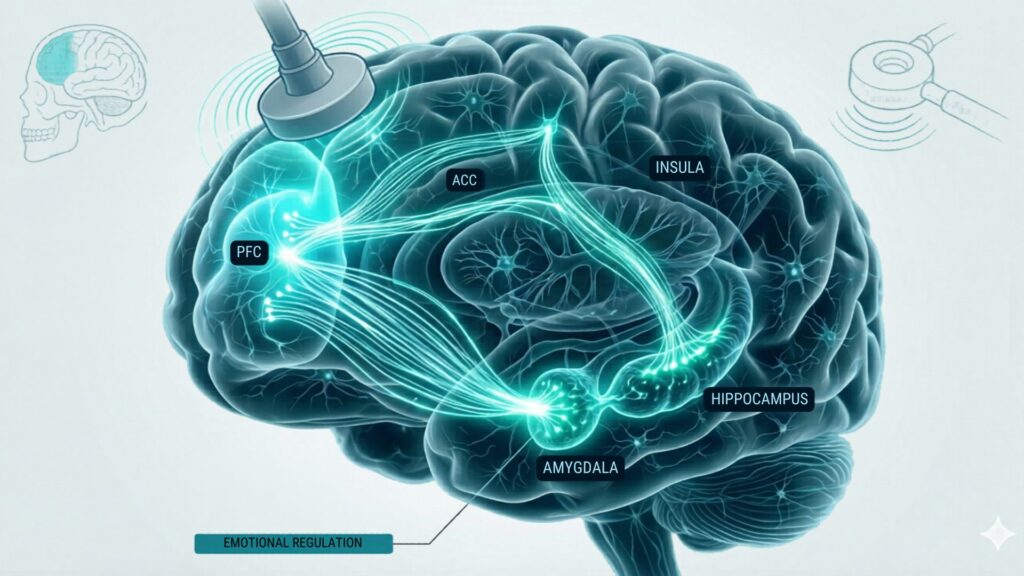
This early emotional sensitivity isn’t a bad sign. It’s thought to reflect the brain’s adjustment to stimulation, as TMS begins to shift patterns in mood-related brain circuits. Some people even experience short bursts of energy or restlessness as their brain activity changes.
Another common experience among around 20% of patients is what is referred to as the “TMS dip.” Often, in the middle of treatment, patients who started to feel a bit of relief from their symptoms report a resurgence in symptom intensity- like a “dip” in mood. This phenomenon, while it can be discouraging, is a reaction to the adapting neural circuits caused by treatment. TMS staff are typically trained on the “dip” phenomenon and are trained in counseling patients through this tough time.
These shifts are usually short-lived and fade as treatment continues. The dip, for example, tends to last around a week or two for most patients experiencing it. If the shifts persist or become distressing, providers can often adjust the frequency or intensity of the treatment to help balance things out. Emotional responses are not a failure of the treatment—they’re often a normal part of the journey toward better regulation.
Hearing Protection and Safety
TMS machines make a loud clicking noise, similar to an MRI. While this sound is part of how the treatment works, it can be uncomfortable if proper hearing protection isn’t used. That’s why earplugs are always offered during treatment.
There have been no reported cases of hearing loss when patients wear earplugs as instructed. Many people bring their own if they prefer a specific fit or style.
What to Watch For
While TMS is considered very safe, it’s still important to speak up about anything that feels out of the ordinary. Patients should always report:
- Headaches that get worse or don’t go away with simple pain relievers
- Dizziness that lasts more than a few minutes after a session
- Significant mood swings that feel different from their typical ups and downs
- New or worsening anxiety, irritability, or restlessness
- Thoughts of self-harm or unusual emotional reactions
While serious reactions are extremely rare, clear communication helps providers ensure safety and comfort at every stage. Most of the time, symptoms like fatigue or irritability can be improved by adjusting the intensity, frequency, or timing of sessions. The key is staying open with your care team—they’re there to help fine-tune your experience so you get the benefits without the burden.
Final Thoughts
Most side effects from TMS are minor and go away quickly. For the majority of patients, the benefits far outweigh these temporary inconveniences. Unlike medications, TMS does not cause weight gain, fatigue, sexual dysfunction, or memory loss. It also doesn’t interfere with daily activities—patients can drive, return to work, and live life normally right after each session.
By being open about how they’re feeling and working closely with their care team, patients can get the most out of their TMS experience—with comfort, clarity, and confidence.
Sources
- Janicak, P. G., & Dokucu, M. E. (2015). Transcranial magnetic stimulation for the treatment of major depression. Neuropsychiatric Disease and Treatment, 11, 1549–1560. https://pmc.ncbi.nlm.nih.gov/articles/PMC4492646/
- McClintock, S. M., Reti, I. M., Carpenter, L. L., et al. (2018). Consensus recommendations for the clinical application of repetitive transcranial magnetic stimulation (rTMS) in the treatment of depression. Journal of Clinical Psychiatry, 79(1), 16cs10905. https://doi.org/10.4088/JCP.16cs10905
- George, M. S., & Post, R. M. (2011). Daily left prefrontal transcranial magnetic stimulation therapy for major depressive disorder. Archives of General Psychiatry, 68(7), 689–690. https://pubmed.ncbi.nlm.nih.gov/20439832/
Wassermann, E. M. (1998). Risk and safety of repetitive transcranial magnetic stimulation: Report and suggested guidelines. Electroencephalography and Clinical Neurophysiology, 108(1), 1–16. https://doi.org/10.1016/S0168-5597(97)00096-8