
Safety & Side Effects of TMS Part 1:Understanding the Safety Profile of TMS
When trying something new for mental health, safety is one of the first questions people ask—and rightly so. Transcranial Magnetic Stimulation (TMS) is known for being one of the safest non-invasive treatments available for conditions like depression, anxiety, OCD, and more. The great news? The data backs this up.
What Makes TMS Safe?
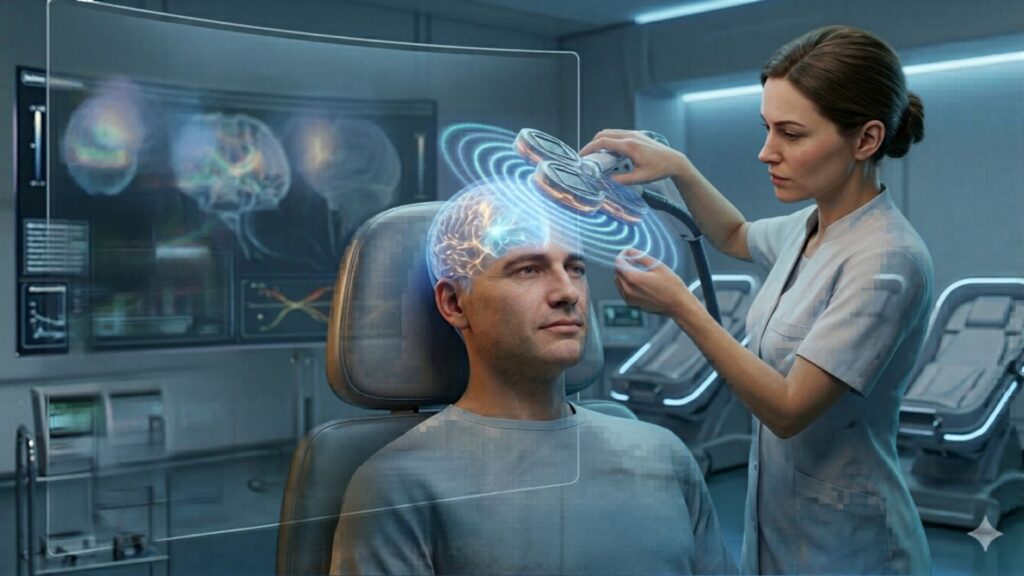
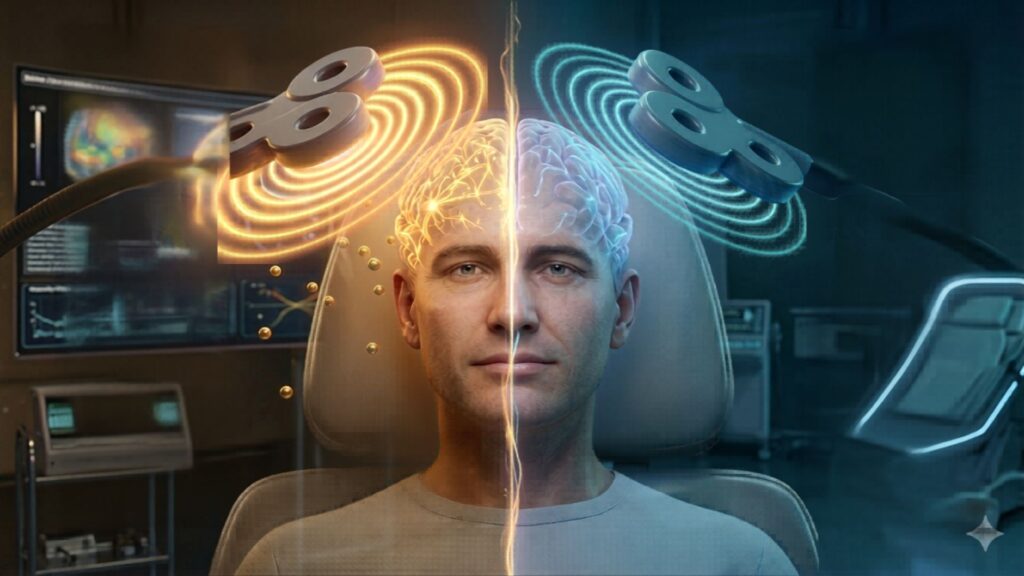
TMS uses a focused magnetic field to stimulate nerve cells in the brain. These pulses are similar in strength to those used in MRI machines and are directed at the outer layers of the brain—nothing gets implanted, injected, or opened. The treatment is non-invasive, which means it doesn’t go inside your body, and no anesthesia is required. Patients are fully awake, alert, and often talking or relaxing during their sessions.
Because of how targeted and gentle it is, TMS avoids many of the side effects associated with medications, like weight gain, sexual dysfunction, sleep problems, or emotional blunting. And unlike Electroconvulsive Therapy (ECT), it doesn’t trigger seizures, cause memory loss, or require recovery time after treatment.
How Rare Are Serious Side Effects?
The most serious possible risk with TMS is a seizure—but this is extremely rare. In fact, the risk of having a seizure during TMS is less than 0.1% per session, according to large safety reviews. That’s fewer than 1 in 1,000 sessions, and it’s even lower in modern protocols that use up-to-date screening and dosing methods.
To give some perspective: that risk is actually lower than the seizure risk from flashing lights in video games or at concerts, yet clinics still screen out anyone with a personal or family history of epilepsy, just to be extra safe.
Other rare adverse events might include:
- Temporary hearing discomfort (if ear protection isn’t used)
- Mild twitching or facial movement during stimulation
- Headache or scalp discomfort (usually mild and short-lived)
These are not considered dangerous and are almost always manageable or preventable by adjusting the treatment settings.
TMS and Daily Life
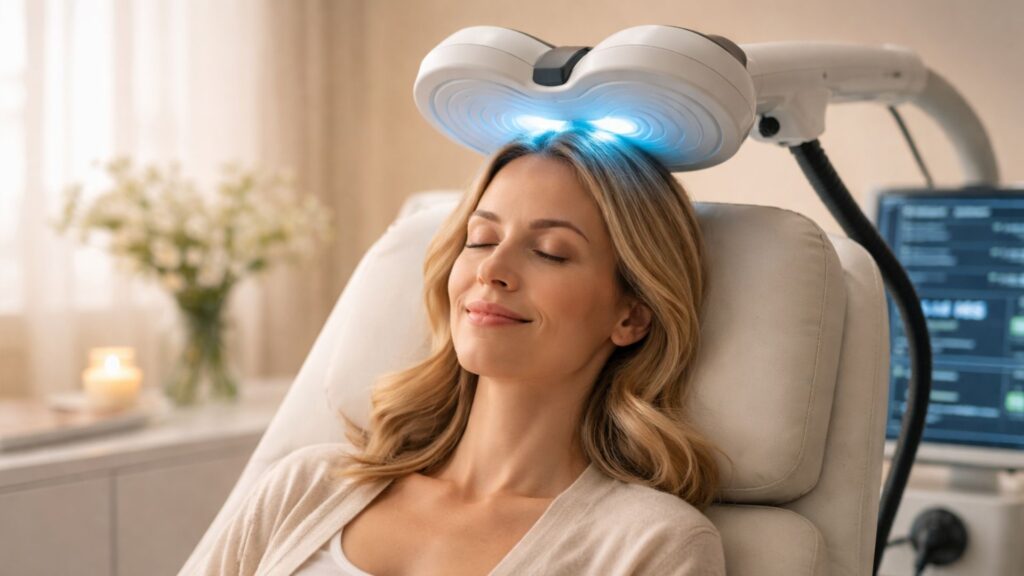
One of the reasons TMS has grown in popularity is because it doesn’t interfere with normal life. After a session, patients can drive themselves home, go to work, or do whatever they had planned. There’s no downtime, and no mental fog afterward like some people experience from medication.
Most people describe the sensation during treatment as a tapping or clicking on their scalp, which may feel a little odd at first but quickly becomes familiar. For many, the sound of the machine becomes part of the routine—like background noise.
Who Shouldn’t Do TMS?
Even though TMS is safe for most people, careful screening is done before starting treatment. People with metal implants in or near the head (such as cochlear implants, deep brain stimulators, or metal clips) are typically excluded for safety reasons. People with a history of epilepsy or seizures are also excluded, even though the actual risk during treatment is so low.
This is just part of the careful planning that helps make TMS one of the most reliable and low-risk treatments in modern psychiatry.
Why the Safety Profile Matters
Treatments like antidepressants can take weeks or months to start working, and many come with unpleasant side effects that make people stop taking them. TMS offers a different path—one that’s based on precision and brain science, not chemical changes throughout the whole body. For patients who have tried multiple medications without success, or who can’t tolerate their side effects, the safety of TMS is often the reason they give it a try.
And for doctors and mental health professionals, it’s the low risk of serious complications that makes it such a great option to offer.
Sources
- Rossi, S., Hallett, M., Rossini, P. M., & Pascual-Leone, A. (2009). Safety, ethical considerations, and application guidelines for the use of transcranial magnetic stimulation in clinical practice and research. Clinical Neurophysiology, 120(12), 2008–2039. https://doi.org/10.1016/j.clinph.2009.08.016
- McClintock, S. M., Reti, I. M., Carpenter, L. L., et al. (2018). Consensus recommendations for the clinical application of repetitive transcranial magnetic stimulation (rTMS) in the treatment of depression. Journal of Clinical Psychiatry, 79(1), 16cs10905. https://doi.org/10.4088/JCP.16cs10905
- Wassermann, E. M. (1998). Risk and safety of repetitive transcranial magnetic stimulation: Report and suggested guidelines from the International Workshop on the Safety of Repetitive TMS. Electroencephalography and Clinical Neurophysiology, 108(1), 1–16. https://doi.org/10.1016/S0168-5597(97)00096-8
- Zangen, A., & George, M. S. (2020). A new era of personalized psychiatry: Transcranial magnetic stimulation. The American Journal of Psychiatry, 177(5), 384–393. https://doi.org/10.1176/appi.ajp.2019.19060632