
Relief from Anxiety with TMS Therapy | Palmier TMS Services
Anxiety is one of the most common mental health challenges today, affecting millions of people worldwide. In the United States alone, more than 30% of adults will experience an anxiety disorder at some point in their lives. While occasional stress and nervousness are part of life, anxiety disorders create persistent worry, racing thoughts, and physical symptoms that can interfere with work, relationships, and overall well-being.
Traditional treatments such as medication and talk therapy provide relief for many individuals. However, these approaches do not always work for everyone, and some patients continue to struggle with symptoms despite their best efforts. For those seeking alternatives, Transcranial Magnetic Stimulation (TMS) therapy offers a new path toward healing.
TMS is a safe, non-invasive treatment that uses magnetic pulses to stimulate specific areas of the brain involved in regulating mood and anxiety. Unlike medication, TMS does not involve systemic side effects, and unlike therapy, it directly targets the brain’s activity patterns. Many patients report noticeable reductions in anxiety and improvements in daily functioning.
At Palmier TMS Services, we specialize in delivering personalized, effective TMS therapy across Missouri. Trusted by patients, we are committed to restoring peace of mind and improving quality of life.
Understanding Anxiety Disorders
Anxiety is the body’s natural response to stress, but when it becomes chronic, it can develop into a serious mental health condition. Persistent anxiety often leads to overwhelming worry, restlessness, disrupted sleep, and even physical pain. Left untreated, these symptoms can greatly interfere with daily activities, work, and relationships.
Several types of anxiety disorders are commonly diagnosed. Generalized Anxiety Disorder (GAD) involves excessive worry about everyday situations, while panic disorder is marked by sudden, intense episodes of fear. Social anxiety disorder causes overwhelming fear in social settings, while phobias trigger extreme reactions to specific objects or situations. Obsessive-Compulsive Disorder (OCD) brings intrusive thoughts and repetitive behaviors, and Post-Traumatic Stress Disorder (PTSD) develops after traumatic experiences.
Common symptoms of these conditions include rapid heartbeat, muscle tension, fatigue, irritability, and difficulty concentrating. When anxiety becomes constant and disruptive, seeking professional help is essential to restore balance and well-being.
Traditional Treatments for Anxiety
The most common treatments for anxiety include therapy, medication, and lifestyle changes. Cognitive Behavioral Therapy (CBT) is one of the most effective therapeutic approaches, helping patients identify and reframe negative thought patterns that fuel anxiety. Medications such as selective serotonin reuptake inhibitors (SSRIs), serotonin-norepinephrine reuptake inhibitors (SNRIs), and benzodiazepines can regulate brain chemistry to reduce symptoms. In addition, lifestyle practices like regular exercise, mindfulness meditation, balanced nutrition, and adequate sleep play a supportive role in managing anxiety and promoting overall well-being.
While these treatments provide relief for many, they are not effective for everyone. Some individuals experience only partial improvement, while others struggle with medication side effects that interfere with daily life. This treatment gap underscores the need for alternative therapies. Transcranial Magnetic Stimulation (TMS) has emerged as a promising, non-invasive option for patients who have not found success with traditional methods.
What is TMS Therapy?
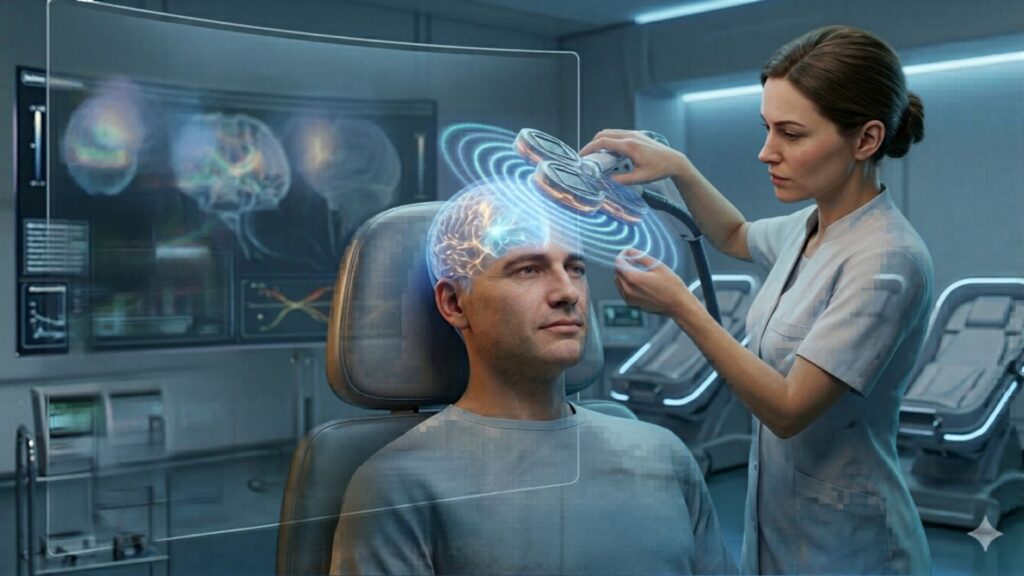
Transcranial Magnetic Stimulation (TMS) is an advanced, FDA-approved therapy that offers hope for individuals struggling with anxiety and depression. This treatment uses gentle magnetic pulses to stimulate nerve cells in specific brain regions responsible for regulating mood and anxiety. During a session, a specialized coil is placed on the scalp, delivering targeted pulses that activate underactive areas of the brain. Unlike medications, which affect the entire body and can cause unwanted side effects, TMS works directly on the brain’s circuits with precision.
What makes TMS unique is its safety, non-invasive nature, and minimal side effects. There is no need for anesthesia or recovery time, allowing patients to return to normal activities immediately after treatment. A typical course involves sessions lasting 20 to 40 minutes, five days a week, over four to six weeks. Many patients experience significant relief, reporting reduced anxiety and improved overall well-being.
TMS Therapy for Anxiety
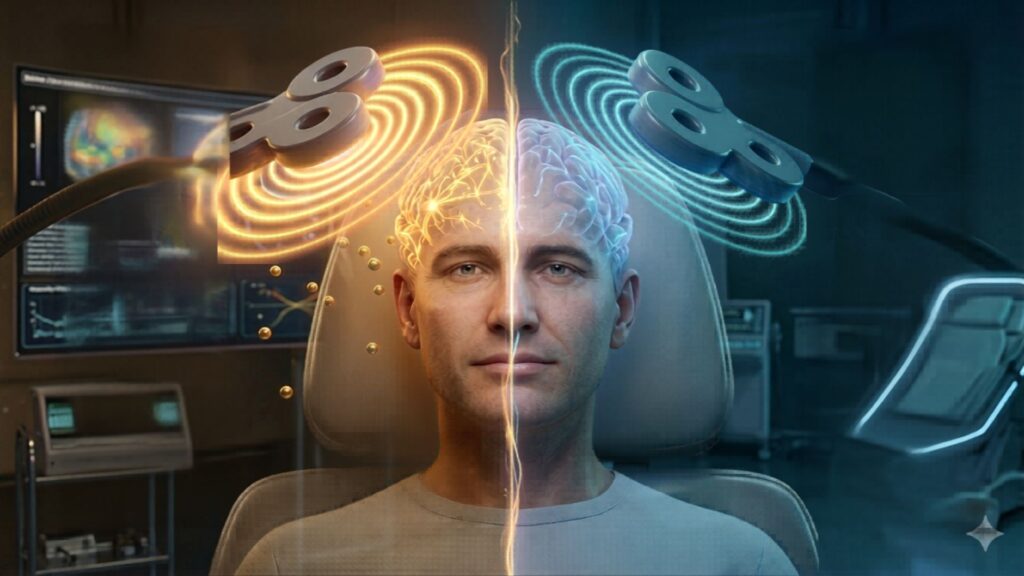
Although Transcranial Magnetic Stimulation (TMS) was first approved for treating depression, growing research demonstrates its effectiveness for anxiety as well. Anxiety disorders are linked to overactivity in brain circuits that regulate fear and worry, particularly in the prefrontal cortex. By gently stimulating these areas, TMS helps restore balance and reduce excessive activity, leading to calmer, more stable thought patterns.
Clinical studies and patient experiences support the use of TMS for several types of anxiety disorders. Individuals with Generalized Anxiety Disorder (GAD) often report reduced worry and improved ability to manage daily stress. Those with panic disorder frequently experience fewer panic attacks, with episodes becoming less intense over time. Patients who live with both depression and anxiety often notice significant improvements in both conditions, making TMS a valuable dual-treatment approach.
For many, TMS represents not just symptom relief, but a chance to regain confidence, peace of mind, and control over their lives.
The Palmier TMS Experience
At Palmier TMS Services, we believe that every patient deserves compassionate, individualized care. Our treatment process is designed to ensure comfort, precision, and effectiveness from start to finish. It begins with a thorough consultation and evaluation, where our experienced team learns about each patient’s history, symptoms, and treatment goals. This helps us create a plan tailored to their unique needs.
The next step is advanced brain mapping, a process that identifies the specific areas of the brain involved in mood and anxiety regulation. By pinpointing these regions, we can deliver highly targeted treatment for the best possible results.
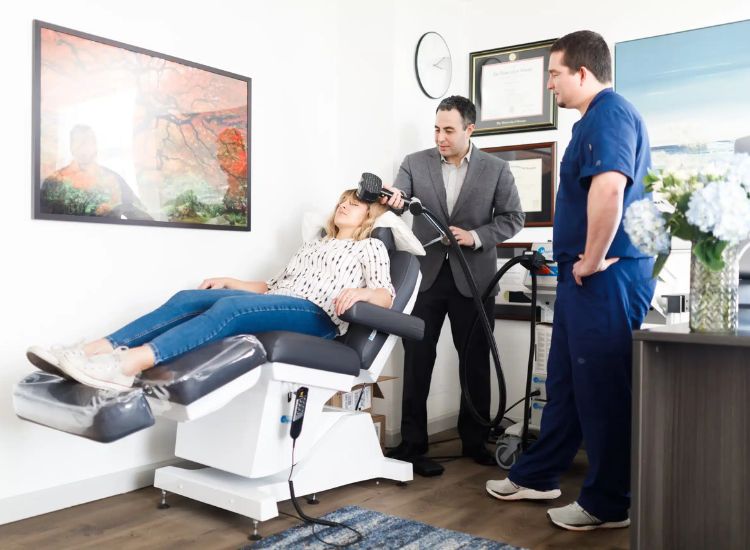
During TMS therapy, patients relax in a comfortable chair while a specialized coil is placed on the scalp. Sessions are conducted in-office, are non-invasive, and require no anesthesia or recovery time. Patients remain awake and alert throughout the process, often reading, listening to music, or simply resting.
Treatment typically involves multiple sessions over several weeks, with progress carefully monitored along the way. Adjustments are made when necessary to maximize effectiveness. Many of our patients report steady, lasting improvement, experiencing reduced anxiety and a renewed sense of peace and control—even after their treatment course is complete.
Why Choose Palmier TMS Services
Patients choose Palmier TMS Services for our expertise, advanced technology, and compassionate, patient-centered care. Our clinicians specialize in TMS therapy and create personalized treatment plans tailored to each individual’s unique needs and goals. From the moment patients arrive, they are welcomed into a supportive, comfortable environment designed to reduce anxiety and promote relaxation.
We prioritize accessibility and convenience, offering multiple clinic locations across Missouri, including Chesterfield, Richmond Heights, and Osage Beach. This ensures that high-quality TMS therapy is within reach for more patients, making it easier to commit to a full course of treatment.
At Palmier TMS Services, every aspect of care is guided by professionalism, experience, and a genuine commitment to improving mental health. Our combination of cutting-edge technology, individualized treatment, and compassionate support has earned the trust of patients seeking relief from anxiety and depression. With Palmier, patients can feel confident they are in expert hands and on the path to lasting wellness.
Long-Term Benefits
TMS therapy provides more than just short-term relief—it promotes lasting improvements in mental health and overall well-being. By gently stimulating targeted areas of the brain, TMS helps reshape neural activity, reducing overactive circuits associated with anxiety and depression. As a result, many patients notice meaningful improvements in daily life, including better sleep, increased focus, higher energy levels, and a calmer, more balanced mood.
The benefits of TMS often continue well beyond the treatment period. When combined with healthy lifestyle practices such as regular exercise, mindfulness, balanced nutrition, and adequate sleep, the positive effects can last for months or even years. Patients frequently report feeling more resilient in managing stress, more confident in social and work situations, and better equipped to maintain emotional stability.
With TMS therapy, individuals gain not only symptom relief but also a foundation for long-term mental wellness, helping them lead fuller, more productive, and more satisfying lives.
Frequently Asked Questions (FAQs)
1. Is TMS therapy safe for anxiety?
Yes. TMS therapy is FDA-approved, non-invasive, and generally well-tolerated. Most patients experience only mild, temporary side effects, such as slight scalp discomfort or tingling during treatment. There is no need for anesthesia, and patients can resume normal activities immediately after each session.
2. How soon will I see results?
Results vary by individual. Some patients notice improvement in anxiety symptoms within two weeks, while others may require several weeks of consistent TMS sessions. Progress is gradual, and continued treatment often leads to more significant and lasting relief.
3. Do I need to take medication along with TMS?
Not necessarily. Some patients use TMS alongside medication for enhanced results, while others benefit from TMS as a stand-alone treatment. Your clinician will assess your individual needs and determine the best approach to safely and effectively manage your anxiety.
4. How long do benefits last?
Many patients experience long-lasting relief from anxiety after completing TMS therapy. The effects can continue for months or even years, especially when combined with healthy lifestyle habits. Occasionally, booster sessions may be recommended to maintain optimal results and support ongoing mental wellness.
5. Does insurance cover TMS therapy?
Many insurance plans currently cover TMS therapy for depression, and coverage for anxiety is expanding. At Palmier TMS Services, our team assists patients in verifying their insurance benefits, helping to ensure a smooth and affordable treatment process. Coverage varies by provider and plan.
6. Does TMS hurt?
TMS therapy is generally painless. Most patients describe the sensation as a gentle tapping or tingling on the scalp, with only minimal discomfort. There is no need for anesthesia, and patients remain awake and alert throughout each session, resuming normal activities immediately afterward.
Conclusion
Living with anxiety can feel overwhelming, affecting every aspect of daily life—from work and relationships to sleep and overall well-being. The constant worry, restlessness, and physical tension can make even simple tasks exhausting. However, anxiety does not have to define your life.
Transcranial Magnetic Stimulation (TMS) therapy at Palmier TMS Services offers a safe, non-invasive, and clinically proven solution for individuals seeking lasting relief. By targeting specific areas of the brain responsible for mood and anxiety regulation, TMS helps calm overactive circuits, reduce anxious thoughts, and restore emotional balance. Patients remain awake and comfortable during sessions, with minimal side effects and no downtime, making it a convenient option for busy schedules.
Many patients experience gradual, meaningful improvement, leading to better sleep, increased focus, higher energy, and a renewed sense of control. With TMS, individuals can reclaim their confidence, enjoy peace of mind, and move forward with a fuller, more balanced life.
If you or someone you love is struggling with anxiety, take the first step toward recovery today. Contact Palmier TMS Services to learn more about TMS therapy and schedule your consultation.
📞 Contact Information
Phone/Text: +1 (314) 697-4867
Website: https://palmiertms.com
📍 Clinic Locations
Chesterfield, MO
112 Chesterfield Commons East Rd, Chesterfield, MO 63005
Richmond Heights, MO
1505 S Big Bend Blvd, Richmond Heights, MO 63117
Osage Beach (Lake of the Ozarks), MO
5721 Osage Beach Parkway, Suite #300, Osage Beach, MO 65065