
How TMS Therapy Helps With OCD: Successes, Studies, and Real-World Stories

Obsessive-Compulsive Disorder (OCD) is a chronic mental health condition affecting millions of people worldwide, often causing persistent distress and significantly disrupting daily life. Individuals with OCD experience intrusive, unwanted thoughts—known as obsessions—that lead to overwhelming anxiety. In response, they may engage in repetitive behaviors or mental rituals, called compulsions, in an attempt to reduce this anxiety. While traditional treatments such as medication, including selective serotonin reuptake inhibitors (SSRIs), and cognitive-behavioral therapy (CBT) are effective for many, they do not always provide complete relief. Some individuals continue to experience significant symptoms despite these interventions.
For those who struggle with treatment-resistant OCD, Transcranial Magnetic Stimulation (TMS) therapy has emerged as a promising alternative. TMS is an FDA-approved, non-invasive procedure that uses magnetic pulses to stimulate targeted areas of the brain involved in obsessive thoughts and compulsive behaviors. Research over the past decade has demonstrated its safety and effectiveness, and many patients report meaningful reductions in symptoms and improvements in daily functioning. In this article, we will explore how TMS works, review the scientific evidence, share patient success stories, compare it to conventional treatments, and answer common questions. By the end, readers will gain a comprehensive understanding of how TMS can provide new hope for those living with OCD.
Understanding OCD and Its Challenges
Obsessive-Compulsive Disorder (OCD) is a chronic mental health condition characterized by persistent, unwanted thoughts, urges, or images, known as obsessions, which cause significant anxiety or distress. To alleviate this discomfort, individuals engage in repetitive behaviors or mental acts called compulsions, such as excessive cleaning, checking, counting, or organizing. These compulsions are typically performed according to rigid rules or in a specific sequence, providing only temporary relief. OCD can interfere with daily life, work, and relationships, and its severity varies among individuals. While the exact cause is unclear, treatment options like cognitive-behavioral therapy and medication can help manage symptoms effectively.
- Obsessions: These are unwanted, intrusive thoughts, images, or urges that cause significant anxiety. Common obsessions include fears of contamination, harming others, or needing things to be perfectly symmetrical.
- Compulsions: These are repetitive behaviors or mental rituals performed to relieve the distress caused by obsessions. Examples include excessive hand washing, repeatedly checking locks, counting, or silently repeating words or phrases.
The Emotional Toll of OCD
OCD can have a profound impact on mental health and quality of life. Individuals may experience chronic anxiety, depression, or shame. Relationships, work, and social interactions can become strained due to the time-consuming nature of compulsive behaviors. Many patients feel trapped in a cycle they cannot break, often leading to social withdrawal and a decreased sense of self-worth.
Prevalence and Diagnosis
OCD affects approximately 2–3% of the global population. Despite its prevalence, many individuals go years without an accurate diagnosis. Research shows that the average time between symptom onset and diagnosis can exceed 10 years. Delayed treatment increases the risk of long-term impairment and makes finding effective interventions even more critical.
Traditional Treatment Approaches
The standard approach to treating Obsessive-Compulsive Disorder (OCD) usually involves a combination of medication and therapy. Medications, often selective serotonin reuptake inhibitors (SSRIs), help regulate brain chemicals that influence mood and anxiety, reducing the intensity of obsessions and compulsions. Therapy, particularly cognitive-behavioral therapy (CBT) with exposure and response prevention (ERP), teaches individuals to confront distressing thoughts without performing compulsive behaviors, gradually decreasing anxiety. Combining these treatments often provides the most effective results, helping individuals manage symptoms, improve daily functioning, and enhance overall quality of life. Early intervention and consistency are key to successful outcomes.
Medication
Selective serotonin reuptake inhibitors (SSRIs), including fluoxetine, sertraline, and fluvoxamine, are commonly prescribed to manage Obsessive-Compulsive Disorder (OCD). These medications work by increasing serotonin levels in the brain, which can help reduce the intensity of obsessions and compulsions. In treatment-resistant cases, antipsychotic medications may be added to enhance symptom relief. While SSRIs and adjunctive treatments can be effective for many patients, they are not universally successful, and some individuals may experience side effects such as gastrointestinal disturbances, sleep problems, or sexual dysfunction. Careful monitoring and dosage adjustments are often necessary to balance benefits and tolerability.
Cognitive Behavioral Therapy (CBT) & Exposure and Response Prevention (ERP)
CBT is considered the gold standard for therapy. Specifically, ERP helps patients confront feared situations without performing compulsive behaviors. Over time, this can reduce anxiety and obsessive thoughts. However, therapy requires significant commitment, and up to 40–60% of patients may not achieve full remission with these approaches alone.
This gap in effectiveness has led researchers and clinicians to explore alternative treatments like TMS therapy.
What is TMS Therapy?
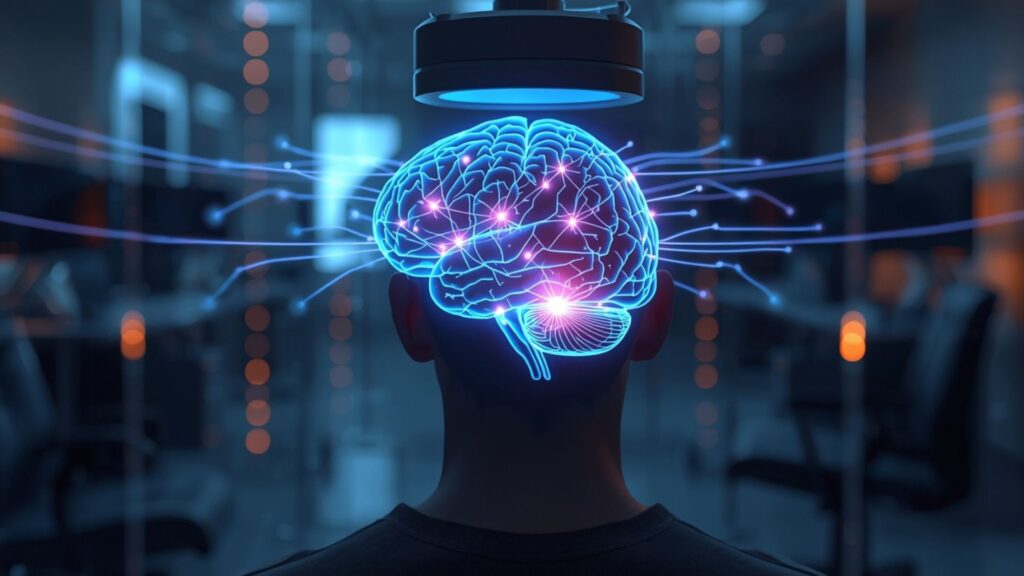
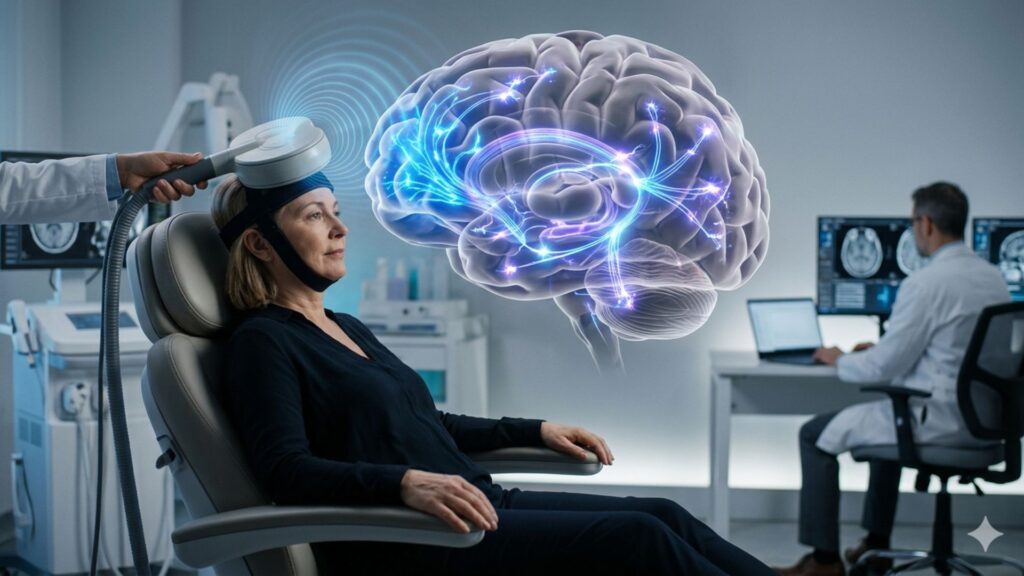
Transcranial Magnetic Stimulation (TMS) is an FDA-approved, non-invasive treatment that delivers magnetic pulses to stimulate nerve cells in targeted areas of the brain. In the case of Obsessive-Compulsive Disorder (OCD), TMS specifically targets brain circuits involved in obsessive thoughts and compulsive behaviors. By modulating the activity of these neural pathways, TMS can help reduce the intensity of intrusive thoughts and the urge to perform repetitive behaviors. This approach provides a promising alternative for individuals who have not responded fully to traditional treatments, offering a safe, effective, and evidence-based method to regain control over daily functioning and improve overall quality of life.
How TMS Works
- A magnetic coil is placed over the scalp.
- Short bursts of magnetic energy pass through the skull, activating targeted nerve cells.
- Over time, repeated sessions can “retrain” overactive brain circuits and help regulate mood and behavior.
Unlike medications, TMS doesn’t circulate through the body, reducing systemic side effects. Unlike electroconvulsive therapy (ECT), it doesn’t require anesthesia, and patients remain awake, alert, and able to drive themselves home after each session.
Types of TMS
- Standard TMS: Targets superficial cortical areas, commonly used for depression.
- Deep TMS (dTMS): Uses an H-coil to reach deeper brain regions, including the anterior cingulate cortex, which is critical in OCD. Deep TMS is the only FDA-cleared TMS protocol specifically for OCD.
Scientific Evidence Supporting TMS for OCD
Research over the past decade has provided compelling evidence supporting transcranial magnetic stimulation (TMS) as a viable treatment for Obsessive-Compulsive Disorder (OCD). TMS is a non-invasive procedure that uses magnetic fields to stimulate specific areas of the brain involved in mood regulation and compulsive behaviors. Studies have shown that TMS can reduce the severity of obsessions and compulsions, particularly in individuals who have not responded adequately to traditional treatments like medication or cognitive-behavioral therapy. While further research is ongoing to optimize protocols and long-term effectiveness, TMS is increasingly recognized as a promising option for managing treatment-resistant OCD.
FDA Approval
In 2018, the FDA approved deep TMS for OCD, based on studies demonstrating its ability to reduce symptoms in patients who had not responded to traditional treatments.
Key Research Findings
- Up to 38% of patients report significant symptom reduction after a full course of deep TMS.
- Many patients maintain improvements for months post-treatment, particularly when combined with ongoing therapy or medication.
- Side effects are generally mild and transient, such as scalp discomfort or headache.
Notable Studies
- Carmi et al., 2019: Demonstrated significant reductions in Yale-Brown Obsessive Compulsive Scale (Y-BOCS) scores after deep TMS.
- Roth et al., 2014: Showed meaningful symptom relief in treatment-resistant patients using deep TMS targeting the medial prefrontal cortex.
- O’Reardon et al., 2020: Reported that benefits from deep TMS persisted for several months, supporting its durability.
These studies collectively highlight TMS as an evidence-based option for individuals who have struggled with traditional OCD treatments.
Real-World Success Stories
At Palmier TMS, countless patients have experienced life-changing results through personalized, non-invasive brain stimulation treatments. By targeting specific areas of the brain linked to Obsessive-Compulsive Disorder (OCD) and other mental health conditions, Palmier TMS helps reduce intrusive thoughts and compulsive behaviors. Many patients report significant improvements in daily functioning, mood, and overall quality of life, often after treatments that traditional therapies or medications could not fully address. With a focus on safety, effectiveness, and compassionate care, Palmier TMS continues to transform the lives of individuals seeking lasting relief from the challenges of OCD and related disorders.
Story 1:
“I had tried medications, therapy, and even intensive ERP programs, but my OCD still controlled my life. After TMS, my compulsions decreased gradually, and I felt more in control. For the first time in years, I could enjoy a normal day without rituals.”
Story 2:
“My OCD kept me awake at night, checking doors and windows repeatedly. After a month of TMS, I finally slept through the night. My family noticed I was calmer and more present.”
Story 3:
“Even with therapy and medications, my intrusive thoughts dominated every part of my life. TMS helped me regain focus and confidence. Now, I can engage in work and social activities without constant anxiety.”
These stories highlight the transformative potential of TMS therapy for those who felt stuck in chronic OCD cycles.
Comparing TMS With Other Treatments
TMS vs Medication
- Medications act systemically and can have side effects, whereas TMS targets specific brain regions.
- Some patients respond better to TMS when medications alone haven’t worked.
TMS vs CBT/ERP
- CBT requires active participation and can be emotionally challenging.
- TMS complements therapy by reducing symptom severity, making it easier to engage in CBT.
Combination Approaches
Many clinicians recommend combining Transcranial Magnetic Stimulation (TMS) with medication or therapy to achieve the best outcomes for individuals with Obsessive-Compulsive Disorder (OCD). While TMS directly targets brain regions associated with obsessions and compulsions, reducing the intensity and frequency of symptoms, medications like SSRIs help regulate mood and anxiety. This symptom reduction enables patients to engage more effectively in cognitive-behavioral therapy (CBT) or other therapeutic approaches, particularly exposure and response prevention (ERP). By integrating these treatments, individuals often experience faster, more sustainable improvements, enhanced daily functioning, and a greater sense of control over OCD, leading to meaningful, lasting recovery.
Benefits and Considerations of TMS Therapy
Benefits:
- Non-invasive: No surgery or anesthesia required.
- Minimal side effects: Mild scalp discomfort or headache that usually resolves quickly.
- Customizable: Treatment parameters can be tailored to individual brain activity.
- Evidence-based: Supported by peer-reviewed research and FDA clearance.
- Improved quality of life: Reduced compulsions, anxiety, and depression.
- Complementary: Works alongside therapy or medication for comprehensive care.
Considerations:
- Multiple sessions are required (typically 30–40 over 6–8 weeks).
- Results may vary; some patients may require maintenance sessions.
- Not suitable for individuals with certain metal implants or neurological conditions.
FAQs About TMS Therapy for OCD
Q: How many sessions are needed?
A typical course includes 5 sessions per week for 6–8 weeks, totaling 30–40 sessions.
Q: Is TMS painful?
Most patients describe a tapping sensation on the scalp. Discomfort usually decreases after the first few sessions.
Q: Will I need medication along with TMS?
Some patients use TMS alone, while others combine it with medication or therapy.
Q: How soon will I see results?
Some notice improvement within 2–3 weeks, while others experience gradual progress over the full course.
Q: Is TMS covered by insurance?
Many insurance providers cover TMS for OCD if traditional treatments have been tried and failed.
Q: Are results permanent?
Results can be long-lasting, though maintenance sessions may help sustain improvement.
Q: Are there any side effects?
Most common side effects are mild and temporary, such as scalp discomfort and slight headache.
Conclusion
Transcranial Magnetic Stimulation (TMS) therapy offers new hope for individuals struggling with Obsessive-Compulsive Disorder (OCD), particularly for those who have not found lasting relief through traditional medication or therapy. TMS is a non-invasive procedure that uses magnetic fields to stimulate targeted areas of the brain associated with mood regulation and compulsive behaviors. Over the past decade, research has provided strong evidence supporting its effectiveness, and it has received FDA approval as a safe and viable treatment option. Countless patients have reported significant improvements, experiencing reduced obsessions and compulsions, enhanced daily functioning, and an overall better quality of life.
OCD can feel isolating, overwhelming, and relentless, but help is available. TMS offers a promising pathway to break free from the cycle of intrusive thoughts and repetitive behaviors. With its growing success and scientific backing, TMS empowers individuals to regain control, restore balance, and live life more fully.
📞 Phone: 314-697-4867
🌐 Website: palmiertms.com
📍 Locations:
- Chesterfield: 112 Chesterfield Commons East Rd., Chesterfield, MO 63005
- Richmond Heights: 1505 S Big Bend Blvd., Richmond Heights, MO 63117
- Osage Beach: 5721 Osage Beach Parkway, Suite 300, Osage Beach, MO 65065
Take the first step toward a better quality of life — schedule a consultation today.