
Recognizing the Signs of Treatment-Resistant Depression—and What You Can Do About It

Depression impacts over 280 million people worldwide, according to the World Health Organization. While many find relief through a combination of therapy, medication, and lifestyle changes, some continue to struggle despite trying multiple treatment options. This condition is known as Treatment-Resistant Depression (TRD), a form of major depressive disorder that doesn’t respond to standard treatments.
TRD can be frustrating and disheartening. Common signs include persistent sadness, lack of energy, sleep disturbances, and feelings of hopelessness, even after trying several antidepressants and therapy approaches. For some, TRD may also be linked to underlying medical conditions, genetic factors, or biochemical imbalances in the brain.
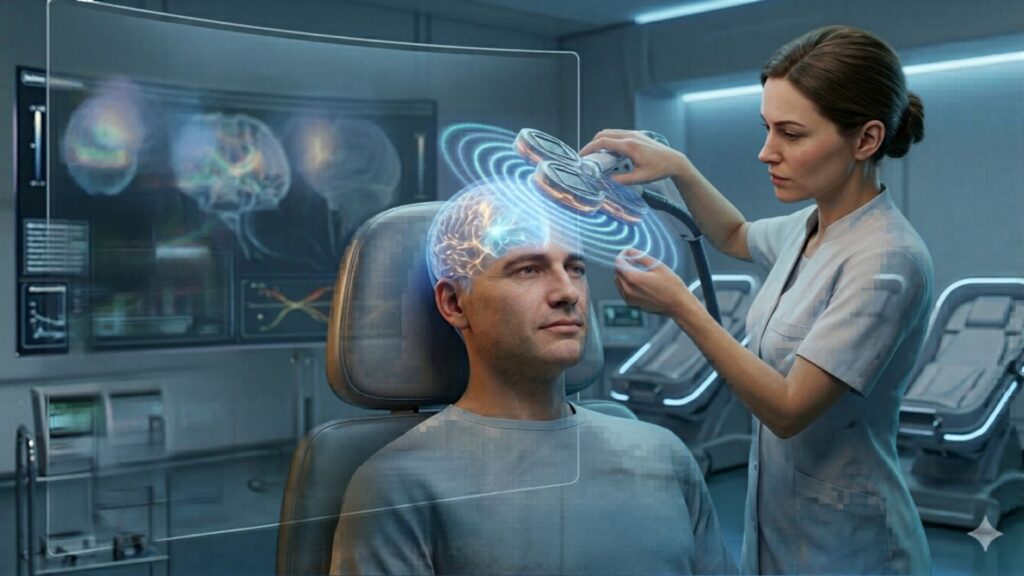
Diagnosing TRD typically involves a comprehensive evaluation by a mental health professional, who will review your treatment history and assess your symptoms. The good news is that emerging treatments offer hope. One promising option is Transcranial Magnetic Stimulation (TMS), a non-invasive procedure that uses magnetic fields to stimulate specific areas of the brain associated with mood regulation.
Understanding TRD and exploring alternative treatments like TMS can empower you to make informed decisions about your mental health. If you suspect you may have TRD, don’t give up—help is available, and new solutions are on the horizon.
What Is Treatment-Resistant Depression (TRD)?
Treatment-resistant depression (TRD) is a form of major depressive disorder (MDD) that does not respond adequately to traditional treatments like antidepressant medications or psychotherapy. Although there is no universally agreed-upon definition, TRD is typically diagnosed when a patient has tried at least two different antidepressants—each at the appropriate dose and duration—without experiencing significant relief from symptoms.
Living with TRD can be especially challenging. Patients may continue to feel persistent sadness, fatigue, low motivation, sleep disturbances, and a lack of interest in daily activities despite undergoing treatment. These ongoing symptoms can interfere with work, relationships, and overall quality of life.
There are several possible reasons why depression becomes treatment-resistant. These can include misdiagnosis, co-occurring mental health or medical conditions, medication side effects, or biological differences in how individuals process treatment. Additionally, external factors such as chronic stress or trauma can contribute to treatment resistance.
The diagnosis of TRD requires a comprehensive evaluation by a mental health professional. Understanding a person’s medical history, treatment attempts, and symptom patterns is essential in guiding next steps. Fortunately, newer and alternative treatments—such as Transcranial Magnetic Stimulation (TMS), ketamine therapy, or combination strategies—offer hope for individuals struggling with TRD. Persistent symptoms do not mean you are out of options.
How Common Is TRD?
Studies estimate that up to 30% of people with depression may develop treatment-resistant depression. This means millions are left searching for more effective, innovative solutions.
Recognizing the Signs of Treatment-Resistant Depression
While TRD shares many of the same symptoms as typical depression, the key difference is in how it responds to treatment. If you’ve been struggling despite trying various treatment plans, the following signs may indicate TRD:
1. Little to No Improvement After Multiple Treatments
You’ve tried more than one antidepressant at the appropriate dose and duration—with minimal or no relief.
2. Persistent Feelings of Hopelessness
Even when undergoing therapy and taking medications, you still feel overwhelmed by hopelessness or despair.
3. Sleep and Appetite Changes Continue
Changes in sleep patterns (insomnia or hypersomnia) and appetite disturbances persist despite intervention.
4. Difficulty Concentrating or Making Decisions
Cognitive symptoms, like trouble focusing or making everyday decisions, remain constant.
5. Suicidal Thoughts
One of the most serious symptoms—if suicidal ideation persists despite treatment, seek immediate help.
6. Chronic Fatigue and Loss of Motivation
You feel constantly drained or unmotivated, regardless of how much rest you get or positive thinking techniques you try.
Possible Causes of TRD
There’s no single cause of treatment-resistant depression (TRD), but several factors can contribute to its development. Understanding these potential influences is key to finding more effective and personalized treatment strategies.
One major factor is biological differences. Some individuals may have unique brain chemistry or structural differences that affect how their bodies respond to antidepressants. Imbalances in neurotransmitters like serotonin, dopamine, or glutamate can make standard medications less effective.
Genetics also play a role. A family history of depression or poor response to medication may increase the risk of TRD. Certain genetic variations can impact how medications are metabolized, reducing their effectiveness.
Co-occurring mental health conditions, such as anxiety disorders, bipolar disorder, or PTSD, can complicate the treatment of depression and make it more resistant. Likewise, underlying medical conditions—including thyroid disorders, chronic pain, or vitamin deficiencies—can interfere with depression recovery.
Psychosocial factors such as ongoing stress, trauma, financial hardship, or lack of social support may also contribute to treatment resistance. These external stressors can make it harder for individuals to respond to therapy or medication.
Additionally, incorrect diagnosis, inconsistent medication use, or unsuitable therapy types can hinder progress. Identifying and addressing these contributing factors is essential to developing an effective treatment plan for TRD.
- Incorrect diagnosis (e.g., bipolar disorder misdiagnosed as MDD)
- Biological differences in brain structure or function
- Genetic predispositions
- Comorbid conditions (e.g., anxiety, PTSD, substance use disorder)
- Poor medication absorption or interaction issues
- Stress and trauma history
- Inadequate dosage or treatment duration
Diagnosing Treatment-Resistant Depression
A diagnosis of treatment-resistant depression (TRD) is not made lightly. It involves a thorough and comprehensive evaluation by a qualified mental health professional. Because TRD indicates that standard treatments—such as at least two different antidepressants taken at adequate doses and durations—have failed to bring significant relief, careful assessment is essential to rule out other contributing factors.
Your provider may begin by reviewing your full medical and psychiatric history. This includes documenting previous treatments, dosages, duration of use, and any side effects experienced. They may also assess whether medications were taken consistently and whether psychotherapy approaches were appropriate and followed through.
Additionally, your provider may screen for co-occurring conditions such as anxiety disorders, bipolar disorder, PTSD, substance use disorders, or medical issues like thyroid dysfunction or vitamin deficiencies that could impact your response to treatment. A physical exam and lab tests may also be recommended to rule out physiological causes of depressive symptoms.
Mood and symptom rating scales, such as the PHQ-9 or Hamilton Depression Rating Scale, may be used to measure the severity of your depression and track changes over time.
This comprehensive process helps determine whether TRD is present and guides the next steps for more advanced or alternative treatment options tailored to your specific needs.
- Review your medication history and dosages
- Evaluate your psychotherapy experience
- Assess for co-occurring mental or physical health conditions
- Consider lab tests to rule out thyroid issues or vitamin deficiencies
- Use psychiatric assessment tools to track symptom severity
Traditional Treatment Options—and Why They Sometimes Fall Short
Traditional depression treatment may include:
- Antidepressant medications
- Cognitive Behavioral Therapy (CBT)
- Lifestyle modifications (exercise, diet, sleep hygiene)
For many, these interventions work. But for those with TRD, the brain’s chemistry may not respond as expected to conventional therapies, leading to ongoing emotional and physical distress.
Advanced and Alternative Treatments for TRD
Fortunately, ongoing research and innovation have led to more advanced and effective treatment options for individuals with treatment-resistant depression (TRD). When traditional antidepressants and therapy fall short, alternative approaches can offer new hope and healing.
Transcranial Magnetic Stimulation (TMS) is one of the most promising treatments. It’s a non-invasive procedure that uses magnetic pulses to stimulate areas of the brain involved in mood regulation. TMS is FDA-approved, generally well-tolerated, and has shown success in patients who haven’t responded to medications.
Another breakthrough is ketamine therapy, administered either through intravenous (IV) infusions or as esketamine (a nasal spray). Ketamine acts quickly—often within hours—and can provide relief for severe depression and suicidal thoughts. It works differently from traditional antidepressants, targeting glutamate, a key neurotransmitter in the brain.
Other evidence-based options include augmentation strategies, where mood stabilizers, antipsychotics, or thyroid hormones are added to existing antidepressant regimens. Electroconvulsive Therapy (ECT) may be considered for severe or life-threatening depression and has a strong track record of effectiveness, despite lingering stigma.
Lastly, emerging treatments like psychedelic-assisted therapy and deep brain stimulation (DBS) are under study and show promise for the future.
If you’re living with TRD, know that innovative and personalized options are available—you’re not alone.
1. Transcranial Magnetic Stimulation (TMS)
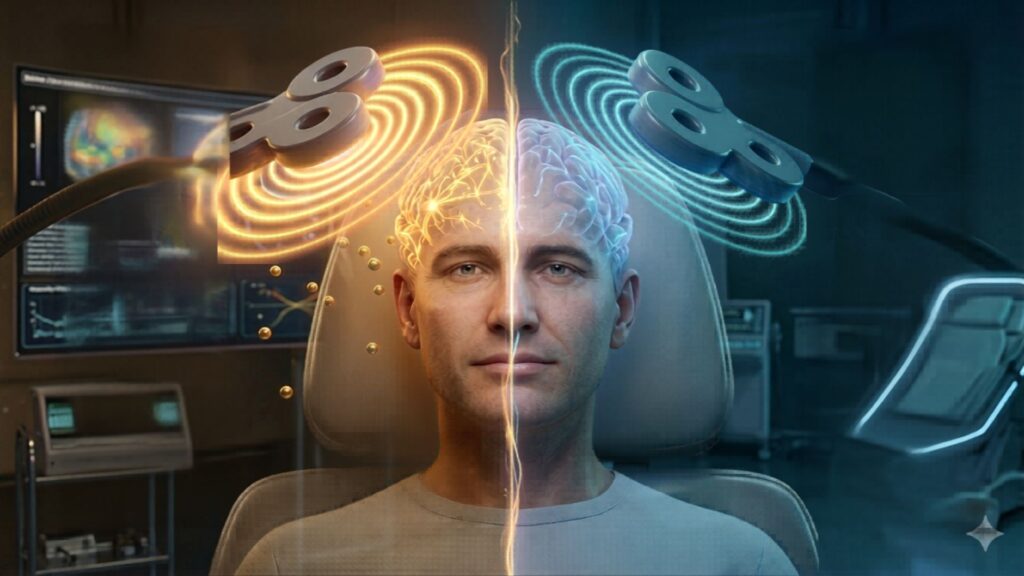
TMS is a non-invasive, FDA-approved therapy that uses magnetic fields to stimulate underactive areas of the brain responsible for mood regulation. It’s a safe, effective, and medication-free option for people who haven’t responded to traditional treatments.
Benefits of TMS:
- No systemic side effects like weight gain or sexual dysfunction
- Outpatient procedure—no anesthesia required
- Covered by most insurance providers
- High success rates for TRD patients
💡 At Palmier TMS, we specialize in delivering personalized TMS therapy in a welcoming and professional environment, helping you rediscover peace of mind.
2. Ketamine and Esketamine (Spravato)
These treatments target the brain’s glutamate system and have been shown to produce rapid antidepressant effects, sometimes within hours.
- Ketamine is often given via IV infusion.
- Spravato (nasal esketamine) is FDA-approved for TRD.
These therapies are usually administered in specialized clinics under medical supervision.
3. Electroconvulsive Therapy (ECT)
Although it carries some stigma, ECT can be life-saving for patients with severe or suicidal depression who have not found relief elsewhere. ECT uses controlled electrical currents to reset brain chemistry.
4. Vagus Nerve Stimulation (VNS)
VNS involves implanting a device that sends electrical impulses to the brain via the vagus nerve. This is generally reserved for chronic cases that have not responded to any other treatment.
Holistic and Supportive Approaches
While medical treatments are essential, complementary strategies can boost outcomes:
- Nutritional therapy: Addressing deficiencies (e.g., Vitamin D, Omega-3)
- Mindfulness and meditation
- Yoga and gentle movement
- Support groups for people with TRD
- Sleep and circadian rhythm optimization
What You Can Do If You Suspect You Have TRD
- Track your symptoms and treatment history—this helps your provider understand your journey.
- Get a second opinion—especially from a psychiatrist who specializes in TRD.
- Explore innovative treatments like TMS—which offer renewed hope and long-term results.
- Don’t give up—while it may feel discouraging, new options emerge each year.
FAQs About Treatment-Resistant Depression
Is TRD permanent?
No. While TRD can be persistent, many people eventually find relief through advanced treatments like TMS, ketamine therapy, or a revised treatment strategy.
Does TMS hurt?
No. Most patients describe it as a tapping sensation on the scalp. There’s no need for anesthesia, and you can resume normal activities afterward.
How long does it take to see results from TMS?
Some people notice improvement after a few sessions, while others take 4–6 weeks. TMS is typically administered 5 days a week for 6–8 weeks.
Is TRD the same as severe depression?
Not always. TRD refers to depression that doesn’t respond to treatment, regardless of severity. Some people with moderate symptoms may still experience TRD.
Can lifestyle changes cure TRD?
While exercise, sleep, and nutrition can help manage symptoms, TRD often requires more targeted medical intervention.
Conclusion
Summer is the season of outdoor adventures, travel, gardening, and sunshine. But for those dealing with chronic or acute back pain, the warmest months can be the most frustrating. Activities like hiking, swimming, or even relaxing at a barbecue become challenging when spinal discomfort limits your mobility and energy.
Fortunately, there’s hope—and it doesn’t involve surgery or long recovery periods. Spinal decompression therapy is a non-invasive chiropractic technique that’s helping thousands reclaim their summer fun. Designed to relieve pressure on spinal discs and nerves, this therapy is especially effective for conditions such as herniated discs, sciatica, spinal stenosis, and degenerative disc disease.
During treatment, a specialized motorized table gently stretches the spine, creating negative pressure that encourages herniated or bulging discs to retract. This process allows for improved blood flow, oxygenation, and nutrient delivery to the affected areas, promoting natural healing over time.
Spinal decompression is typically painless, requires no downtime, and is often combined with other supportive therapies for maximum results. If you’re tired of missing out on summer activities due to back pain, this therapy may be your path to freedom and comfort. In this article, we’ll dive into how spinal decompression works and how it can make this summer your best one yet.
🌟 You deserve to feel better. Don’t settle for living with unresolved depression.
📞 Call us today at (314) 697-4867 to schedule your consultation and see if TMS therapy is right for you.
📍 Visit us: 112 Chesterfield Commons East Rd, Chesterfield, MO 63005
🌐 Learn more: https://palmiertms.com/
Together, we can chart a path to hope, healing, and a brighter tomorrow. 💚