
Non‑Drug, Non‑Invasive: Palmier TMS Therapy for Autism Spectrum Disorder
Autism Spectrum Disorder (ASD) is a complex neurodevelopmental condition that affects millions of individuals around the world. Those with ASD often experience challenges in social interaction, communication, and behavior, including repetitive actions and heightened sensitivity to sensory stimuli. These challenges can significantly impact daily life, not only for individuals with autism but also for their families and caregivers, who often navigate complex support systems to help their loved ones thrive.
Traditionally, interventions for autism have included behavioral therapies, speech and language therapy, occupational therapy, and, in some cases, medications to address associated symptoms such as anxiety, irritability, or hyperactivity. While these treatments can be effective, they are sometimes limited by side effects, invasiveness, or inconsistent outcomes, leaving families searching for additional solutions that are safe and supportive.
In recent years, Transcranial Magnetic Stimulation (TMS) has emerged as a promising non-drug, non-invasive therapy for ASD. By using targeted magnetic pulses to stimulate specific areas of the brain, TMS can help regulate neural activity, potentially improving social, cognitive, and emotional functioning. Palmier TMS Therapy, with three Missouri locations in Chesterfield, Richmond Heights, and Osage Beach, is leading the way in offering families a safe and innovative approach to autism care.
Understanding Autism Spectrum Disorder (ASD)
Autism Spectrum Disorder (ASD) is known as a spectrum disorder because the range and severity of symptoms can vary greatly from one individual to another. Some people may experience mild social or communication challenges, while others may face more pronounced difficulties in daily functioning. Common characteristics of ASD include difficulty with social interactions, such as understanding social cues or forming relationships; challenges with verbal and nonverbal communication; repetitive behaviors or routines, like hand-flapping or strict adherence to schedules; and sensory sensitivities, including over- or under-reaction to lights, sounds, or textures. Emotional regulation and cognitive flexibility may also be affected, adding to the complexity of the disorder.
- Difficulty with social communication and interaction
- Restricted or repetitive behaviors and interests
- Sensory sensitivities (over- or under-reactivity to stimuli)
- Challenges with emotional regulation and executive functioning
Causes and Contributing Factors
Although the exact causes of ASD are not fully understood, research suggests a combination of genetic, neurological, and environmental factors. Differences in brain connectivity, neurotransmitter function, and neural network organization are observed in individuals with ASD. These neurological differences can manifest as difficulty interpreting social cues, repetitive behaviors, and sensory sensitivities.
Traditional approaches to ASD often include behavioral therapy, speech and language interventions, and medications for anxiety, depression, or irritability. While effective for some, these treatments are not universally successful, and medications may produce side effects ranging from drowsiness to gastrointestinal issues.
This creates a need for non-drug, non-invasive therapies that target the brain directly without systemic side effects.
What is Transcranial Magnetic Stimulation (TMS)?
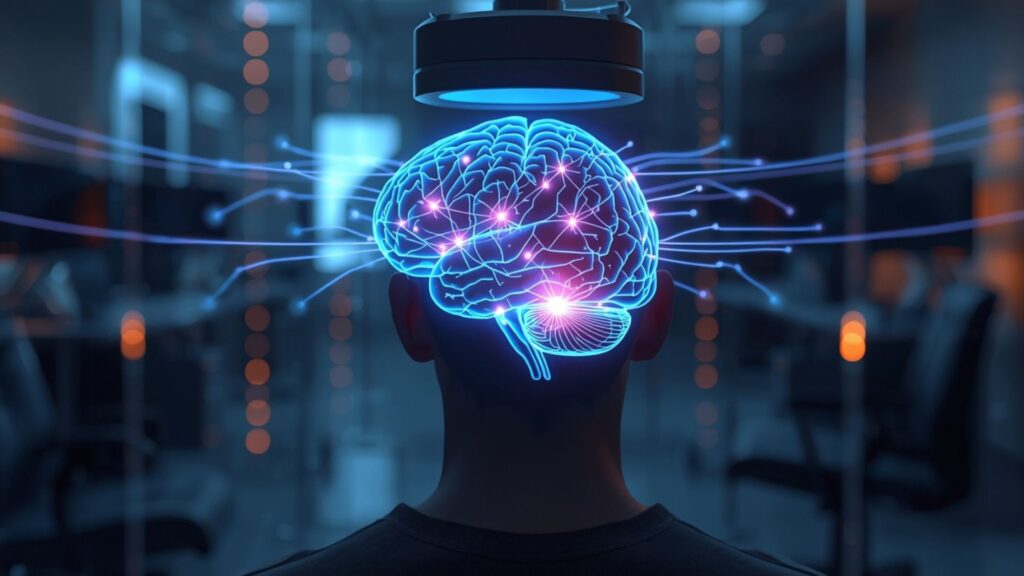
Transcranial Magnetic Stimulation (TMS) is a cutting-edge, non-invasive brain stimulation therapy that uses electromagnetic pulses to stimulate nerve cells in targeted regions of the brain. Originally developed for treatment-resistant depression, TMS has gained attention for its potential in autism therapy.
How TMS Works
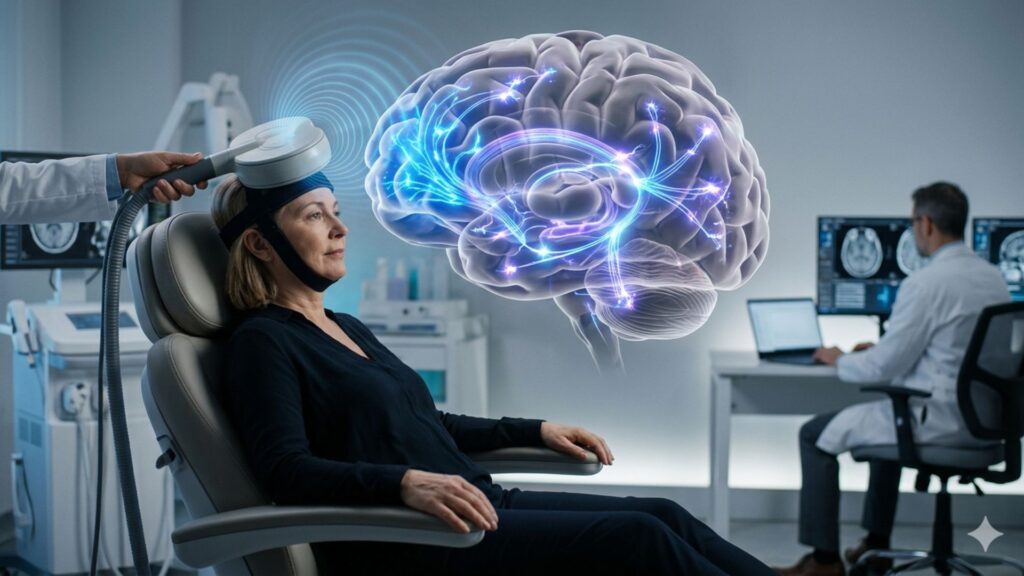
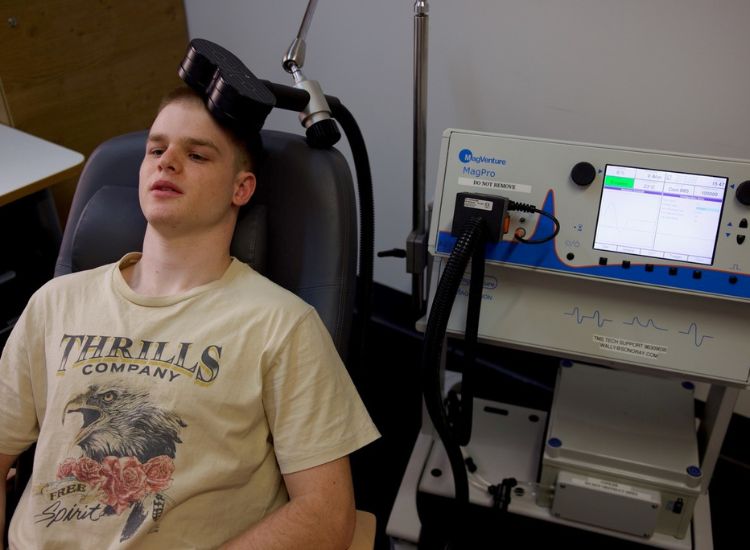
- A specialized electromagnetic coil is placed on the scalp above targeted brain regions.
- The coil generates magnetic pulses that pass through the skull without pain or surgery.
- These pulses stimulate neurons, increasing or normalizing their activity in regions associated with social, cognitive, and emotional processing.
- Over repeated sessions, TMS can enhance brain connectivity, improve neural signaling, and promote neuroplasticity—the brain’s ability to reorganize and adapt.
Unlike medications, TMS does not involve altering systemic chemistry, making it safe, non-addictive, and largely free from side effects.
The Science Behind TMS in Autism
Recent research has shown that Transcranial Magnetic Stimulation (TMS) may positively influence neural networks that are critical for social behavior, emotional regulation, and the management of repetitive behaviors—areas often affected in individuals with Autism Spectrum Disorder (ASD). By delivering targeted magnetic pulses to specific regions of the brain, TMS can help enhance communication between neurons and improve overall brain connectivity. Studies suggest that this neuromodulation can reduce social anxiety, improve emotional responses, and decrease repetitive or restrictive behaviors, offering a promising non-invasive and drug-free approach for supporting individuals with ASD in their daily functioning and social interactions.
Key Findings from Studies
- Social Responsiveness: Studies show improved scores on social responsiveness assessments after repeated TMS sessions.
- Reduction in Repetitive Behaviors: TMS has been associated with decreases in repetitive motor behaviors and obsessive-compulsive tendencies.
- Emotional Regulation: By stimulating the prefrontal cortex, TMS can enhance the regulation of emotions and reduce anxiety symptoms.
- Cognitive Flexibility: Improvements in executive functioning and problem-solving have been observed in clinical trials.
These findings suggest that TMS can complement existing therapies and offer measurable improvements in quality of life for individuals with ASD.
Benefits of Palmier TMS Therapy for ASD
1. Non-Drug Approach
For families concerned about long-term medication use or side effects, TMS provides a non-pharmaceutical alternative. There’s no risk of drug interactions, sedation, or chemical dependency.
2. Non-Invasive and Painless
TMS therapy involves no injections, surgery, or anesthesia. Patients typically feel a mild tapping or tingling sensation on the scalp during sessions. Most can resume normal activities immediately after treatment.
3. Targeted Brain Stimulation
Unlike traditional treatments that affect the entire body, TMS targets specific neural circuits associated with ASD symptoms. By focusing on the prefrontal cortex and other relevant regions, TMS improves social cognition, emotional regulation, and executive functioning.
4. Evidence-Based Therapy
Palmier TMS uses protocols validated by research, ensuring that treatments are safe, consistent, and effective.
5. Complementary Treatment
TMS works well alongside traditional therapies, such as:
- Behavioral therapy (ABA, social skills training)
- Speech and language therapy
- Occupational therapy
Combining TMS with these interventions can maximize improvement and promote long-term success.
Step-by-Step: What to Expect During TMS Therapy
Initial Consultation
Every patient begins with a comprehensive assessment:
- Review of medical history and autism diagnosis
- Evaluation of symptoms, behavioral challenges, and treatment goals
- Customized TMS protocol developed by clinicians
Preparing for Treatment
- Patient seated comfortably in a reclined chair
- Electromagnetic coil positioned precisely on the targeted brain area
- Clinician monitors patient throughout the session
TMS Session
- Magnetic pulses delivered in short bursts over 20–40 minutes
- Patient is awake, alert, and can communicate freely
- Minimal discomfort, typically mild scalp tingling or slight headache
Post-Treatment
- Clinicians track progress and adjust the protocol if necessary
- Most patients return to daily activities immediately
- Multiple sessions over several weeks are recommended for optimal results
Safety and Side Effects
Transcranial Magnetic Stimulation (TMS) is widely regarded as a very safe and non-invasive therapy, particularly when administered by trained and experienced professionals, such as those at Palmier TMS. The procedure does not require surgery, anesthesia, or medication, which significantly reduces the risks associated with more invasive treatments. Common side effects are generally mild, short-lived, and well-tolerated. These can include scalp tingling or discomfort at the site of stimulation, mild headaches, or temporary fatigue following a session. Most patients are able to resume normal daily activities immediately, making TMS a convenient and low-risk therapeutic option for individuals with ASD.
- Scalp tingling or mild discomfort
- Slight headache
- Fatigue or lightheadedness
Severe side effects are extremely rare. A thorough pre-treatment evaluation ensures TMS is safe for each individual, particularly children or those with medical conditions.
Who Should Avoid TMS?
- Individuals with a history of seizures or epilepsy
- People with metal implants in or near the head
- Individuals with pacemakers or implanted electronic devices
Palmier TMS carefully screens patients to ensure safety and suitability for therapy.
Personalized Success Stories
Case Example: Emily, 10
Emily, who was diagnosed with Autism Spectrum Disorder (ASD) at the age of four, faced significant challenges in social interactions, often feeling anxious and withdrawn in group settings or unfamiliar environments. Daily routines could be difficult to navigate, and emotional outbursts were common during periods of stress. After completing a six-week course of TMS therapy at Palmier TMS, Emily experienced remarkable improvements. She became more engaged with peers, demonstrated increased eye contact, and was able to participate more comfortably in social activities. Additionally, her anxiety levels decreased noticeably, allowing her to approach new situations with greater confidence and ease.
- Increased eye contact and social engagement
- Reduced anxiety and meltdowns
- Improved focus and participation in school activities
Her parents noted that TMS enhanced the effectiveness of her ongoing behavioral therapy, creating a measurable improvement in daily life.
Case Example: Jake, 16
Jake, a 16-year-old diagnosed with Autism Spectrum Disorder (ASD), struggled with repetitive behaviors, such as hand-flapping and strict adherence to routines, which often interfered with his daily activities. He also experienced frequent emotional outbursts, making it challenging to navigate social situations and maintain relationships with peers and family. After undergoing a course of TMS therapy at Palmier TMS, Jake showed significant improvements. His repetitive behaviors decreased noticeably, and he became better able to regulate his emotions during stressful or unexpected situations. These changes allowed him to engage more effectively in social interactions and enjoy a greater sense of independence and confidence.
- Repetitive behaviors decreased significantly
- Emotional regulation improved, reducing conflicts at home
- Confidence in social situations increased
These examples illustrate how tailored TMS protocols can complement existing interventions and improve overall quality of life.
The Future of TMS in Autism Therapy
As research into Transcranial Magnetic Stimulation (TMS) continues to advance, it is increasingly likely that TMS will become a mainstream and widely accessible tool in autism therapy. Scientists and clinicians are exploring several promising innovations, including personalized neuro-mapping to identify the most effective brain regions for stimulation, which allows for highly individualized treatment plans. Other developments under study include home-based TMS devices for remote therapy, integration of TMS with cognitive-behavioral programs, and combination protocols that enhance social, emotional, and cognitive outcomes. These advancements have the potential to make TMS more precise, effective, and convenient for individuals with ASD.
- Personalized neuro-mapping to identify the most effective stimulation sites
- Home-based TMS options for remote therapy
- Combination therapies integrating TMS with cognitive-behavioral programs
Palmier TMS is committed to staying at the forefront of these advancements, ensuring patients have access to the latest evidence-based care.
FAQs About Palmier TMS Therapy
Q1: Is TMS safe for children with autism?
Yes. TMS is non-invasive, painless, and has a strong safety profile. Palmier TMS clinicians evaluate each child individually.
Q2: How long is a TMS session?
Sessions typically last 20–40 minutes, depending on the protocol.
Q3: Are there side effects?
Most side effects are mild, including scalp tingling or slight headaches. No systemic side effects occur.
Q4: How many sessions are needed?
Treatment courses usually span several weeks, with multiple sessions per week.
Q5: Can TMS replace therapy or medication?
TMS is complementary, not a replacement. It works best alongside behavioral, speech, or occupational therapy.
Q6: Is TMS covered by insurance?
Coverage varies by provider. Palmier TMS staff assist patients with insurance and financing options.
Conclusion
Autism Spectrum Disorder (ASD) presents a wide range of unique challenges for individuals and their families, from difficulties with social interaction and communication to repetitive behaviors and sensory sensitivities. Traditional therapies, while helpful, do not always address the neurological aspects of the disorder, and medications can carry unwanted side effects. Palmier TMS Therapy offers a promising alternative, providing a safe, non-drug, and non-invasive approach to support individuals with ASD.
By delivering targeted magnetic pulses to specific brain regions associated with social behavior, communication, and emotional regulation, TMS can help improve neural connectivity and enhance cognitive and emotional functioning. This therapy not only complements existing interventions such as behavioral, speech, and occupational therapies but also empowers families with an evidence-based treatment that promotes greater independence and quality of life. Across Missouri, families trust Palmier TMS for personalized care tailored to each individual’s needs.
If you or a loved one is seeking a safe, non-drug solution for autism spectrum disorder, contact Palmier TMS today:
Palmier TMS operates three locations across Missouri:
📍 Chesterfield
112 Chesterfield Commons East Rd., Chesterfield, MO 63005
📍 Richmond Heights
1505 S Big Bend Blvd, Richmond Heights, MO 63117
📍 Osage Beach (Ozarks)
5721 Osage Beach Parkway, Suite #300, Osage Beach, MO 65065
📞 Call or Text: 314-697-4867
🌐 Website: https://palmiertms.com
Schedule your consultation and explore how TMS therapy can transform daily life for individuals with ASD.