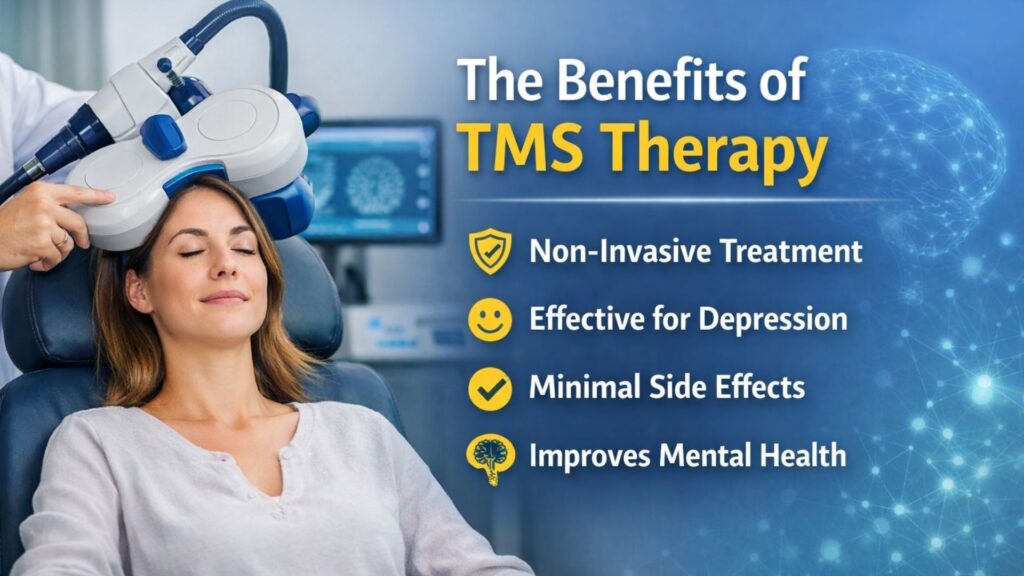

Effective TMS Therapy: A Side-Effect-Free Solution for Mood Disorders

Living with depression or anxiety can feel like being trapped in a fog with no way out. For millions of Americans, mood disorders affect not only mental well-being but also physical health, productivity, and relationships. Many individuals try medication after medication, only to face frustrating side effects or little improvement.
But what if there was a non-invasive, medication-free treatment that could help you regain control of your mental health—without the typical side effects?
That’s exactly what Transcranial Magnetic Stimulation (TMS) therapy offers. Backed by neuroscience and approved by the FDA, TMS therapy is a breakthrough in treating mood disorders such as depression, anxiety, and OCD.
This comprehensive guide explores how TMS works, why it’s considered a safe and effective option, what to expect during treatment, and how Palmier TMS, Missouri’s trusted TMS provider, is helping patients achieve lasting emotional balance.
Understanding Mood Disorders
Before diving into the science behind TMS, it’s important to understand the problem it solves.
Mood disorders—including Major Depressive Disorder (MDD), Generalized Anxiety Disorder (GAD), Bipolar Disorder, and Obsessive-Compulsive Disorder (OCD)—are among the most common mental health conditions worldwide. According to the National Institute of Mental Health, over 21 million U.S. adults experience at least one major depressive episode each year.
Symptoms can include:
- Persistent sadness or hopelessness
- Loss of interest in once-enjoyable activities
- Changes in appetite or sleep
- Difficulty concentrating
- Fatigue or low energy
- Thoughts of worthlessness or guilt
For many, these symptoms are resistant to conventional treatments, leading to what’s known as treatment-resistant depression (TRD).
The Problem with Traditional Treatments
Antidepressant medications and psychotherapy have long been the standard treatments for mood disorders like depression and anxiety. While these approaches can be effective for many, they don’t work for everyone. Some individuals experience minimal improvement or struggle with unwanted side effects from medication. For those seeking a safer, more natural alternative, innovative treatments like TMS therapy offer new hope for lasting relief and emotional well-being.
Medication Limitations
Antidepressants regulate brain chemicals such as serotonin and dopamine, but they affect the entire body—not just the brain regions linked to mood. This can cause side effects such as:
- Weight gain or loss
- Fatigue or insomnia
- Sexual dysfunction
- Emotional numbness
- Gastrointestinal issues
Moreover, about one-third of patients do not experience significant relief from medication. Some even struggle to find a drug that works for them after trying multiple prescriptions.
Psychotherapy Limitations
While therapy helps individuals understand and manage their emotions, it’s often most effective when brain chemistry is properly balanced. For many, depression has a strong neurological component, meaning talk therapy alone may not provide full relief. This is where TMS therapy offers new hope—a gentle, non-invasive, and scientifically proven treatment that directly targets the brain to restore balance, improve mood, and support lasting emotional wellness naturally.
What Is TMS Therapy?
Transcranial Magnetic Stimulation (TMS) is a non-invasive, drug-free treatment that uses gentle magnetic pulses to stimulate targeted areas of the brain responsible for mood regulation, especially the left dorsolateral prefrontal cortex (DLPFC). This region is often underactive in individuals with depression. By reactivating these neural pathways, TMS helps restore normal brain function, improving mood, energy, and overall emotional well-being naturally and effectively.
During TMS therapy:
- A magnetic coil is placed lightly on the scalp.
- The device emits precise magnetic pulses.
- These pulses activate neurons in the targeted brain region.
- Over time, the brain “rewires” itself—restoring balance and improving mood.
TMS is FDA-approved, requires no anesthesia, and allows patients to resume normal activities immediately after each session.
How TMS Works: The Science Explained
Your brain is an intricate network of over 80 billion neurons communicating via electrical signals. When depression occurs, these communication pathways weaken, especially in areas controlling mood, decision-making, and motivation.
TMS therapy uses magnetic pulses to stimulate these dormant neurons, reactivating neural circuits that have become sluggish. This process, known as neuroplasticity, helps the brain rebuild healthy communication patterns—naturally.
Key Benefits of TMS-Induced Neuroplasticity:
- Strengthens brain activity in underactive regions
- Improves neurotransmitter regulation
- Enhances emotional resilience
- Promotes lasting mood stability
Essentially, TMS gives the brain a “reset”—helping it function more efficiently without chemical intervention.
Why TMS Therapy Is Effective
Numerous studies confirm the effectiveness of TMS therapy for depression and related disorders. Research published in The Journal of Clinical Psychiatry shows that 60% of patients with treatment-resistant depression experience significant improvement after TMS, and one-third achieve full remission.
Unlike medications that take weeks to build up in the bloodstream, TMS directly targets the root cause—brain dysfunction—without systemic side effects.
TMS also works for individuals who:
- Cannot tolerate antidepressant side effects
- Have not responded to multiple medications
- Prefer a non-drug, natural treatment approach
- Want long-term improvement without dependency
What to Expect During TMS Therapy
At Palmier TMS, your experience is designed to be relaxing, supportive, and fully personalized to your unique needs. From the moment you walk in, our compassionate team ensures your comfort and peace of mind. Each session takes place in a calm, welcoming environment where you can unwind while receiving gentle, non-invasive treatment. Our goal is to make every visit a positive step toward lasting emotional wellness and recovery.
Step 1: Consultation and Evaluation
You’ll meet with a licensed clinician to discuss your symptoms, medical history, and goals. A detailed evaluation ensures that TMS is safe and appropriate for you.
Step 2: Personalized Mapping Session
During your first visit, the clinician locates the precise brain area responsible for mood regulation. This mapping ensures accuracy and consistency for future sessions.
Step 3: Treatment Sessions
- Sessions last 20–40 minutes
- You’ll sit comfortably while the magnetic coil delivers pulses to the targeted region
- You may feel a light tapping sensation but no pain
- You can drive, work, or exercise immediately afterward
Step 4: Progress Monitoring
Throughout your treatment course (usually 5 sessions per week for 4–6 weeks), your progress is tracked and adjustments are made to maximize results.
Many patients report noticeable improvements by the second or third week, including:
- Better sleep
- Increased motivation
- Reduced anxiety
- More energy
- Improved focus and mood stability
Is TMS Safe?
Absolutely. Transcranial Magnetic Stimulation (TMS) is among the safest and most well-tolerated treatments for depression available today. Because it doesn’t involve medications, surgery, or electrical currents, patients experience no systemic or cognitive side effects. The treatment is gentle, non-invasive, and allows individuals to resume normal daily activities immediately after each session—making it an ideal option for those seeking effective, drug-free relief from depression and anxiety symptoms.
Possible Mild Side Effects:
- Temporary scalp discomfort
- Mild headache (usually resolves within hours)
There are no memory loss, weight changes, or sedation effects. Most patients find TMS so gentle they can resume daily activities right after each session.
TMS is FDA-approved and endorsed by major organizations such as:
- The American Psychiatric Association (APA)
- The National Institute of Mental Health (NIMH)
- The World Health Organization (WHO)
TMS vs. Other Depression Treatments
Treatment Option Invasiveness Side Effects Effectiveness Recovery Time Antidepressants Moderate Systemic (fatigue, sexual issues, nausea) 40–60% None Electroconvulsive Therapy (ECT) High Memory loss, anesthesia required 70–90% 1–2 days Psychotherapy Low None Variable None TMS Therapy Non-invasive Minimal (temporary scalp discomfort) 60–80% Immediate
TMS provides a perfect balance—safe, effective, and without the risks of medication dependency or invasive procedures.
Who Can Benefit from TMS Therapy
TMS is primarily FDA-approved for the treatment of Major Depressive Disorder (MDD), particularly in patients who haven’t responded well to medications. However, research and clinical experience show that TMS can also be effective for other conditions, including anxiety disorders, obsessive-compulsive disorder (OCD), post-traumatic stress disorder (PTSD), and certain forms of chronic pain. By targeting specific brain regions, TMS helps restore healthy neural activity and emotional balance naturally.
- Anxiety Disorders (Generalized Anxiety, Panic Disorder)
- Obsessive-Compulsive Disorder (OCD)
- Post-Traumatic Stress Disorder (PTSD)
- Bipolar Depression
- Smoking cessation (new protocols available)
- Postpartum Depression
If you’ve struggled with depression or anxiety that hasn’t responded to medication, TMS can be a life-changing alternative.
Palmier TMS: Your Partner in Healing
Palmier TMS is one of Missouri’s premier providers of Transcranial Magnetic Stimulation (TMS) therapy, dedicated to helping individuals overcome depression and anxiety through natural, non-invasive care. Their mission is to empower patients to rediscover emotional balance, confidence, and hope—without the need for medications or invasive procedures. With expert clinicians and state-of-the-art technology, Palmier TMS delivers safe, effective treatment that promotes lasting mental and emotional well-being.
Why Choose Palmier TMS
- Experienced clinical team specializing in TMS treatment
- Welcoming, private, and comfortable environment
- Personalized, evidence-based treatment plans
- Insurance assistance for smoother approvals
- Flexible scheduling to fit your lifestyle
Their patient-first approach ensures that every individual feels supported from consultation through recovery.
TMS Therapy Success Stories
Patients often describe their TMS experience at Palmier TMS as truly life-changing. Many report feeling lighter, more focused, and emotionally balanced after completing treatment. Some notice improvements in sleep, energy, and motivation, while others regain joy and interest in daily life for the first time in years. These real stories reflect the powerful, lasting impact TMS therapy can have on restoring hope and emotional well-being.
“I had tried four different antidepressants, each with unbearable side effects. TMS gave me my life back—no more fog, no more fatigue. I feel like myself again.”
“Palmier TMS made me feel cared for and understood. After five weeks, my depression lifted. My family noticed the difference before I did!”
These success stories reflect what the science already shows—TMS therapy works.
Frequently Asked Questions (FAQs)
Q1: How long do TMS results last?
Most patients experience long-lasting relief for months or years. Some may return for occasional maintenance sessions if symptoms recur.
Q2: Can I combine TMS with other treatments?
Yes. TMS can complement ongoing therapy or medication under the guidance of your clinician.
Q3: How soon can I expect to feel better?
While individual results vary, most patients notice improvement within 2–4 weeks of starting treatment.
Q4: Is TMS covered by insurance?
Yes, most major insurance providers—including Blue Cross Blue Shield, Aetna, Cigna, and UnitedHealthcare—cover TMS therapy for depression.
Q5: Can TMS help with anxiety or OCD?
Yes! FDA-approved protocols exist for depression and OCD, and many patients also report reduced anxiety symptoms after treatment.
Q6: How is TMS different from ECT (Electroconvulsive Therapy)?
ECT uses electrical currents and requires anesthesia, often causing memory loss. TMS uses magnetic pulses, requires no sedation, and has no cognitive side effects.
Q7: Does TMS hurt?
Not at all. You may feel mild tapping on your scalp during sessions, but discomfort fades quickly.
Q8: What is the success rate?
Clinical data shows 60–80% improvement, with about one-third of patients achieving complete remission.
Life After TMS: A Brighter Future
TMS therapy doesn’t just treat symptoms—it helps you rediscover joy and motivation. After completing TMS, many patients report:
- More energy and focus
- Better emotional regulation
- Restful sleep
- Renewed interest in hobbies and relationships
- Reduced anxiety and stress
Unlike medications that must be taken indefinitely, TMS creates lasting brain changes, allowing you to enjoy sustained mental clarity.
Conclusion
Depression and anxiety can make everyday life feel unbearably heavy, draining your energy, focus, and sense of hope. But you don’t have to carry that weight forever. TMS (Transcranial Magnetic Stimulation) therapy offers a safe, non-invasive, and scientifically proven path to recovery that helps restore natural brain balance and emotional wellness—without the side effects of traditional medications.
At Palmier TMS, Missouri’s trusted leader in TMS therapy, we specialize in helping individuals who haven’t found relief through antidepressants or other treatments. Our advanced, FDA-approved technology gently stimulates key areas of the brain responsible for mood regulation, promoting long-term improvement in mental health and overall well-being.
If medications haven’t worked or you’re seeking a more natural, medication-free alternative, now is the time to explore the difference TMS can make. Let Palmier TMS help you reclaim your peace of mind and rediscover joy in everyday life.
Start your journey toward better mental health today.
Contact Palmier TMS for a free consultation and discover how TMS therapy can help you feel like yourself again.
📞 Call or Text: 314-697-4867
🌐 Official Website: https://palmiertms.com
📍 Locations: Chesterfield, Richmond Heights, and Osage Beach (Ozarks)
Palmier TMS — Restoring balance, naturally