
Palmier TMS Podcast Series: What is TMS Part 8
The Role of TMS in Modern Psychiatry
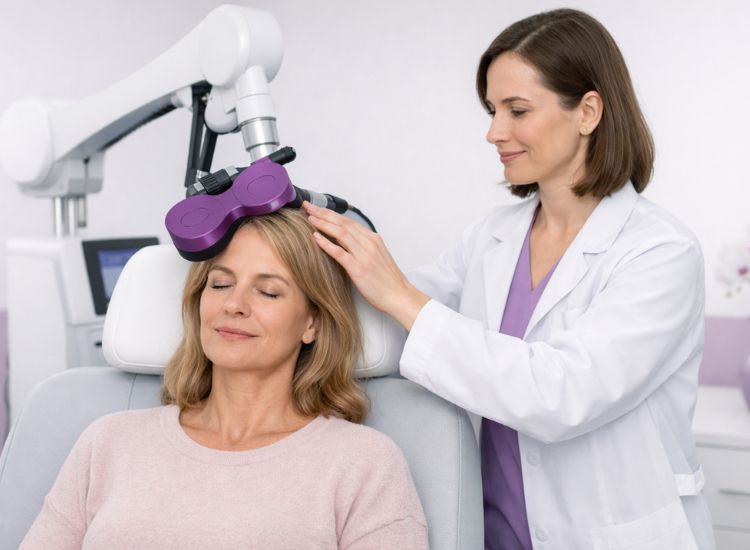
Transcranial Magnetic Stimulation (TMS) has emerged as a cornerstone of modern psychiatry, offering a lifeline to patients with treatment-resistant conditions. Its ability to stimulate underactive brain regions has made it a go-to option for clinicians seeking innovative solutions for depression, anxiety, and beyond. As a non-invasive and highly targeted intervention, TMS continues to redefine how psychiatric disorders are managed.
Precision and Targeted Impact
Unlike traditional approaches that rely heavily on medication, TMS provides a direct and localized impact on brain activity. This precision allows for more controlled modulation of neural circuits involved in mood regulation and cognitive function. Because of its non-invasive nature, TMS is increasingly being incorporated into mainstream psychiatric practice as an adjunct or alternative to existing treatments.
TMS leads to significant symptom relief in patients with treatment-resistant depression, with many achieving sustained improvements. These findings reinforce the importance of TMS as an alternative for those who do not respond well to standard pharmacological treatments. Extensive clinical trials support the effectiveness of TMS, reinforcing its place as an evidence-based intervention in psychiatric care.
Complementary Role in Mental Health Care
Rather than serving as a standalone treatment, TMS is increasingly recognized as a valuable complement to other therapeutic approaches.
- Integration with Psychotherapy: Studies suggest that combining TMS with cognitive-behavioral therapy (CBT) enhances treatment outcomes by reinforcing positive neural changes while addressing underlying thought patterns. TMS promotes neuroplasticity, potentially making the brain more receptive to psychotherapy by improving emotional regulation and cognitive flexibility.
Beyond CBT, other psychotherapy methods have shown promise when integrated with TMS:
- Dialectical Behavior Therapy (DBT): Since DBT focuses on emotional regulation and distress tolerance, pairing it with TMS may enhance a patient’s ability to process emotions and develop coping skills.
- Acceptance and Commitment Therapy (ACT): Patients undergoing TMS may benefit from ACT’s focus on mindfulness and behavioral change, as TMS can help improve mood stability and cognitive function.
- Exposure and Response Prevention (ERP) for OCD: Since TMS is FDA-approved for treatment-resistant OCD, combining it with ERP, which helps patients manage compulsive behaviors, may yield stronger and longer-lasting symptom relief.
- Interpersonal Therapy (IPT): As TMS improves mood and cognitive function, IPT may help patients re-engage in meaningful social interactions, further reinforcing positive mental health outcomes.
The synergy between TMS and psychotherapy reflects the growing recognition that a multi-modal approach to mental health care can produce the most sustainable improvements. By combining neuromodulation with evidence-based psychotherapeutic techniques, clinicians can tailor interventions to maximize patient response and long-term well-being.
- Pharmacological Synergy: Some patients benefit from combining TMS with low-dose medication, optimizing both neurochemical and neurophysiological changes for a more comprehensive recovery process. TMS may enhance the efficacy of antidepressants in cases where partial response has been achieved but full remission has not occurred.
TMS in Psychiatric Practice
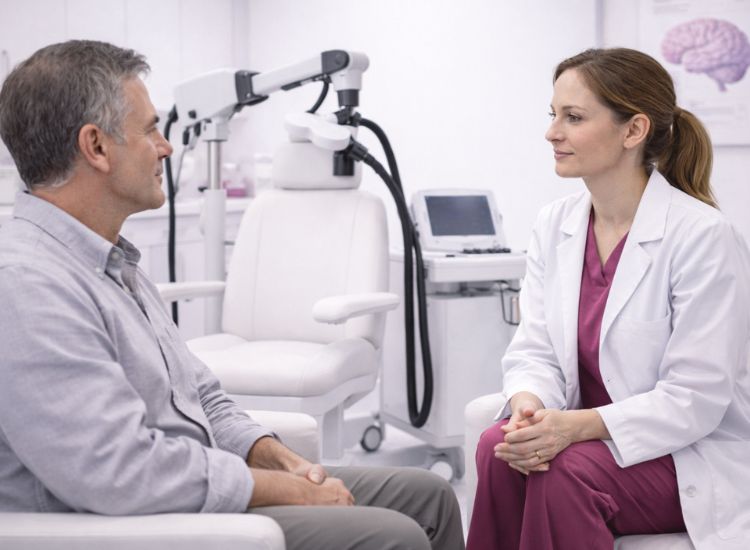
As research advances, TMS is becoming more widely adopted in psychiatric practice, moving beyond its initial use for treatment-resistant depression. Mental health clinics, hospitals, and academic institutions are increasingly incorporating TMS into their treatment protocols, recognizing its effectiveness as both a standalone therapy and an adjunct to traditional approaches.
- Integration into Mental Health Clinics: Many psychiatric clinics now offer TMS alongside psychotherapy and medication management, providing patients with more comprehensive care options.
- Growing Psychiatrist Adoption: As more clinicians become trained in TMS technology, referrals for TMS treatment are increasing, making it more accessible to patients who may not have previously considered it.
- Insurance Coverage Expanding: Health insurers are gradually recognizing the efficacy of TMS, resulting in broader coverage policies that allow more patients to afford treatment.
- Research-Driven Protocol Refinements: Institutions continue to refine TMS protocols to improve treatment precision, enhance efficacy, and shorten session durations for greater patient convenience.
These advancements demonstrate how TMS is transitioning from an alternative therapy to a mainstream psychiatric intervention, offering new possibilities for patients who require non-invasive and effective mental health solutions.
The Future of TMS in Psychiatry
With ongoing technological advancements, TMS is likely to become even more refined and accessible.
- Personalized Protocols: Future innovations in neuroimaging and brain mapping may allow for individualized treatment plans based on a patient’s specific neural activity. Refining stimulation parameters based on neuroimaging could further optimize treatment outcomes.
- Home-Based TMS: Researchers are exploring the feasibility of portable or home-administered TMS devices, increasing accessibility for patients in remote areas. While still in early development, these advancements could transform TMS into a widely available therapeutic tool.
- Enhanced Stimulation Techniques: Newer protocols, such as theta burst stimulation (TBS), offer shorter yet equally effective treatment sessions, improving patient convenience and adherence. TBS has the potential to match or even surpass traditional TMS efficacy with significantly reduced treatment times.
- Broader Insurance Coverage and Access: As clinical evidence continues to mount, insurance companies are expanding coverage for TMS treatments. Increased accessibility could lead to earlier intervention, preventing the progression of chronic psychiatric conditions.
The Evolving Role of TMS in Mental Health Care
As TMS continues to gain widespread acceptance, it is positioned to revolutionize mental health treatment by providing an effective, well-tolerated, and highly adaptable option for patients struggling with psychiatric conditions. The evolution of TMS from an alternative therapy to a mainstream treatment underscores its importance in modern psychiatry.
With its ability to precisely target neural pathways, minimize side effects, and integrate seamlessly with other interventions, TMS is transforming the way mental health care is delivered. As research progresses and accessibility improves, TMS is poised to become an essential tool in addressing the complexities of psychiatric and neurological disorders.
Sources:
Carpenter, L. L., Janicak, P. G., Aaronson, S. T., Boyadjis, T., Brock, D. G., Cook, I. A., Dunner, D. L., Lanocha, K., Solvason, H. B., & Demitrack, M. A. (2012). Transcranial magnetic stimulation (TMS) for major depression: a multisite, naturalistic, observational study of acute treatment outcomes in clinical practice. Depression and Anxiety, 29(7), 587–596. https://doi.org/10.1002/da.21969
George, M. S., Taylor, J. J., & Short, E. B. (2013). The expanding evidence base for rTMS treatment of depression. Current Opinion in Psychiatry, 26(1), 13–18. https://doi.org/10.1097/YCO.0b013e32835ab46d
Hallett, M. (2000). Transcranial magnetic stimulation and the human brain. Nature, 406(6792), 147–150. https://doi.org/10.1038/35018000
Rossi, S., Hallett, M., Rossini, P. M., Pascual-Leone, A., & Safety of TMS Consensus Group. (2009). Safety, ethical considerations, and application guidelines for the use of transcranial magnetic stimulation in clinical practice and research. Clinical Neurophysiology, 120(12), 2008–2039. https://doi.org/10.1016/j.clinph.2009.08.016