
Palmier TMS Podcast Series: What is TMS Part 4
Comparing TMS to Traditional Treatments
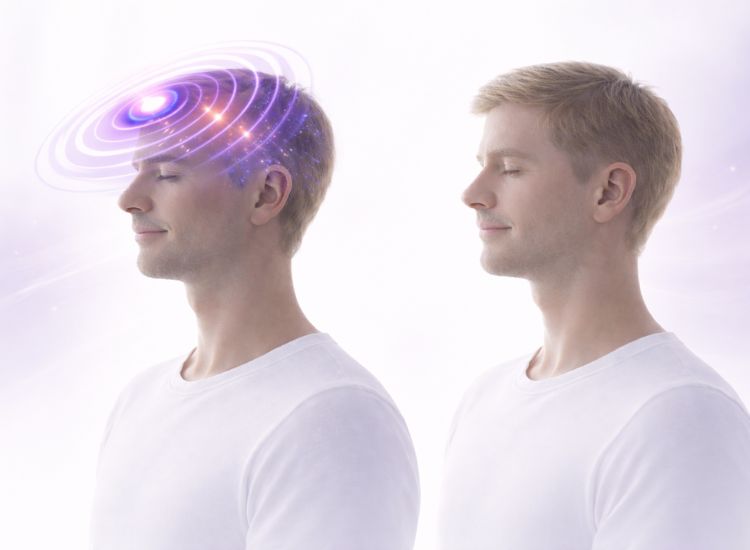
Transcranial Magnetic Stimulation (TMS) offers a novel approach compared to traditional mental health treatments like medications and psychotherapy. As a non-invasive therapy, TMS directly targets neural circuits involved in mood regulation, providing a precise and effective alternative for individuals struggling with treatment-resistant depression and other mental health conditions.
TMS vs. Antidepressant Medications
Antidepressant medications, such as selective serotonin reuptake inhibitors (SSRIs) and serotonin-norepinephrine reuptake inhibitors (SNRIs), aim to regulate neurotransmitter levels systemically. While effective for many patients, these medications often come with unwanted side effects, including:
- Weight gain
- Fatigue and drowsiness
- Sexual dysfunction
- Gastrointestinal distress
- Cognitive fog or emotional blunting
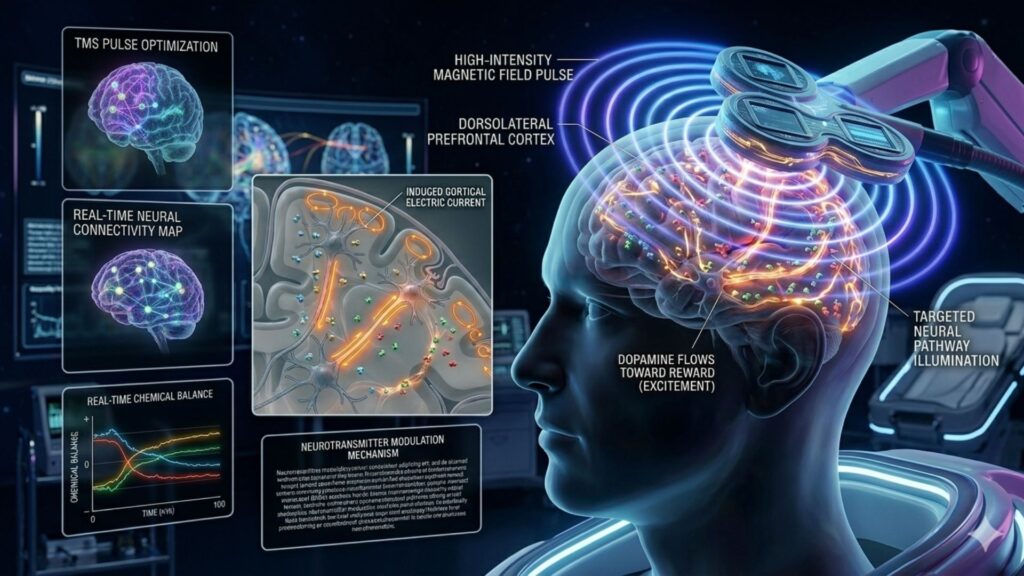
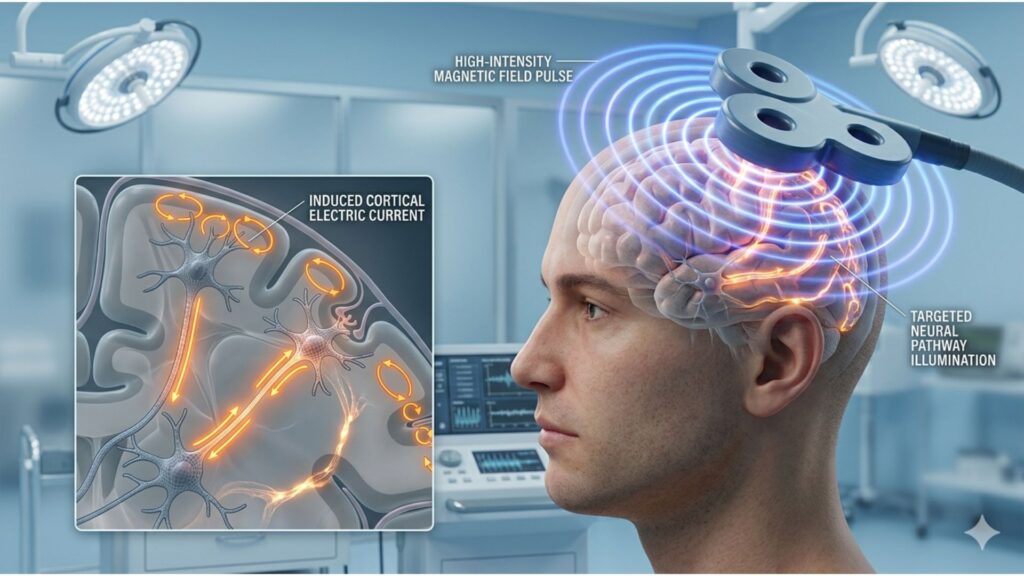
In contrast, TMS works by stimulating underactive brain regions, such as the dorsolateral prefrontal cortex (DLPFC), without introducing systemic chemicals into the body. By focusing its effects on specific neural pathways, TMS reduces the risk of widespread side effects while promoting neuroplasticity and symptom relief.
Furthermore, many patients with treatment-resistant depression have already tried multiple antidepressants without success. For these individuals, TMS presents an evidence-based alternative that does not rely on altering neurotransmitter levels across the entire brain.
TMS vs. Electroconvulsive Therapy (ECT)
Electroconvulsive Therapy (ECT) has long been a treatment option for severe depression, particularly in cases of suicidality or psychotic features. However, ECT involves electrical stimulation of the brain under general anesthesia, which often results in short-term memory loss, cognitive impairment, and prolonged recovery times. While ECT remains a highly effective intervention for severe and refractory cases of depression, its invasive nature makes it less appealing for many patients.
TMS, by contrast, does not require anesthesia, sedation, or post-procedure recovery time. It has no significant cognitive side effects, making it a preferred choice for individuals seeking an effective yet non-disruptive treatment option. Moreover, research has demonstrated that both TMS and ECT can yield substantial improvements in depressive symptoms, but TMS is more tolerable and has a lower risk profile for the majority of patients.
TMS as a Complementary Treatment
therapy. Many patients experience enhanced outcomes when TMS is combined with ongoing psychotherapy, medication management, or lifestyle interventions. This integrative approach ensures a comprehensive treatment plan tailored to an individual’s unique needs.
For example:
- Cognitive Behavioral Therapy (CBT) alongside TMS may strengthen cognitive restructuring and reinforce healthier thought patterns.
- Continued antidepressant use in conjunction with TMS can optimize mood stabilization for certain patients.
- Lifestyle modifications, including exercise, diet, and sleep regulation, can further amplify the long-term benefits of TMS treatment.
Speed and Efficiency of TMS Compared to Traditional Treatments
Traditional treatments often require weeks or months before noticeable improvements occur. Many antidepressants take 4 to 6 weeks to reach full effectiveness, with some patients requiring multiple medication trials before finding a suitable option. Even psychotherapy, while highly beneficial, may take an extended period to yield significant relief, particularly in cases of severe depression.
TMS, on the other hand, frequently produces improvements in mood and cognitive function within a few weeks. A standard course of TMS consists of five sessions per week over 4 to 6 weeks, leading to faster symptom relief for many individuals. Additionally, advanced TMS protocols, such as Theta Burst Stimulation (TBS), can condense treatment sessions to as little as three minutes while maintaining efficacy levels similar to traditional protocols.
While TMS is widely recognized for its effectiveness in treating depression, it is not limited to this condition, as previously discussed. Research continues to expand its applications in treating anxiety, OCD, PTSD, chronic pain, and other neurological disorders. Later sections of this book will explore these applications in greater detail. However, within the scope of depression treatment, TMS plays a crucial role in comprehensive mental health care, offering an alternative or complementary option to medications, psychotherapy, and ECT.
The Future of TMS in Mental Health Care
With its growing body of evidence and increasing accessibility, TMS is becoming a mainstream intervention in psychiatric care. Advances in brain mapping, personalized TMS protocols, and real-time neuroimaging integration are likely to further refine treatment efficacy. Additionally, as awareness of TMS expands, insurance coverage and accessibility are improving, making it a more viable option for a broader patient population.
For individuals seeking a safe, effective, and well-tolerated alternative to traditional mental health treatments, TMS stands out as a promising and life-changing option.
Sources:
Fitzgerald, P. B., et al. (2022). Repetitive transcranial magnetic stimulation is an effective, safe and well-tolerated treatment for patients with major depressive disorder. Australian and New Zealand Journal of Psychiatry, 56(7), 745-751. https://doi.org/10.1177/00048674211043047
Carpenter, L. L., et al. (2012). Role of TMS in comprehensive mental health care. Depression and Anxiety, 29(7), 587-596. https://doi.org/10.1002/da.21967
George, M. S., et al. (2013). Innovations in TMS protocols. Current Opinion in Psychiatry, 26(1), 13-18. https://doi.org/10.1097/YCO.0b013e32835ab46d
Hallett, M. (2000). Transcranial magnetic stimulation and the human brain. Nature, 406(6792), 147-150. https://pubmed.ncbi.nlm.nih.gov/10910346/