
TMS Therapy Side Effects: What You Need to Know Before Starting Treatment
Considering Transcranial Magnetic Stimulation (TMS) for depression or another mental health condition? It’s normal to feel both hopeful and unsure. TMS is an FDA-approved, non-invasive treatment that uses magnetic pulses to stimulate mood-related areas of the brain—especially helpful for those who haven’t responded to medication or therapy.
At Palmier TMS, we believe informed patients make empowered choices. While TMS is safe and well-tolerated, some people experience minor side effects like scalp discomfort or headaches, which usually fade after a few sessions.
This guide will explain how TMS works, what to expect, and how to prepare for treatment. Let’s begin.
- What TMS therapy is
- How it works
- Common and rare side effects
- Safety and risk factors
- How side effects are managed
- Answers to frequently asked questions
Let’s get started by understanding what TMS is and why so many people are turning to it as a life-changing treatment option.
What Is TMS Therapy?
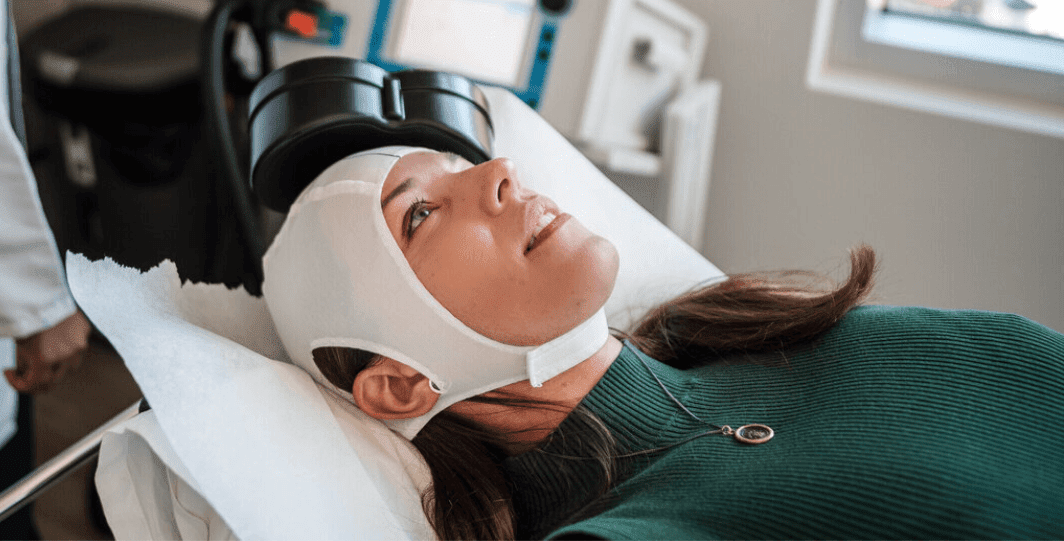
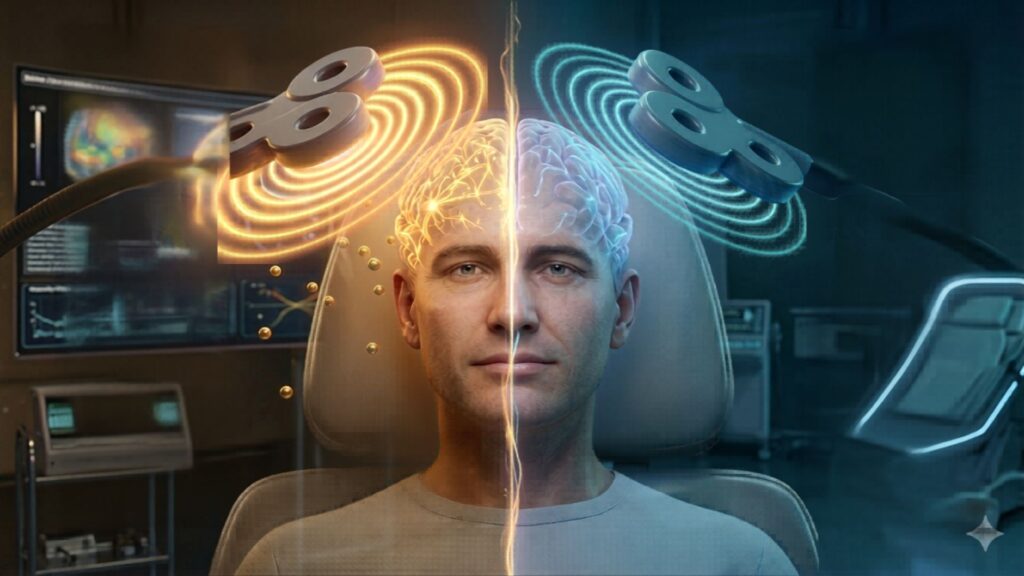
Transcranial Magnetic Stimulation (TMS) is a non-invasive, FDA-approved treatment for Major Depressive Disorder (MDD), especially for those who haven’t responded to medication or therapy. TMS uses magnetic pulses to stimulate specific brain areas tied to mood regulation, helping restore normal neural activity.
Unlike antidepressants that affect the entire body, TMS targets only the brain—resulting in fewer side effects. Common side effects include mild scalp discomfort or headaches, which typically fade after a few sessions. Some may experience brief lightheadedness or facial twitching.
At Palmier TMS, we focus on education and transparency—so you feel informed, confident, and supported every step of the way.
How TMS Therapy Works
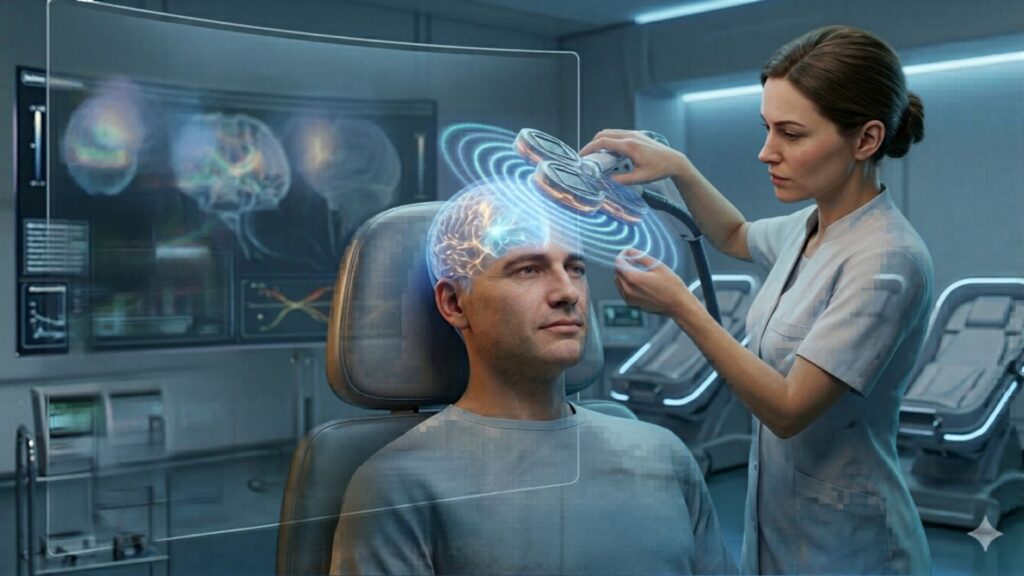
Transcranial Magnetic Stimulation (TMS) works by using a specialized device that delivers magnetic pulses directly to targeted areas of your brain. During a session, a magnetic coil is placed gently against your scalp, usually near your forehead. This coil emits repetitive, focused magnetic pulses that pass through the skull without causing pain, stimulating nerve cells in the prefrontal cortex. This area of the brain is deeply connected to mood, emotion, and decision-making—key functions that are often disrupted in individuals with depression.
The goal of TMS is to activate underperforming brain regions and restore normal neural activity. Think of it as “retraining” the brain. Over time, repeated sessions can lead to lasting improvements in mood, energy levels, and overall cognitive function. Each session typically lasts about 20 to 40 minutes, depending on the protocol, and you’re fully awake and alert throughout.
The process is non-invasive—no anesthesia, no recovery time, and no systemic side effects like those caused by medication. Most patients can return to normal activities immediately after their appointment. TMS has been a game-changer for many individuals who have struggled with treatment-resistant depression. At Palmier TMS, we guide you through every step, ensuring your comfort and understanding from day one.
A typical treatment course consists of:
- 5 sessions per week
- 20 to 40 minutes per session
- 4 to 6 weeks total treatment time
Most patients can drive themselves to and from appointments, return to work, and resume their regular activities immediately afterward.
Common Side Effects of TMS Therapy
The good news is that Transcranial Magnetic Stimulation (TMS) is generally well-tolerated. It’s non-invasive, requires no sedation, and allows you to resume normal activities right after treatment. Common side effects include mild scalp discomfort, light tapping sensations, or temporary headaches—most of which ease after a few sessions. Less frequently, patients may experience facial twitching or lightheadedness. Serious risks, like seizures, are extremely rare and typically linked to pre-existing conditions. At Palmier TMS, we prioritize your safety and comfort. Each session is closely monitored, and adjustments are made as needed to ensure a positive, effective treatment experience from start to finish.
1. Scalp Discomfort or Tingling
Scalp discomfort is the most frequently reported side effect of Transcranial Magnetic Stimulation (TMS). During treatment, the magnetic coil sends rapid pulses to targeted areas of the brain, which can cause slight muscle contractions in the scalp, forehead, or jaw. These contractions may feel like a tapping or tingling sensation and can lead to temporary discomfort during or shortly after the session.
The intensity of this sensation varies from person to person. Some describe it as mildly annoying, while others may feel more noticeable pressure or sensitivity in the treatment area. Fortunately, this discomfort typically decreases after the first few sessions as your body gets used to the stimulation. Your provider can also adjust the intensity of the magnetic pulses or reposition the coil slightly to help make sessions more comfortable.
At Palmier TMS, we take every step to ensure your experience is as comfortable as possible. We monitor your response closely and communicate openly during each visit, making adjustments as needed to reduce discomfort without compromising the effectiveness of the treatment. For most patients, any initial scalp sensitivity becomes more tolerable with each session—and it’s a small trade-off for the potential life-changing benefits TMS can offer.
- Severity: Mild to moderate
- Duration: Often resolves within the first few sessions
- Management: Adjusting coil placement or stimulation intensity can help
2. Headache
Mild to moderate headaches are a common side effect during the first few TMS sessions. These are typically tension-related, caused by stimulation of scalp muscles and nerves—not the brain itself. Most patients describe them as mild pressure or tension headaches, often fading as the body adapts to treatment. Over-the-counter pain relievers like ibuprofen can help if needed. At Palmier TMS, we monitor your comfort closely and can adjust the settings to reduce discomfort. For most patients, these headaches lessen or disappear entirely after a few sessions, allowing them to continue treatment with minimal disruption to daily life.
- Severity: Mild
- Duration: Few hours to one day
- Management: Over-the-counter pain relief (Tylenol, ibuprofen)
3. Lightheadedness or Dizziness
A small percentage of patients may feel dizzy or lightheaded right after a TMS session. This is typically mild and short-lived, often resolving within a few minutes without any lasting effects. The sensation may be related to temporary changes in brain activity or simply from sitting still during treatment and then standing up too quickly. It’s not considered dangerous and usually fades as the body adapts to the therapy. At Palmier TMS, we monitor every patient closely and ensure you feel steady before leaving. Your safety and comfort are always our top priorities throughout the treatment process.
- Management: Sitting or lying down for a few minutes after treatment often helps
4. Twitching of Facial Muscles
Facial twitching is a possible side effect of TMS and occurs when the magnetic pulses stimulate nearby facial nerves. This can cause brief, involuntary muscle movements, often around the eye or cheek during the session. While it might feel odd at first, it’s typically harmless and tends to lessen over time as your body adapts. In many cases, a simple adjustment to the coil’s position can reduce or eliminate the twitching. At Palmier TMS, our team monitors your response closely and fine-tunes the treatment settings to ensure maximum comfort and effectiveness throughout your course of care.
Rare Side Effects of TMS Therapy
While most side effects of TMS are mild and short-lived, there are a few rare but important risks to be aware of. The most serious is the risk of seizure, which is extremely rare and typically occurs in individuals with a history of seizures or certain neurological conditions. Other uncommon effects may include hearing discomfort if proper ear protection isn’t used or mood changes in sensitive individuals. At Palmier TMS, we conduct a thorough screening before treatment begins to minimize any risks and ensure safety. Your well-being is our top priority, and we’re here to guide you every step of the way:
1. Seizures
Although extremely rare (approximately 0.1% of patients), TMS can induce seizures in individuals with a history of epilepsy or other neurological risk factors. Pre-screening at Palmier TMS includes a full medical history to minimize this risk.
2. Hearing Discomfort
Because the TMS machine produces a clicking sound, there’s a minimal risk of hearing discomfort. Earplugs are always provided to prevent hearing damage.
3. Mood Shifts or Emotional Sensitivity
Some patients report feeling emotionally sensitive or experience mood shifts during treatment. This may be part of the brain’s adaptation process and should be monitored closely.
Who Is at Risk for Side Effects?
Certain factors can increase the likelihood of side effects. Your medical provider will carefully evaluate these during your initial consultation.
- History of seizures or epilepsy
- Metal implants in or near the head (excluding dental fillings)
- History of migraines
- Use of psychoactive drugs or medications
- Neurological conditions (e.g., traumatic brain injury, multiple sclerosis)
How We Minimize Side Effects at Palmier TMS
Our goal is to make TMS therapy as safe, comfortable, and effective as possible. We take several precautions:
✅Thorough medical evaluation before treatment begins
✅Customized treatment settings for each patient
✅On-site clinical monitoring during each session
✅Flexible adjustments to coil placement and intensity
✅Regular follow-ups to track progress and comfort
What to Do if You Experience Side Effects
If you experience any discomfort or unusual symptoms during or after treatment, here’s what you should do:
- Report immediately to your technician or provider.
- Stay calm. Most side effects are not serious and can be easily managed.
- Follow any aftercare instructions, including taking a break or using OTC medication if advised.
- Adjust future sessions if needed—your treatment plan is always flexible.
Long-Term Safety of TMS Therapy
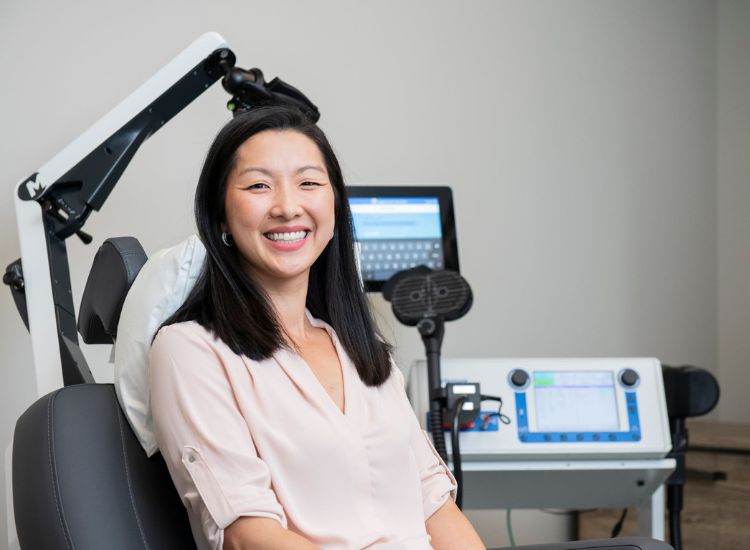
Numerous studies and clinical trials have confirmed that TMS has no known long-term negative side effects on brain structure or function. It does not cause memory loss, sedation, or personality changes.
In fact, some patients report lasting improvements in cognitive clarity, mood stability, and energy levels. Long-term success rates continue to rise, especially when patients commit to follow-up care and mental wellness practices.
What Patients Are Saying About TMS Side Effects
Here are a few anonymous quotes from Palmier TMS patients regarding their experiences:
“I had a mild headache after my first two sessions, but it quickly went away—and it was nothing compared to the side effects I had on antidepressants.”
“The tapping sensation felt strange at first, but by week two I barely noticed it. Totally worth it for the relief I felt.”
“TMS was the first thing that helped me without making me feel like a zombie. No weight gain, no nausea—just hope.”
FAQs: TMS Therapy Side Effects
Q: Is TMS therapy painful?
Not usually. You might feel a tapping or tingling sensation on your scalp, but it is not typically painful. Any discomfort usually fades after a few sessions.
Q: Can TMS therapy cause seizures?
While seizures are possible, they are extremely rare and occur in less than 0.1% of patients. A thorough screening process helps prevent this risk.
Q: Will TMS affect my memory?
No. TMS has not been shown to negatively affect memory or cognitive function. Some patients even report better mental clarity.
Q: What should I do if I get a headache from TMS?
Headaches can often be managed with over-the-counter pain relievers. Let your provider know if the issue persists.
Q: How long do side effects last?
Most side effects, if they occur, are temporary and improve within the first 1–2 weeks of treatment.
Q: Is TMS safer than antidepressants?
TMS does not carry the same systemic side effects (e.g., weight gain, sexual dysfunction, gastrointestinal issues) as medications and is generally considered safer for long-term use.
Conclusion: Be Informed, Not Afraid
Every medical treatment has risks, but the side effects of TMS therapy are typically mild, short-lived, and manageable—especially when compared to those associated with long-term antidepressant use.
If you’re dealing with treatment-resistant depression, anxiety, or another mood disorder, TMS could offer real relief without disrupting your life. At Palmier TMS, we guide you every step of the way to ensure safety, comfort, and peace of mind.
🌟 Are You Ready to Feel Like Yourself Again? 🌟
TMS therapy could be your turning point. With minimal side effects and lasting benefits, it’s a safe and effective solution for people who feel stuck in their mental health journey.
📍Visit us: 112 Chesterfield Commons East Rd, Chesterfield, MO 63005
📞Call: (314) 697-4867
📩Email: info@palmiertms.com
🌐Learn more or book a consultation at palmiertms.com
Take the first step toward lasting wellness. Your brighter future starts now—with Palmier TMS.
Related Sources for TMS Therapy Information and Side Effects
- Mayo Clinic – Transcranial Magnetic Stimulation (TMS)
- Overview, uses, risks, and patient experiences
- https://www.mayoclinic.org/tests-procedures/transcranial-magnetic-stimulation/about/pac-20384625
- National Institute of Mental Health (NIMH) – TMS for Depression
- Scientific background, efficacy, and clinical trials
- https://www.nimh.nih.gov/health/topics/brain-stimulation-therapies
- FDA – Transcranial Magnetic Stimulation (TMS) Devices
- FDA approval details and safety information
- https://www.fda.gov/medical-devices/neurological-devices/transcranial-magnetic-stimulation-devices
- Harvard Health Publishing – TMS for Depression: What You Need to Know
- Clear patient-friendly explanations of benefits and risks
- https://www.health.harvard.edu/mind-and-mood/transcranial-magnetic-stimulation-tms-for-depression
- Journal of Clinical Psychiatry – Safety and Tolerability of TMS in Depression
- Peer-reviewed study on side effects and long-term outcomes
- https://pubmed.ncbi.nlm.nih.gov/24117516/
- American Psychiatric Association (APA) – Practice Guideline for the Treatment of Patients with Major Depressive Disorder
- Professional guidelines referencing TMS as a treatment option
- https://psychiatryonline.org/pb/assets/raw/sitewide/practice_guidelines/guidelines/mdd.pdf
- Cochrane Review – Repetitive Transcranial Magnetic Stimulation for Depression
- Systematic review summarizing efficacy and adverse effects
- https://www.cochranelibrary.com/cdsr/doi/10.1002/14651858.CD008242.pub2/full