
TMS Therapy for Depression, Anxiety & OCD — Palmier TMS

Mental health challenges such as depression, anxiety, and obsessive-compulsive disorder (OCD) impact millions of people each year, often affecting daily functioning, relationships, and overall quality of life. While traditional treatments like medication and talk therapy can be beneficial, they don’t always work for everyone. Many individuals continue to struggle with persistent symptoms, leading to frustration and hopelessness. Fortunately, there’s a safe, effective, and FDA-approved alternative designed to bring renewed relief and balance—Transcranial Magnetic Stimulation (TMS) therapy.
At Palmier TMS, we specialize in helping patients overcome treatment-resistant mental health conditions through the power of advanced TMS therapy. Using targeted magnetic pulses, TMS gently stimulates specific areas of the brain responsible for mood regulation, helping restore healthy neural activity without the need for medication or invasive procedures.
With three convenient locations across Missouri, Palmier TMS makes access to high-quality mental health care easier and more compassionate. Our expert clinicians provide personalized treatment plans, ensuring each patient receives care tailored to their unique needs. In this comprehensive guide, we’ll explore everything you need to know about TMS therapy—how it works, the conditions it treats, its many benefits, and what to expect from your healing journey at Palmier TMS.
What Is TMS Therapy?
Transcranial Magnetic Stimulation (TMS) is a cutting-edge, non-invasive, and drug-free therapy designed to help individuals struggling with mood and anxiety disorders. It works by using gentle magnetic fields to stimulate specific regions of the brain involved in emotional regulation. One of the primary areas targeted is the prefrontal cortex, a region that often shows reduced activity in people experiencing depression, anxiety, or OCD.
Unlike traditional medications, which travel through the bloodstream and can cause unwanted side effects, TMS therapy delivers precise, localized stimulation directly to the brain. This targeted approach helps reactivate underperforming neural pathways, promoting healthy brain function and improving overall mood regulation. The treatment is painless, requires no anesthesia, and allows patients to return to their daily routines immediately after each session.
TMS therapy is FDA-approved for Major Depressive Disorder (MDD) and Obsessive-Compulsive Disorder (OCD), and it has been validated by numerous clinical studies for its safety and effectiveness. In addition to these conditions, TMS is increasingly used off-label to support individuals with Generalized Anxiety Disorder (GAD), Post-Traumatic Stress Disorder (PTSD), and Bipolar Depression, offering renewed hope for those who have not found success with traditional treatment methods.
How Does TMS Therapy Work?
The science behind Transcranial Magnetic Stimulation (TMS) is both fascinating and deeply reassuring. This advanced, non-invasive therapy uses gentle magnetic fields to stimulate precise areas of the brain responsible for mood regulation, particularly the prefrontal cortex. In individuals struggling with conditions like depression, anxiety, or OCD, these regions often show reduced activity.
By restoring healthy neural function, TMS helps rebalance brain activity and alleviate symptoms naturally—without medication or surgery. Each session is safe, painless, and guided by evidence-based neuroscience, ensuring patients receive the highest standard of care. Over time, TMS supports long-lasting emotional stability and improved overall well-being.
- Mapping the Brain
Your treatment begins with a mapping session, where your TMS specialist identifies the exact location and intensity needed to target your brain’s prefrontal cortex.
- Delivering Magnetic Pulses
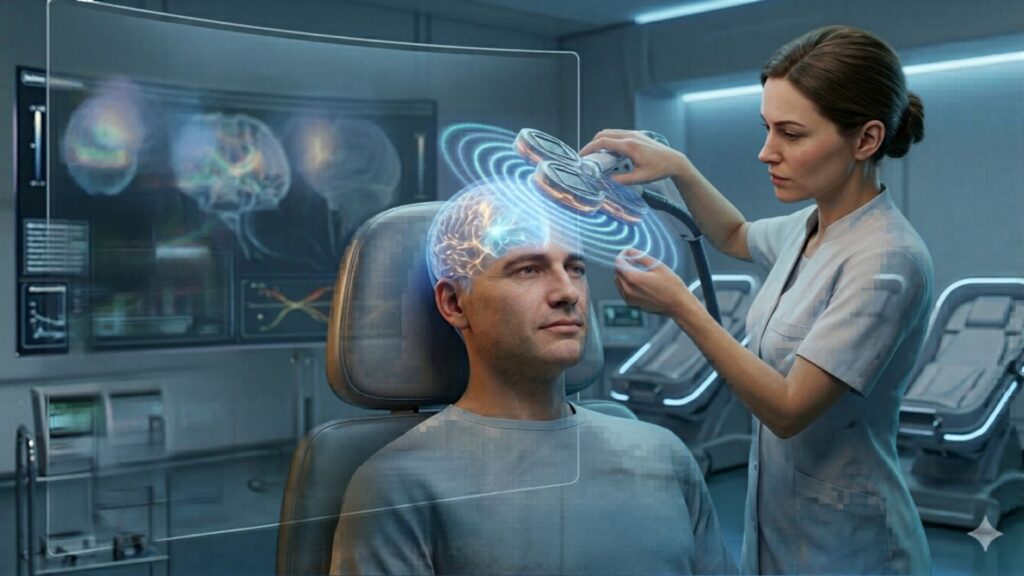
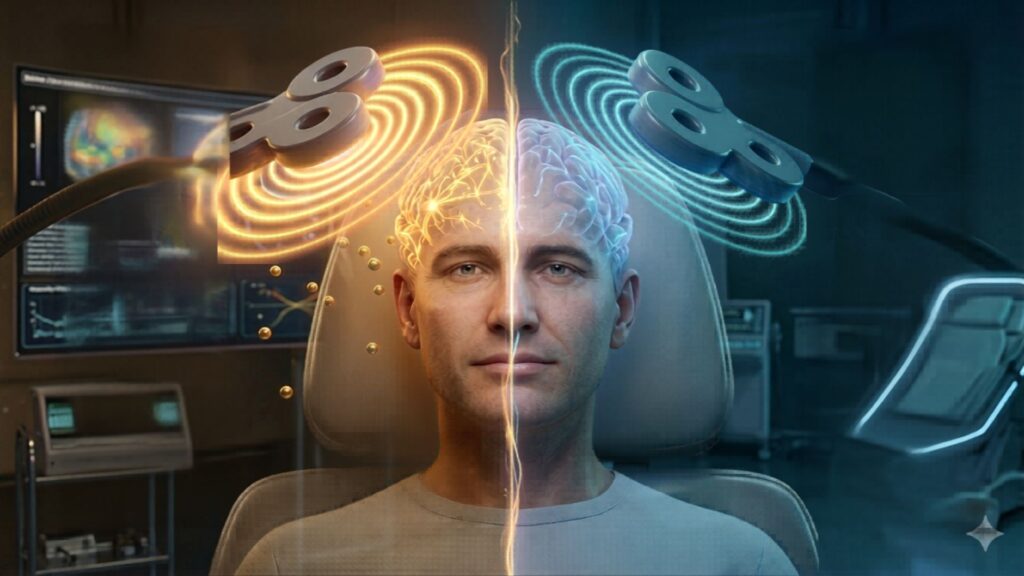
During each session, a magnetic coil placed near your scalp delivers gentle, repetitive magnetic pulses. These pulses stimulate brain cells and enhance neural connectivity in areas related to mood regulation.
- Neuroplasticity Activation
Over time, the stimulation promotes neuroplasticity—the brain’s ability to form new connections. This helps rewire unhealthy patterns of activity and restore balance in brain function.
- Gradual Symptom Improvement
Most patients begin to notice improvement in mood, energy, and focus after several sessions, with significant relief by the end of the treatment course.
What Conditions Can TMS Therapy Treat?
At Palmier TMS, we specialize in providing effective, non-invasive relief from a range of mental health conditions. Our personalized TMS therapy supports individuals struggling with depression, anxiety, OCD, and other mood disorders. Guided by expert clinicians, we focus on restoring balance, improving emotional well-being, and helping you regain control of your life.
1. Depression
Major Depressive Disorder (MDD) is one of the most common reasons people seek TMS therapy. Many individuals with depression do not respond fully to antidepressants or experience intolerable side effects.
TMS therapy offers a non-drug alternative that targets the root cause of depression—brain hypoactivity in mood-regulating regions—leading to meaningful and lasting improvement.
2. Anxiety Disorders
Anxiety can be debilitating, affecting every aspect of life. By targeting specific neural pathways involved in fear and stress regulation, TMS helps calm overactive brain regions, resulting in reduced anxiety symptoms, improved sleep, and better focus.
3. Obsessive-Compulsive Disorder (OCD)
For individuals with OCD, intrusive thoughts and compulsive behaviors can feel uncontrollable. TMS is FDA-approved for OCD and helps by modulating activity in the anterior cingulate cortex, a brain region linked to obsessive thoughts and compulsions.
4. Post-Traumatic Stress Disorder (PTSD)
Although not yet FDA-approved, many clinicians use TMS off-label to help those with PTSD. Stimulating areas of the brain associated with emotional regulation may reduce hyperarousal and improve emotional stability.
5. Bipolar Depression
TMS may be beneficial for patients with bipolar depression, particularly those who don’t tolerate medications well. The non-invasive stimulation can help balance mood swings and alleviate depressive episodes.
Key Benefits of TMS Therapy
Choosing TMS therapy at Palmier TMS offers numerous advantages for those seeking lasting relief from mental health challenges. Our non-invasive, FDA-approved treatment is drug-free and has minimal side effects. With personalized care, advanced technology, and expert guidance, we help patients experience improved mood, clarity, and overall well-being—safely and effectively.
- ✅ Non-invasive & Drug-Free: No anesthesia, surgery, or systemic side effects.
- ✅ FDA-Approved: Proven safe and effective for depression and OCD.
- ✅ Minimal Side Effects: Most patients experience only mild scalp tingling or discomfort.
- ✅ High Success Rate: Many experience significant symptom relief, even after years of treatment resistance.
- ✅ No Downtime: You can drive and return to normal activities immediately after each session.
- ✅ Personalized Care: Treatment is tailored to your unique brain mapping and needs.
What to Expect During TMS Treatment at Palmier TMS
At Palmier TMS, we strive to make your experience comfortable, supportive, and effective from start to finish. Our process begins with a thorough consultation, followed by a personalized treatment plan. Each session is gentle, non-invasive, and carefully monitored, ensuring you receive compassionate care and meaningful results throughout your healing journey.
Step 1: Comprehensive Consultation
You’ll meet with our clinical team to discuss your medical history, current symptoms, and treatment goals. We’ll determine whether TMS is right for you.
Step 2: Insurance Verification
Our team assists with insurance pre-authorization to ensure your treatment is covered. Most major insurance providers now recognize TMS as a medically necessary treatment.
Step 3: Personalized Treatment Plan
We’ll create a customized plan, typically involving five sessions per week over six weeks, with each session lasting about 20–40 minutes.
Step 4: Treatment Sessions
You’ll sit comfortably in a chair while a magnetic coil gently delivers pulses to targeted areas. You can relax, listen to music, or even meditate during the process.
Step 5: Progress Monitoring
Throughout your treatment, our clinicians monitor your progress closely, adjusting parameters as needed to optimize results.
Step 6: Completion & Maintenance
After completing your treatment series, many patients enjoy long-term remission. Booster sessions may be offered if needed.
Is TMS Therapy Right for You?
You may be a good candidate for TMS therapy if you’re struggling with depression, anxiety, or OCD that hasn’t improved with medication or therapy. Ideal candidates seek a non-invasive, drug-free treatment with minimal side effects. TMS offers hope for those ready to restore balance, improve mood, and reclaim emotional well-being.
- You’ve tried antidepressants or therapy without significant relief
- You experience side effects from medication
- You’re seeking a non-invasive, drug-free option
- You’re committed to attending regular sessions over several weeks
At Palmier TMS, we’ll conduct a detailed evaluation to determine if you’re an ideal candidate.
Safety and Side Effects
TMS therapy is considered extremely safe, with minimal side effects and no need for anesthesia or recovery time. The most common effects include mild scalp discomfort or slight headaches during initial sessions. These symptoms are temporary and typically fade as treatment progresses, allowing patients to continue daily activities without interruption.
- Mild scalp discomfort or headache (temporary)
- Tingling or tapping sensation during sessions
- Rarely, mild fatigue or lightheadedness
There is no memory loss, sedation, or cognitive impairment associated with TMS, making it an excellent alternative to electroconvulsive therapy (ECT).
Success Rates and Patient Outcomes
Clinical studies have shown TMS therapy to be highly effective in treating depression, anxiety, and other mood disorders. Many patients experience significant improvement in symptoms and overall quality of life. This evidence-based, non-invasive approach promotes lasting brain health, offering renewed hope for those who haven’t responded well to traditional treatments.
- Up to 70% of patients experience significant symptom improvement
- Around 50% achieve full remission from depressive symptoms
- Long-lasting results, with many maintaining improvement for a year or more
At Palmier TMS, we’ve seen countless patients regain their joy, energy, and confidence after completing treatment.
Why Choose Palmier TMS?
At Palmier TMS, your healing journey is guided by compassion, expertise, and advanced technology. What sets us apart is our personalized approach, attentive care, and commitment to your well-being. Our experienced team tailors each treatment to your needs, ensuring a supportive environment that fosters lasting relief, balance, and emotional transformation.
- Expert-Led Care: Our clinicians specialize in TMS and evidence-based mental health treatment.
- Personalized Approach: We tailor every protocol to your unique brain and symptoms.
- Patient-Centered Support: You’re never alone — our team walks with you every step of the way.
- Convenient Locations: Access care near you at our three Missouri clinics:
- Chesterfield: 112 Chesterfield Commons East Rd, Chesterfield, MO 63005
- Richmond Heights: 1505 S Big Bend Blvd, Richmond Heights, MO 63117
- Osage Beach (Ozarks): 5721 Osage Beach Parkway, Suite #300, Osage Beach, MO 65065
We’re proud to help Missourians overcome mental health challenges and rediscover life’s possibilities.
FAQs About TMS Therapy
1. Is TMS therapy painful?
No. Most patients describe it as a light tapping sensation on the scalp, which fades after the first few sessions.
2. How long is each TMS session?
Each session typically lasts 20 to 40 minutes, depending on the protocol.
3. How soon will I notice results?
Some patients feel better within 2–3 weeks, while others may take 4–6 weeks for full improvement.
4. Is TMS covered by insurance?
Yes, most insurance plans cover TMS for major depressive disorder and OCD. Our team helps with verification and approval.
5. Can I continue taking medications during TMS?
Yes. You can continue current medications unless otherwise advised by your provider.
6. What happens if my symptoms return?
Some patients benefit from booster sessions months or years later to maintain results.
Conclusion
If you’ve struggled with depression, anxiety, or OCD and haven’t found lasting relief through traditional treatments like medication or talk therapy, TMS therapy offers a new path forward. This innovative, non-invasive treatment is backed by science and proven to safely stimulate areas of the brain involved in mood regulation. By restoring healthy neural activity, TMS helps relieve symptoms and promote long-term emotional balance.
At Palmier TMS, we’re dedicated to helping you rediscover a life filled with clarity, peace, and purpose. Our compassionate team combines advanced brain technology with personalized care, ensuring each treatment plan is tailored to your unique needs and goals. From your initial consultation to your final session, you’ll receive expert guidance, continuous support, and a healing environment designed for comfort and success. With Palmier TMS by your side, you don’t have to face mental health challenges alone—we’re here to help you feel like yourself again.
Take the first step toward healing today!
Schedule your free consultation with Palmier TMS and discover how TMS therapy can transform your life.
Call or Text: 314-697-4867
Official Website: https://palmiertms.com
Our Missouri Locations:
- Chesterfield: 112 Chesterfield Commons East Rd. Chesterfield, MO 63005
- Richmond Heights: 1505 S Big Bend Blvd Richmond Heights, MO 63117
- Osage Beach (Ozarks): 5721 Osage Beach Parkway, Suite #300 Osage Beach, MO 65065
Your brighter tomorrow starts today — reach out to Palmier TMS and reclaim your mental wellness!