

TMS Therapy for Anxiety: Finding Calm Without Medication
Anxiety can feel overwhelming, interfering with work, relationships, and daily life. While medications and talk therapy are common treatments, they don’t work for everyone and can have unwanted side effects. Transcranial Magnetic Stimulation (TMS) therapy is emerging as a safe, effective, and non-invasive option for managing anxiety and restoring emotional balance.
At Palmer TMS & Behavioral Health, we offer TMS therapy to help patients achieve long-lasting relief without the need for daily medications.
Understanding Anxiety and Its Impact
Anxiety disorders affect millions of adults worldwide, causing symptoms such as:
- Excessive worry or fear
- Racing thoughts and restlessness
- Difficulty sleeping or concentrating
- Physical symptoms like heart palpitations or muscle tension
Left untreated, anxiety can worsen over time, leading to burnout, depression, or decreased quality of life.
How TMS Therapy Targets Anxiety
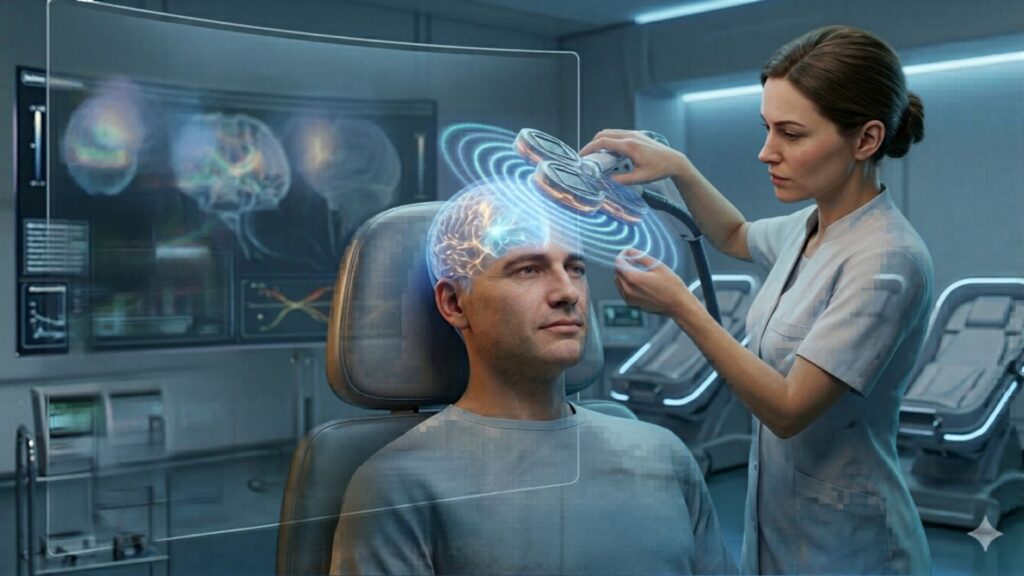
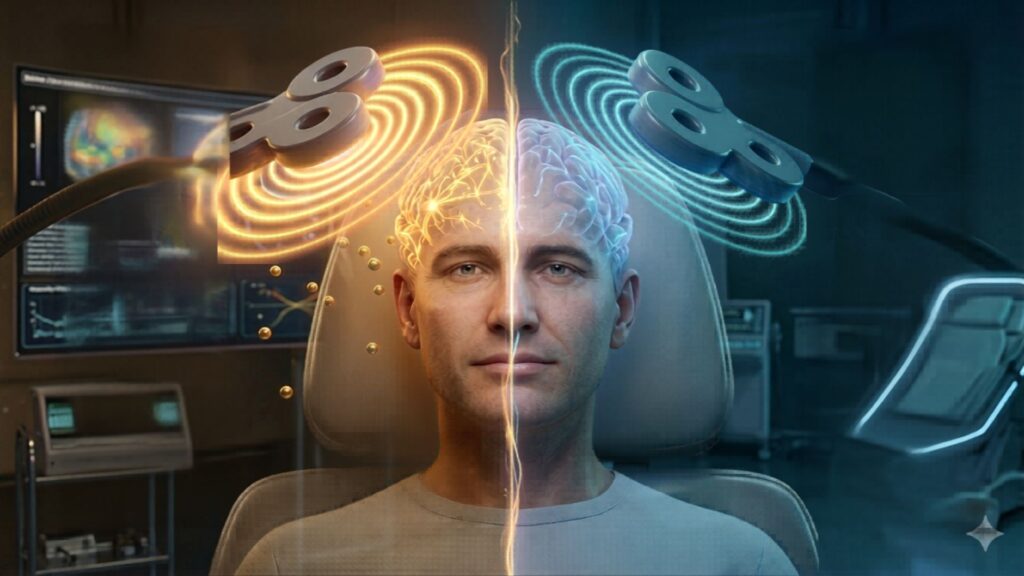
TMS therapy uses a magnetic coil placed near the scalp to deliver gentle pulses to targeted brain regions. These pulses stimulate neurons in areas associated with emotional regulation and stress response, helping the brain “reset” its activity patterns.
Key benefits of TMS for anxiety:
- Non-invasive: No surgery, anesthesia, or invasive procedures required.
- Drug-free: Avoids the side effects often associated with anti-anxiety medications.
- Clinically supported: Studies show TMS can reduce anxiety symptoms and improve emotional resilience.
By addressing the underlying neural activity, TMS targets the root of anxiety rather than just masking symptoms.
Benefits of TMS Therapy for Anxiety
1. Reduces Anxiety Symptoms
Patients often report noticeable reductions in worry, restlessness, and tension after a few weeks of TMS therapy.
2. Improves Emotional Regulation
TMS strengthens brain circuits involved in controlling mood and emotional responses, helping patients manage stress more effectively.
3. Enhances Sleep and Focus
By calming overactive neural pathways, TMS can improve sleep quality, concentration, and overall cognitive function.
4. Minimal Side Effects
Most patients experience only mild scalp tingling or brief headaches, making TMS a safe and tolerable option.
5. Long-Term Relief
Many patients maintain symptom improvement for months after completing a full course of TMS therapy.
Who Can Benefit from TMS Therapy for Anxiety?
TMS is ideal for individuals who:
- Have generalized anxiety disorder (GAD) or social anxiety
- Experience treatment-resistant anxiety
- Prefer a non-medication approach
- Want to complement existing therapy or counseling
What to Expect During TMS Therapy
- Initial Consultation: A licensed provider evaluates suitability and creates a personalized treatment plan.
- Treatment Sessions: Each session lasts 20–40 minutes, typically scheduled 5 days per week for 4–6 weeks.
- Ongoing Monitoring: Providers track symptom improvement and adjust treatment as needed.
Patients often notice improvements within 2–4 weeks, with full benefits after completing the treatment course.
Combining TMS with Lifestyle Strategies
For optimal results, TMS therapy can be paired with:
- Mindfulness and meditation exercises
- Regular physical activity
- Healthy sleep routines
- Cognitive-behavioral therapy (CBT) or counseling
This holistic approach maximizes the therapy’s impact on mental wellness.
Real Patient Experiences
- “After months of trying medications, TMS finally gave me relief. I feel calmer and more in control of my thoughts.”
- “TMS was easy to fit into my schedule, and the results were noticeable within weeks.”
- “I finally sleep better, and my anxiety doesn’t control my day anymore.”
These stories highlight TMS as a transformative tool for anxiety management.
Frequently Asked Questions (FAQs)
Q1: Is TMS therapy safe for anxiety?
Yes. TMS is FDA-cleared for depression and widely used for anxiety with minimal side effects.
Q2: How long does a session take?
Sessions typically last 20–40 minutes, depending on the treatment plan.
Q3: How soon will I see results?
Many patients notice improvement after 2–4 weeks, with full benefits after the full treatment course.
Q4: Can TMS be combined with other treatments?
Absolutely. TMS works well alongside therapy, lifestyle changes, and medications if needed.
Conclusion
TMS therapy offers a safe, effective, and drug-free solution for managing anxiety. By targeting the brain’s neural circuits, TMS reduces symptoms, improves emotional regulation, and enhances overall well-being.
If anxiety is affecting your life, taking the first step toward TMS therapy can be life-changing. At Palmer TMS & Behavioral Health, we provide personalized care to help you achieve lasting calm and mental wellness.
Schedule a consultation today to learn how TMS therapy can help you manage anxiety and reclaim control of your life.