

TMS Success Stories: Real People, Real Relief from Depression
Depression can feel like a never-ending tunnel—dark, isolating, and exhausting. For many, medications and therapy bring only limited relief, often with unwanted side effects. That’s why Transcranial Magnetic Stimulation (TMS) has become a game-changer. This FDA-approved, non-invasive treatment offers new hope for those who haven’t found success with traditional approaches.
At Palmier TMS, we’ve seen firsthand how TMS can transform lives. Patients who once felt hopeless are now reconnecting with joy, purpose, and stability. In this article, we’ll share real-life success stories from individuals who’ve experienced remarkable improvement with TMS. You’ll also learn exactly how the treatment works, what sessions feel like, and what kind of results to realistically expect.
If you or a loved one is struggling with treatment-resistant depression, know that there are still options—and hope. Let these stories and insights guide you toward a brighter, more balanced future. You don’t have to walk this path alone.
What Is TMS?
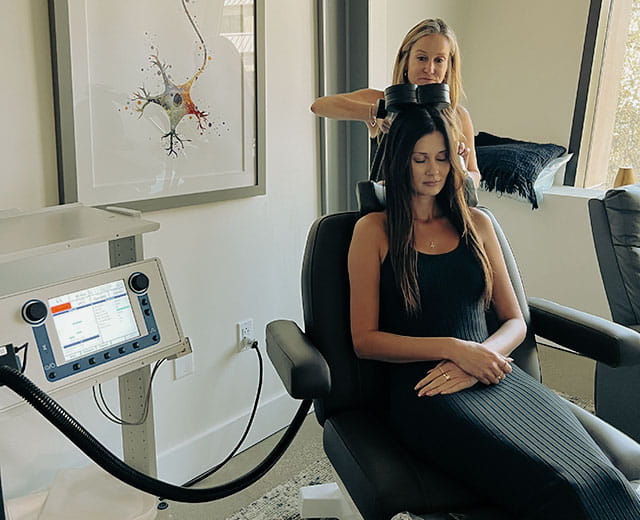
Transcranial Magnetic Stimulation (TMS) is an FDA-approved, non-invasive treatment designed to help individuals struggling with Major Depressive Disorder (MDD) and other mood-related conditions. TMS offers hope for people who haven’t experienced success with antidepressants, talk therapy, or other conventional treatments. It works by using magnetic fields to stimulate nerve cells in the brain—specifically targeting the left dorsolateral prefrontal cortex, an area often underactive in individuals with depression.
During a TMS session, a magnetic coil is gently placed against the scalp. This coil delivers rapid, focused pulses that activate neurons in the targeted brain region. Over time, this stimulation helps restore normal brain function and improve emotional regulation. Because TMS focuses directly on brain activity, it avoids the systemic side effects often associated with medication, such as weight gain, fatigue, or sexual dysfunction.
TMS requires no anesthesia, no recovery time, and doesn’t interfere with daily life. Most patients remain awake and alert during the 20–40 minute sessions and can resume normal activities immediately afterward. With a strong safety profile and growing clinical evidence, TMS has become a trusted, effective treatment option for patients seeking relief from depression when other approaches haven’t worked. It’s both science-backed and life-changing
TMS is ideal for individuals who:
- Haven’t responded well to antidepressants or therapy
- Prefer non-drug treatment options
- Experience side effects from medications
- Want a long-term solution for managing depression
How TMS Works

TMS therapy, or Transcranial Magnetic Stimulation, uses a small electromagnetic coil placed gently on the scalp to deliver focused, repetitive magnetic pulses to specific regions of the brain. These magnetic pulses stimulate neural activity in areas associated with mood, sleep, and cognitive function—particularly the left dorsolateral prefrontal cortex, which is often underactive in individuals with depression. By restoring function to these regions, TMS helps improve mood and emotional regulation without the widespread impact on the body that medications can have.
Unlike antidepressants, which circulate through your entire system and often lead to side effects like weight gain, sexual dysfunction, drowsiness, or gastrointestinal issues, TMS offers a targeted, localized treatment with minimal side effects. Most patients remain fully awake during the 20–40 minute sessions, and there is no need for sedation or recovery time. You can return to work or your regular daily activities immediately after each appointment.
TMS is FDA-approved, non-invasive, and well-tolerated by the majority of patients. It’s especially effective for individuals who haven’t found relief through traditional therapies. At Palmier TMS, we offer a personalized approach to ensure each patient receives safe, effective care in a supportive environment. TMS is more than a treatment—it’s a path toward lasting mental wellness.
Treatment Timeline:
- Sessions: Typically 5 days per week for 4–6 weeks
- Duration: Each session lasts 20–40 minutes
- Comfort: Non-invasive, no anesthesia, minimal side effects
Real Success Stories from Palmier TMS
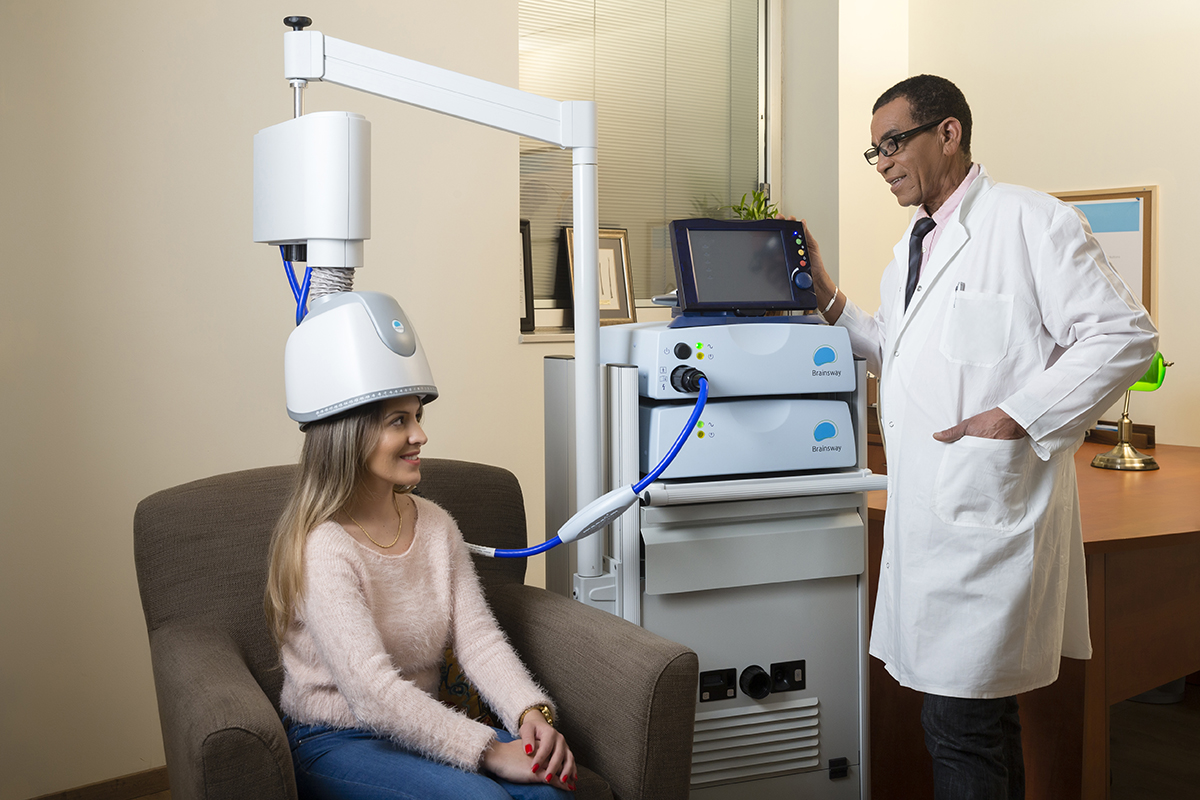
At Palmier TMS, we’ve witnessed firsthand the powerful impact TMS therapy can have on people’s lives. Many of our patients come to us after years of battling depression—exhausted from trying medication after medication, with little to no improvement. TMS often becomes the turning point. One patient, after struggling through five different antidepressants, began smiling and engaging with life again just weeks into treatment. Another described feeling “clear-headed” for the first time in over a decade, finally free from the mental fog that had defined their daily life.
We’ve also helped young professionals who had nearly given up on ever feeling normal again. After completing a full course of TMS, one patient reported having the motivation and emotional stability to return to work, reconnect with loved ones, and genuinely enjoy life again. These anonymized stories are just a few examples of what we see every day.
TMS is more than a treatment—it’s a lifeline for those who have run out of options. It’s a scientifically backed, safe, and effective way to reboot your brain and restore hope. At Palmier TMS, we’re honored to guide our patients every step of the way on their journey to lasting mental wellness.
🌟 Emily’s Story: A New Chapter After 15 Years of Depression
Background: Emily had struggled with severe depression since her late teens. Antidepressants left her feeling numb and disconnected, while therapy provided little progress.
Before TMS: Emily often felt paralyzed by sadness and anxiety. She stopped socializing and found it hard to get out of bed.
After TMS: Within three weeks, Emily began to notice a shift. Her thoughts became clearer, her energy returned, and by week five, she was enjoying time with her family again.
Quote from Emily:
“TMS gave me back my identity. It didn’t mask the symptoms—it helped me heal from the inside out
🌟 Marcus’s Journey: From Suicidal Thoughts to Hopeful Mornings
Background: Marcus, a military veteran, dealt with PTSD and treatment-resistant depression. Medications failed, and he feared there was no way out.
Before TMS: Nightmares, low motivation, and emotional numbness dominated his daily life. He had tried multiple medications without results.
After TMS: Gradually, his suicidal thoughts faded. He began waking up with a sense of purpose, reconnected with loved ones, and returned to school to finish his degree.
Quote from Marcus:
“It was the first time I felt hope in years. TMS didn’t just save me—it gave me a future worth living for.”
🌟 Sarah’s Experience: Depression After Postpartum Recovery
Background: Sarah developed postpartum depression after the birth of her second child. She was hesitant to take medication while breastfeeding.
Before TMS: She felt isolated, overwhelmed, and unable to bond with her baby. Days blurred into nights, and every task felt exhausting.
After TMS: She began to feel lighter and more connected emotionally. By the end of her TMS treatment, she described feeling “herself again.”
Quote from Sarah:
“I finally felt like I could breathe again. TMS helped me enjoy motherhood instead of fearing it.”
Why These Stories Matter
These are not just clinical results—they are life-changing transformations. Each story reflects the power of TMS to restore hope, energy, and emotional clarity in individuals who once felt stuck and defeated. These outcomes aren’t limited to charts or symptom scales—they represent real people regaining joy, reconnecting with loved ones, and reclaiming their lives. TMS stands out because it offers a safe, non-invasive, and effective alternative when traditional treatments fall short. At Palmier TMS, we’ve seen the profound difference this therapy can make, and we’re committed to helping more patients experience these same powerful breakthroughs.
✅ Drug-free
✅ Non-invasive
✅ Minimal side effects
✅ Long-lasting relief
✅ Clinically proven
And most importantly: TMS helps you reclaim your life.
Common Conditions Treated with TMS
While depression is the most common indication, TMS is also showing promising results in treating other mental health and neurological conditions. Research has found positive outcomes for individuals struggling with anxiety disorders, obsessive-compulsive disorder (OCD), post-traumatic stress disorder (PTSD), and even chronic pain syndromes like fibromyalgia. In some cases, TMS is being explored for cognitive disorders, such as Alzheimer’s disease, due to its ability to stimulate underactive brain regions. While not all of these uses are FDA-approved yet, the early data is encouraging. At Palmier TMS, we stay current with the latest research to offer the most informed care possible.
- Anxiety disorders
- Obsessive-Compulsive Disorder (OCD)
- Post-Traumatic Stress Disorder (PTSD)
- Bipolar depression (in some cases)
- Chronic pain and fibromyalgia
- Addiction and smoking cessation (experimental uses)
What to Expect During TMS Treatment
Here’s a week-by-week breakdown of what most patients experience during TMS treatment. In the first week, patients often notice minimal changes, though some report improved sleep or slight mood shifts. By weeks two to three, subtle improvements in energy, focus, or emotional stability may appear. Around week four, many patients begin feeling more consistent relief from depressive symptoms. By weeks five to six, the changes are typically more noticeable and lasting—improved mood, reduced anxiety, and better daily functioning. Every journey is unique, but this timeline offers a general idea of what to expect as your brain responds to the therapy:
Week 1–2:
- Initial adjustment to magnetic pulses
- Mild headaches or scalp discomfort may occur
- Subtle changes in mood or energy levels
Week 3–4:
- Noticeable improvements in mood, sleep, and motivation
- Emotional breakthroughs
- Enhanced clarity and focus
Week 5–6:
- Major symptom relief for most patients
- Strengthened relationships and routines
- Feeling “normal” again becomes the new reality
The Science Behind the Success
Clinical studies have shown that TMS is effective in up to 70% of patients with treatment-resistant depression, meaning a significant majority experience noticeable symptom relief. Even more compelling, 30–40% of those patients achieve full remission—where depressive symptoms disappear entirely. These outcomes are especially meaningful for individuals who’ve tried multiple medications or therapies without success. TMS offers a non-invasive, drug-free alternative with proven results. At Palmier TMS, we’ve seen these statistics come to life through real patient transformations. With consistent sessions and expert care, many find the breakthrough they’ve been searching for—and a renewed sense of hope for lasting wellness.
Why TMS Works:
- Neuroplasticity: TMS helps retrain the brain to form healthier neural connections.
- Precision: TMS targets specific brain regions, unlike medications that affect the entire body.
- Consistency: Daily sessions allow consistent stimulation and stronger results over time.
FAQs About TMS Therapy
Q: Is TMS safe?
Yes. TMS is FDA-approved and considered safe for most adults. It is non-invasive and drug-free.
Q: Are there any side effects?
Most side effects are mild and short-lived. The most common are scalp discomfort or headache during the first few sessions.
Q: How long does it take to see results?
Many patients report improvements within 2–4 weeks. Full benefits are often seen after completing the full treatment course.
Q: Does insurance cover TMS?
Yes. Most major insurance providers, including Medicare, cover TMS for depression when certain conditions are met. Our team at Palmier TMS will help verify your benefits.
Q: What if TMS doesn’t work for me?
While not everyone responds, many patients experience significant relief even after years of unsuccessful treatments. If results are not sufficient, we can explore maintenance sessions or alternative strategies.
Conclusion: There Is Hope
Depression doesn’t have to be a life sentence. If you’ve tried multiple antidepressants with little relief or are searching for a medication-free alternative, Transcranial Magnetic Stimulation (TMS) offers real, lasting results. It’s a proven, non-invasive treatment that targets the root of depression by stimulating the areas of the brain responsible for mood regulation—without the side effects of traditional medications.
At Palmier TMS, we’ve seen firsthand how TMS can change lives. Patients like Emily, Marcus, and Sarah came to us after years of struggling with depression, and today, they’re thriving. Whether it was regaining the energy to work, reconnecting with loved ones, or simply feeling joy again, their stories are powerful reminders that healing is possible.
You don’t have to walk this journey alone. If depression has taken too much from you, it’s time to try something different. TMS might just be the breakthrough you’ve been waiting for.
Ready to Start Your Journey to Recovery?
At Palmier TMS, we are more than a treatment center—we’re your partner in healing. Our experienced team provides personalized care in a welcoming, compassionate environment. Whether you’re battling long-term depression or searching for answers, we’re here to help.
📍Visit us: 112 Chesterfield Commons East Rd, Chesterfield, MO 63005
📞Call: (314) 697-4867
📩Email: info@palmiertms.com
🌐Learn more or book a consultation at palmiertms.com
✨ Don’t let depression define you. Your success story starts here—with Palmier TMS.
Related Stories and Sources:
1. Mayo Clinic – TMS Therapy: Overview and Patient Stories
Link: Mayo Clinic TMS Overview
Mayo Clinic provides a thorough explanation of TMS, including patient testimonials describing their experiences and outcomes with the therapy.
2. National Institute of Mental Health (NIMH) – TMS and Depression
Link: NIMH on TMS
This government resource details the science behind TMS and includes references to clinical trials where patient outcomes are highlighted.
3. Harvard Health Publishing – TMS and Depression
Link: Harvard Health TMS Article
An article explaining the clinical research and patient experiences with TMS, highlighting cases where patients saw remarkable improvements.