

Motherhood is often depicted as one of life’s most beautiful experiences. However, the emotional reality for many mothers includes stress, anxiety, fatigue, and in some cases, postpartum depression (PPD). Postpartum depression is a serious mental health condition that affects not only the mother but also infant development, family relationships, and long-term emotional stability within the household.
In recent years, medical science has introduced innovative treatments that provide hope for women who do not respond well to traditional antidepressant medications. One of the most promising therapies is Transcranial Magnetic Stimulation (TMS), a non-invasive, medication-free treatment option that is helping mothers regain emotional balance and improve quality of life.
Palmier TMS is dedicated to providing compassionate, advanced neurological care for mothers struggling with postpartum depression. If you are experiencing emotional struggles after childbirth, you are not alone. Help is available, and recovery is possible.
Understanding Postpartum Depression in Modern Society
Postpartum depression is more than emotional sensitivity after childbirth. While many new mothers experience the “baby blues,” which typically resolve within two weeks, postpartum depression is more severe, persistent, and emotionally disabling. PPD can interfere with daily functioning, work responsibilities, and personal relationships. It may also affect a mother’s ability to care for herself, bond with her baby, and maintain emotional stability. Postpartum depression is recognized as a serious clinical mood disorder caused by biological, psychological, and environmental factors. Professional treatment, emotional support, and medical intervention are essential rather than expecting mothers to recover through willpower alone. Early diagnosis improves recovery outcomes.
Emotional and Psychological Impact of PPD
Postpartum depression can create overwhelming emotional distress. Many mothers report feeling disconnected from their newborns or experiencing intense guilt about their inability to feel happiness after childbirth.
Society often places unrealistic expectations on mothers, creating pressure to appear joyful and fulfilled immediately after birth. This stigma can prevent mothers from seeking treatment early, allowing symptoms to worsen over time.
Mental health professionals emphasize that postpartum depression is a medical condition influenced by biological and environmental factors rather than personal weakness.
Symptoms of Postpartum Depression
Recognizing symptoms early is critical for successful treatment and faster recovery from postpartum depression. Symptoms may include persistent sadness, anxiety, irritability, frequent mood swings, chronic fatigue, and sleep disturbances. Many mothers experience loss of interest in activities they once enjoyed, difficulty bonding with their baby, appetite changes, excessive guilt, hopelessness, emotional numbness, and poor concentration. In severe cases, postpartum depression may include overwhelming panic, intrusive negative thoughts, feelings of worthlessness, and thoughts of self-harm or harming the baby. Seeking professional mental health support early can help manage symptoms, improve emotional stability, strengthen maternal confidence, and promote healthier mother–child bonding.
Emotional Symptoms
- Persistent sadness or emptiness
- Crying without clear cause
- Irritability or mood swings
- Feelings of hopelessness
Cognitive Symptoms
- Difficulty concentrating
- Memory problems
- Negative thoughts about motherhood
Behavioral Symptoms
- Withdrawal from family and friends
- Loss of interest in activities
- Difficulty bonding with the baby
Physical Symptoms
- Chronic fatigue
- Sleep disturbances
- Appetite changes
- Headaches or body aches
In severe cases, postpartum depression can include thoughts of self-harm or harm toward the baby. These symptoms require immediate medical intervention.
Causes and Risk Factors of Postpartum Depression
Postpartum depression does not have a single cause. Instead, it develops from a complex interaction between biological, psychological, and environmental factors. Hormonal changes after childbirth can significantly affect mood regulation. Sleep deprivation from newborn care can worsen emotional instability and anxiety. Emotional stress, genetic vulnerability, and a history of depression or trauma also increase risk. Social isolation, relationship pressures, financial concerns, and major lifestyle adjustments after childbirth can further contribute to emotional vulnerability. Each mother’s experience is unique, and multiple risk factors may combine to trigger postpartum depression. Understanding these causes helps promote early detection, compassionate care, and effective treatment planning for recovery.
Hormonal Changes After Childbirth
After delivery, estrogen and progesterone levels drop rapidly. These hormonal shifts can trigger mood instability, especially in women with a history of depression.
Sleep Deprivation
Newborn care requires frequent nighttime feeding and attention. Chronic sleep loss can worsen anxiety, emotional instability, irritability, poor concentration, mood swings, weakened immunity, and overall mental and physical exhaustion.
History of Mental Health Disorders
Women with previous depression, anxiety, or trauma histories are at higher risk of postpartum depression, emotional instability, severe mood changes, heightened stress response, and prolonged recovery challenges after childbirth.
Social Isolation
New mothers lacking strong social or family support systems may experience higher stress levels, loneliness, anxiety, emotional exhaustion, reduced confidence, and greater difficulty coping with postpartum mental health challenges.
Financial and Relationship Stress
Changes in household responsibilities and financial pressures can increase emotional vulnerability, stress, anxiety, emotional fatigue, relationship strain, and feelings of overwhelm, especially during postpartum recovery and new parenting adjustments.
Traditional Treatment Methods for Postpartum Depression
Treatment for postpartum depression often begins with traditional mental health approaches such as psychotherapy, counseling, and cognitive behavioral therapy (CBT), which help mothers identify and manage negative thoughts and emotions. Medication management may be recommended when symptoms are moderate to severe. Lifestyle improvements like regular exercise, healthy nutrition, and better sleep routines also support recovery. Emotional support from family and friends plays an important role in healing. Stress reduction techniques such as mindfulness and relaxation exercises help improve mood stability. Regular monitoring by mental health professionals ensures treatment effectiveness, prevents symptom worsening, and promotes long-term emotional wellness and healthy mother–child relationships during recovery.
Talk Therapy
Cognitive behavioral therapy (CBT) helps patients identify and challenge negative thought patterns, replace harmful beliefs with healthier thinking, improve emotional regulation, reduce anxiety, and promote positive behavioral and psychological changes.
Medication
Antidepressants are sometimes prescribed. However, some mothers cannot tolerate medication side effects or are concerned about breastfeeding safety.
Lifestyle Changes
Doctors may recommend:
- Exercise programs
- Balanced nutrition
- Stress management techniques
While effective, these treatments do not work for every patient. This is where TMS therapy becomes especially valuable.
What Is Transcranial Magnetic Stimulation (TMS)?
Transcranial Magnetic Stimulation is an FDA-approved treatment for depression that uses magnetic pulses to stimulate specific brain regions involved in mood regulation.
Unlike medication-based therapies, TMS directly targets neurological pathways associated with depressive symptoms.
TMS is particularly useful for treatment-resistant depression, meaning patients who have tried multiple medications without success.
At Palmier TMS, treatment is performed using advanced medical equipment under professional supervision.
How TMS Therapy Works
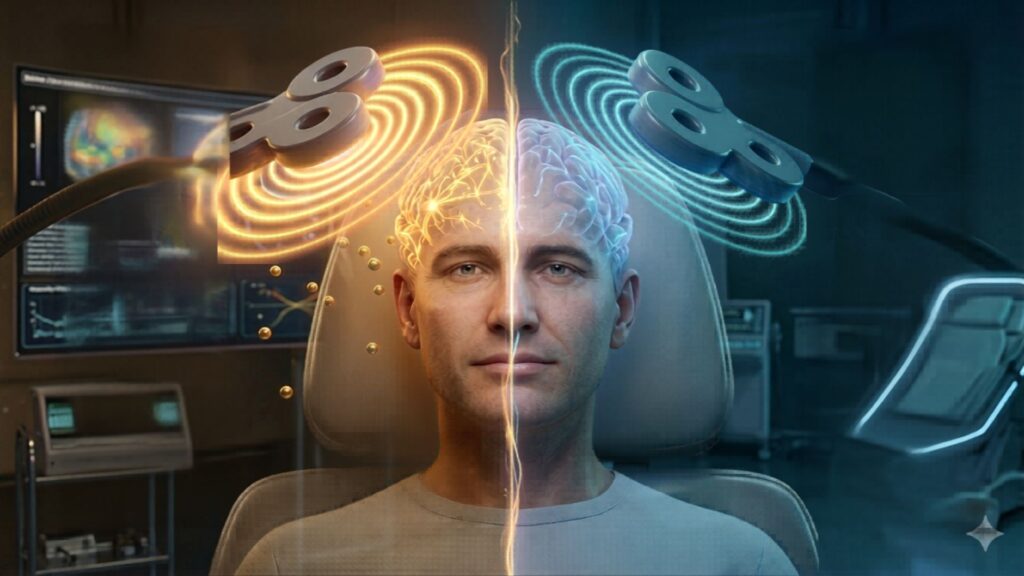
TMS therapy uses electromagnetic coils placed near the scalp to stimulate nerve cells in the brain’s prefrontal cortex, an area responsible for mood regulation and emotional control. These magnetic pulses help improve brain activity patterns associated with depression. By enhancing neural communication, TMS therapy can reduce symptoms of postpartum depression, anxiety, and emotional instability. The treatment is non-invasive and does not require anesthesia or surgery. Many patients remain awake and comfortable during sessions. Over time, TMS supports healthier emotional and cognitive function, improves focus, reduces negative thinking patterns, and helps restore mental balance for mothers experiencing postpartum depression symptoms and treatment-resistant depression.
This area of the brain is responsible for:
- Emotional regulation
- Decision-making
- Stress response
The magnetic pulses help restore normal brain activity patterns associated with depression.
Each session typically lasts between 20 and 40 minutes, allowing patients to return to daily activities immediately after treatment.
Benefits of TMS Therapy for Mothers
Non-Invasive Treatment Option
TMS does not require surgery or anesthesia.
Safe for Breastfeeding Mothers
Since TMS does not involve medication, it is often considered safe for mothers who are breastfeeding.
Minimal Side Effects
Most patients experience only mild discomfort, such as scalp tingling or light headaches.
High Success Rates
Clinical studies show significant symptom reduction in many patients who complete full treatment courses.
Personalized Treatment
Treatment plans are adjusted based on patient response.
Why Choose Palmier TMS for Postpartum Depression Treatment?
Palmier TMS focuses on compassionate, patient-centered neurological care. Their team understands the emotional challenges mothers face and strives to provide a comfortable treatment environment.
Their Missouri clinics offer convenient access to advanced mental health care.
📍 Chesterfield
112 Chesterfield Commons East Rd.
Chesterfield, MO 63005
📍 Richmond Heights
1505 S Big Bend Blvd
Richmond Heights, MO 63117
📍 Osage Beach (Ozarks)
5721 Osage Beach Parkway, Suite #300
Osage Beach, MO 65065
Patients receive personalized assessments and customized treatment programs.
What to Expect During TMS Treatment
The treatment process is straightforward, beginning with a consultation, medical evaluation, and personalized treatment planning based on individual symptoms and medical history. Patients then attend regular TMS therapy sessions, usually lasting about 20 to 40 minutes each. During treatment, patients remain awake, relaxed, and comfortable while magnetic pulses are delivered to targeted brain areas. Healthcare professionals continuously monitor patient progress to ensure safety and effectiveness. Treatment protocols may be adjusted based on response and symptom improvement. Regular sessions help reduce postpartum depression symptoms, improve mood stability, support emotional recovery, and promote long-term mental wellness through structured, non-invasive neurological therapy.
Initial Consultation
Doctors evaluate medical history, symptoms, and treatment goals.
Brain Mapping
Technicians identify the precise brain region to target.
Treatment Sessions
Patients undergo daily sessions over several weeks.
Progress Monitoring
Medical staff track emotional improvements and adjust treatment if needed.
Patients can relax, listen to music, or even meditate during treatment.
Supporting Mothers Through Recovery
Family and social support play an essential role in postpartum depression recovery by providing emotional comfort, practical assistance with childcare, and help with household responsibilities. Supportive family members and friends can encourage mothers to seek professional treatment and stay consistent with therapy. Strong social connections help reduce feelings of isolation, loneliness, and emotional overwhelm. Positive support systems also help improve self-confidence, reduce stress levels, and promote emotional resilience during the postpartum adjustment period. Encouragement, understanding, and patience from loved ones contribute to faster emotional healing, better mental stability, improved mother–baby bonding, and overall healthier postpartum recovery outcomes for new mothers.
Partners can help by:
- Assisting with household responsibilities
- Providing emotional reassurance
- Encouraging therapy participation
Friends and relatives should avoid minimizing symptoms and instead offer empathy and practical help.
Long-Term Mental Health Strategies for Mothers
Postpartum recovery often involves lifestyle improvements such as regular exercise, balanced nutrition, proper sleep routines, stress management techniques, mindfulness practices, social support engagement, and maintaining consistent mental health care to promote emotional stability and overall well-being.
Exercise
Physical activity helps regulate mood hormones.
Nutrition
Balanced diets support brain health.
Mindfulness Practices
Meditation and breathing exercises reduce anxiety.
Sleep Hygiene
Consistent sleep routines improve emotional stability.
Overcoming Stigma Around Postpartum Depression
Many mothers avoid seeking help due to fear of judgment. However, postpartum depression is a medical condition, not a personal failure. Early treatment improves recovery outcomes, strengthens maternal mental health, supports healthy child development, improves bonding, and reduces long-term emotional and psychological complications.
Scientific Research Supporting TMS
Medical research shows TMS can improve depression symptoms by stimulating neural plasticity, allowing the brain to form healthier emotional response patterns over time. Psychiatrists increasingly recommend TMS for patients who cannot tolerate medication treatments due to side effects, breastfeeding concerns, or poor response to traditional antidepressants.
When to Seek Emergency Help
Seek immediate help if you experience:
- Thoughts of harming yourself
- Thoughts of harming your baby
- Severe emotional distress
Contact emergency medical services or mental health hotlines immediately.
Frequently Asked Questions (FAQs)
Is TMS painful?
No. Patients typically feel light tapping sensations during treatment.
How long does TMS therapy take?
Most treatment programs last 4–6 weeks.
Does insurance cover TMS?
Many insurance providers offer coverage. Contact your provider for details.
Can TMS treat anxiety and depression together?
Yes. Many patients experience improvements in both conditions.
Is TMS better than medication?
It depends on individual medical history. Some patients benefit from combination approaches.
What if symptoms return after treatment?
Maintenance sessions may be recommended.
Conclusion
Postpartum depression is a serious but treatable mental health condition that requires understanding, compassion, and professional care. Early detection, proper treatment options like TMS therapy, and strong emotional support systems can significantly improve recovery outcomes. Mothers should never feel ashamed to seek help because postpartum depression is a medical condition, not a personal failure. With advanced therapies, lifestyle improvements, and family support, mothers can regain emotional stability, improve bonding with their babies, and restore overall well-being. Prioritizing mental health ensures healthier families, stronger relationships, and better long-term emotional development for both mothers and children during the postpartum recovery journey.
If you or someone you love is experiencing postpartum depression, take the first step toward recovery today.
📞 Call or Text: 314-697-4867
🌐 Visit Official Website: https://palmiertms.com
📍 Visit any Palmier TMS Missouri location for professional consultation.
Your mental health matters. Your family matters. Your future matters.