
Safety, Side Effects & Myths About TMS Therapy
Transcranial Magnetic Stimulation (TMS) therapy is a groundbreaking, non-invasive treatment that has transformed the way depression and other mental health conditions are managed. Over the past decade, it has gained widespread recognition for its effectiveness, safety, and minimal side effects, offering hope to individuals who have not responded well to traditional treatments like medication or psychotherapy.
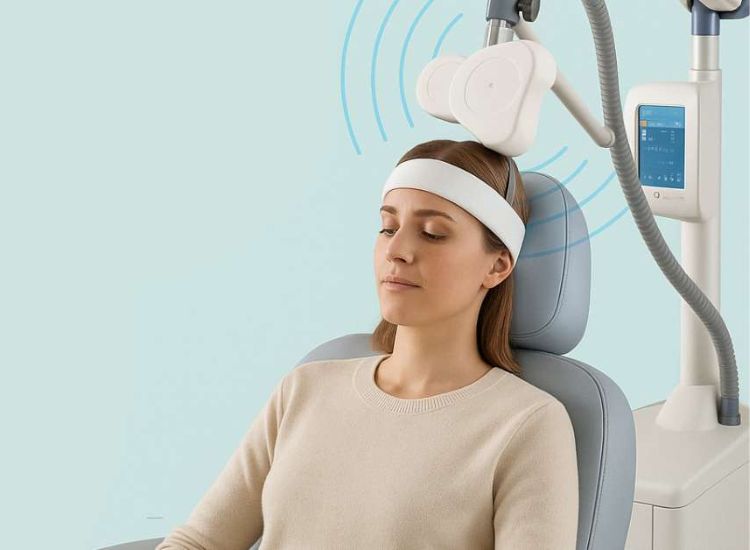
TMS works by using magnetic fields to stimulate specific areas of the brain involved in mood regulation, helping to restore normal neural activity. The treatment is typically performed in a clinical setting, requires no anesthesia, and allows patients to resume normal activities immediately afterward.
One of the most appealing aspects of TMS is its excellent safety profile. Unlike medications, it does not cause systemic side effects such as weight gain, drowsiness, or sexual dysfunction. The most common side effect is mild scalp discomfort during treatment, which usually subsides quickly.
Despite its growing popularity, misconceptions about TMS persist. Some people mistakenly believe it involves electric shocks or is similar to electroconvulsive therapy (ECT), but TMS is entirely different—it’s gentle, targeted, and well-tolerated. This guide provides a clear understanding of how TMS works, its benefits, potential risks, and whether it could be the right treatment for you.
What is TMS Therapy?
Transcranial Magnetic Stimulation (TMS) therapy uses magnetic fields to stimulate nerve cells in specific regions of the brain, particularly those responsible for mood regulation. Unlike traditional treatments such as antidepressants or electroconvulsive therapy (ECT), TMS is a non-invasive procedure that requires no anesthesia and can be performed on an outpatient basis, allowing patients to resume their normal activities immediately after each session.
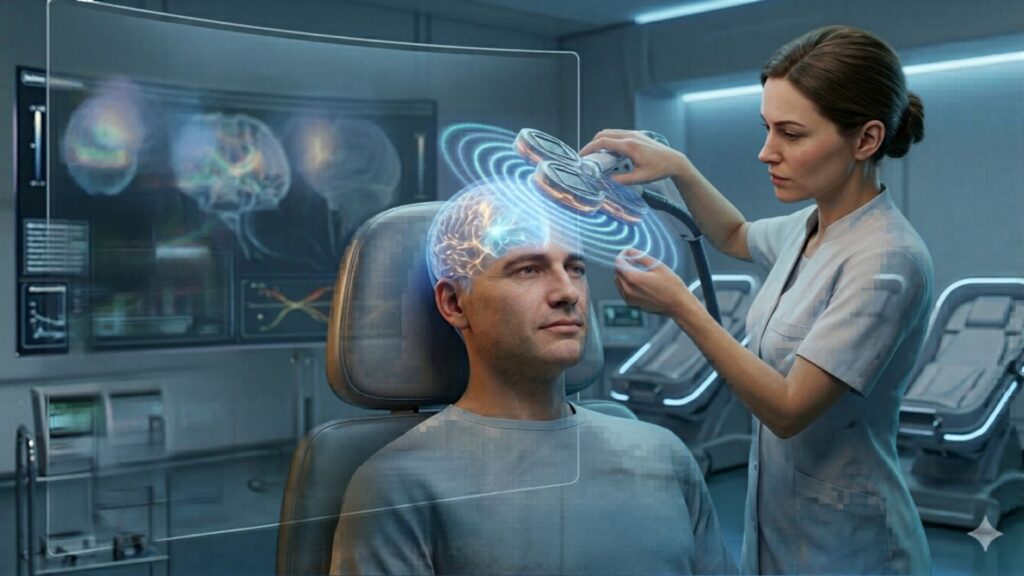
During a TMS session, a specialized device is placed near the scalp to deliver targeted magnetic pulses to the prefrontal cortex—the area of the brain involved in mood, decision-making, and emotional control. These pulses help activate underactive nerve cells and enhance communication between different parts of the brain, which can significantly improve symptoms of depression, anxiety, and other mood disorders.
Because TMS directly stimulates the brain without affecting the entire body, it offers an alternative for individuals who have not responded to medication or who experience intolerable side effects from drugs. Most patients find the treatment comfortable, with only mild scalp sensations during the session. Over time, repeated stimulation helps “rewire” brain circuits, promoting lasting mood improvement and better mental well-being.
TMS is FDA-cleared for treatment-resistant depression and is also being researched for conditions like:
- Generalized anxiety disorder (GAD)
- Obsessive-compulsive disorder (OCD)
- Post-traumatic stress disorder (PTSD)
- Chronic pain and migraine
Unlike medications, TMS does not circulate through the bloodstream, meaning it avoids systemic side effects commonly associated with antidepressants.
How TMS Therapy Works
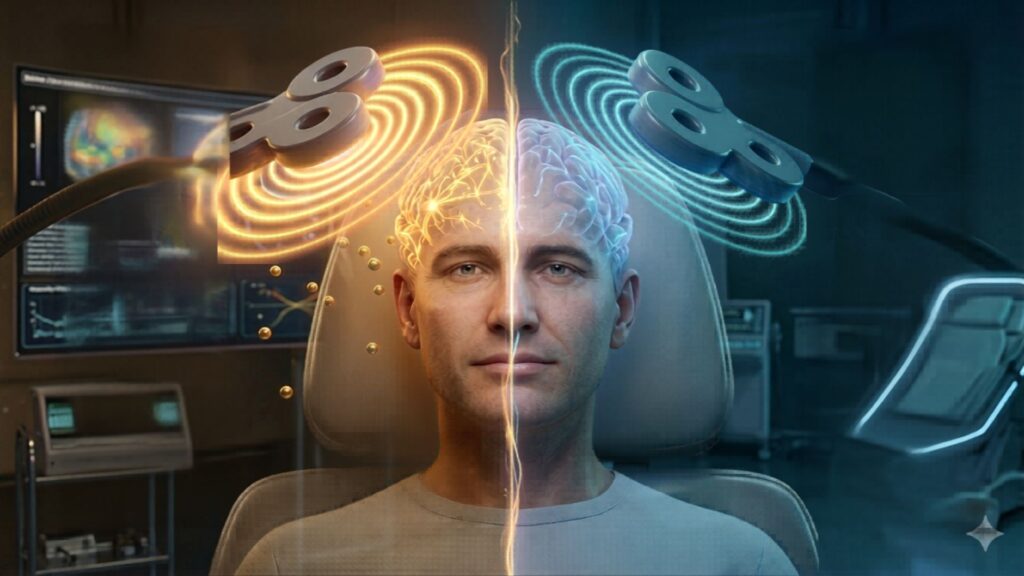
The brain functions through intricate patterns of electrical activity that control mood, behavior, and thought processes. Transcranial Magnetic Stimulation (TMS) therapy harnesses this principle by using a magnetic coil placed gently on the scalp to deliver focused magnetic pulses. These pulses create tiny electrical currents in specific areas of the brain, stimulating the neurons responsible for mood regulation and cognitive function.
By activating these neural pathways, TMS helps “reset” abnormal brain activity often associated with depression and other mental health conditions. The stimulation encourages better communication between brain regions, ultimately improving emotional balance, motivation, and overall mental clarity.
Because TMS targets precise areas of the brain without the need for surgery or medication, it provides a safe, non-invasive alternative for individuals who haven’t responded well to conventional treatments. Over a series of sessions, this gentle stimulation can lead to long-term improvements in mood and mental well-being, offering new hope for patients seeking an effective and well-tolerated therapy option.
Step-by-Step TMS Procedure:
- Consultation & Assessment
Before starting TMS, a trained clinician evaluates your medical history, current medications, and mental health symptoms. This ensures that TMS is safe and appropriate for you. - Mapping the Brain
Using a specialized TMS coil, the clinician identifies the exact location of the dorsolateral prefrontal cortex, the target area for mood regulation. - Treatment Sessions
- Each session lasts approximately 20–40 minutes.
- Patients sit in a comfortable chair while the coil delivers pulses to the scalp.
- The intensity is adjusted for comfort and effectiveness.
- Monitoring
Patients are observed for any side effects, such as mild headache or scalp discomfort. - Frequency & Duration
Most treatment plans include five sessions per week for 4–6 weeks. Some patients may require maintenance sessions for long-term benefits.
TMS is painless for most people. Some report mild tingling or tapping sensations on the scalp, but these sensations are temporary and manageable.
Safety of TMS Therapy
TMS therapy is widely regarded as an extremely safe and well-tolerated treatment for most patients. Decades of clinical research have consistently shown that it carries minimal risks compared to antidepressant medications or invasive procedures. Since TMS is non-invasive and does not require anesthesia, it avoids many of the systemic side effects often associated with traditional treatments, such as weight gain, fatigue, or sexual dysfunction. The most common side effect is mild scalp discomfort or a slight headache during the session, which typically resolves quickly. Overall, TMS offers an effective and low-risk alternative for individuals seeking relief from depression.
Why TMS is Safe:
- Non-Invasive – No surgery, anesthesia, or hospitalization is required.
- Targeted Stimulation – Magnetic pulses focus on specific brain areas, reducing the risk of systemic effects.
- No Drug Interactions – Unlike medications, TMS does not circulate in the bloodstream, minimizing side effects.
- Customizable – Clinicians can adjust the intensity based on patient comfort and health conditions.
Safety Considerations:
While TMS therapy is safe for most individuals, it is not suitable for everyone. People with metal implants or devices in or around the head—such as aneurysm clips, cochlear implants, or stents—should avoid TMS, except for those with standard dental fillings. Additionally, individuals with a history of seizures, epilepsy, or certain neurological conditions may not be ideal candidates for this treatment. Before starting TMS, your provider will conduct a thorough screening and medical evaluation to assess eligibility and ensure the procedure’s safety. This careful assessment helps minimize risks and ensures that TMS is an appropriate treatment option for you.
Common Side Effects
TMS therapy is well-tolerated, but some patients experience temporary side effects, including:
- Scalp Discomfort – Mild tingling or headache at the stimulation site.
- Muscle Twitching – Small facial or neck muscles may twitch during sessions.
- Lightheadedness – Rare and typically resolves immediately.
- Sleep Changes or Fatigue – Minor alterations in sleep patterns may occur during treatment.
Rare Side Effects:
Seizures are extremely rare (<0.01%), typically occurring in patients with pre-existing epilepsy or other neurological risk factors. Other rare events may include hearing discomfort if proper ear protection is not used.
Overall, TMS side effects are mild, temporary, and far less severe than those associated with long-term medication use.
Myths About TMS Therapy
Despite its growing popularity, Transcranial Magnetic Stimulation (TMS) therapy is still surrounded by several myths and misconceptions. Some people mistakenly believe it involves electric shocks or causes pain, when in fact, TMS is a gentle, non-invasive treatment that uses magnetic pulses to stimulate specific brain regions. Others assume it’s similar to electroconvulsive therapy (ECT), but TMS does not require anesthesia and has no memory-related side effects. Addressing these misconceptions is essential to help patients understand the true nature of TMS therapy, set realistic expectations, and feel confident in exploring it as a safe and effective option for mental health treatment.
Myth 1: TMS is Painful
Fact: Most patients feel only mild tapping or tingling. Adjusting the intensity can eliminate discomfort entirely.
Myth 2: TMS Changes Your Personality
Fact: TMS targets specific brain regions to improve mood and functioning. It does not alter personality, identity, or memories.
Myth 3: TMS is Only for Severe Depression
Fact: TMS is FDA-cleared for treatment-resistant depression but is also showing promising results for anxiety, OCD, PTSD, and chronic pain.
Myth 4: TMS Works Instantly
Fact: TMS is a gradual process. Patients typically notice improvement after 2–4 weeks of consistent treatment.
Myth 5: TMS is Experimental
Fact: TMS is FDA-approved and supported by extensive research. Thousands of patients have benefited worldwide.
Myth 6: TMS is Addictive
Fact: TMS is non-invasive and non-addictive. It doesn’t involve chemicals or medications that can lead to dependency.
Who Should Consider TMS Therapy?
TMS therapy is ideal for individuals who:
- Have not responded well to medications.
- Prefer non-invasive treatments.
- Want minimal systemic side effects.
- Are seeking alternatives to electroconvulsive therapy (ECT).
TMS may not be suitable for:
- Individuals with metal implants in or near the head
- People with a history of seizures or epilepsy
- Those with severe neurological conditions
A thorough evaluation by a TMS provider ensures safety and effectiveness.
Clinical Evidence Supporting TMS
Clinical studies have consistently shown TMS therapy to be effective for treatment-resistant depression:
- Study 1: A meta-analysis of over 1,000 patients reported that TMS improved depressive symptoms in 50–60% of patients who did not respond to medication.
- Study 2: Long-term follow-ups indicate that maintenance TMS sessions help sustain remission, reducing the risk of relapse.
- Study 3: Research on anxiety and PTSD shows that TMS reduces symptom severity and improves overall quality of life.
These studies demonstrate that TMS is not only safe but also clinically effective for a range of conditions.
Patient Experiences
Many patients share positive outcomes after TMS therapy:
- Emily, 34: “After trying multiple medications with no success, TMS finally helped me feel like myself again. The sessions were comfortable, and my mood improved gradually over a few weeks.”
- James, 42: “I was skeptical at first, but the staff explained everything. TMS was non-invasive, and I noticed real improvements in my depression and anxiety.”
- Sophia, 28: “I appreciated that TMS didn’t have the side effects of antidepressants. No grogginess, no weight gain—just effective treatment.”
These testimonials highlight the real-world benefits of TMS therapy.
FAQs About TMS Therapy
Q1: How long does a TMS session take?
A: Each session usually lasts 20–40 minutes depending on the protocol.
Q2: How many sessions are needed?
A: Typically 5 sessions per week for 4–6 weeks. Some patients may require maintenance treatments.
Q3: Will I feel anything during TMS?
A: Patients may feel mild tapping or tingling on the scalp, which is normal and temporary.
Q4: Can I continue my medications?
A: Yes, TMS can often be used alongside antidepressants, but your clinician will provide guidance.
Q5: Is TMS covered by insurance?
A: Many insurance plans cover TMS for treatment-resistant depression. Palmier TMS can help verify your coverage.
Q6: Is TMS suitable for all ages?
A: TMS is generally safe for adults but is not widely studied in children or adolescents.
Q7: How quickly will I see results?
A: Improvement is gradual, usually after 2–4 weeks, with maximum benefit after completing the full course.
Conclusion
TMS therapy offers a safe, non-invasive, and highly effective alternative for individuals struggling with depression, anxiety, and other mental health conditions. Unlike medications, which affect the entire body and often cause unwanted side effects, TMS delivers targeted magnetic pulses directly to specific areas of the brain responsible for mood regulation. This focused approach minimizes systemic side effects while promoting healthier brain activity and emotional balance.
Most patients tolerate TMS therapy exceptionally well, with only mild, temporary sensations on the scalp during treatment. By dispelling common myths and emphasizing decades of clinical research, patients can better understand the safety, effectiveness, and science behind TMS.
Whether you’re exploring TMS therapy for the first time or searching for a solution after traditional treatments have failed, this innovative therapy could provide the breakthrough you’ve been seeking. With its proven ability to improve mood and enhance overall mental wellness, TMS represents a transformative step toward lasting recovery.
If you or a loved one are considering TMS therapy, Palmier TMS offers expert care, personalized treatment plans, and compassionate support. Take the first step toward improved mental health today!
📞 Phone Number Call or Text: 314-697-4867
🌐 Website Official Website: https://palmiertms.com
📍 Locations:
- Chesterfield: 112 Chesterfield Commons East Rd., Chesterfield, MO 63005
- Richmond Heights: 1505 S Big Bend Blvd, Richmond Heights, MO 63117
Osage Beach (Ozarks): 5721 Osage Beach Parkway, Suite #300, Osage Beach, MO 65065