
Precision Healing: EEG-Guided TMS Therapy at Palmier TMS
Mental health disorders are a growing concern worldwide. According to the World Health Organization, depression is one of the leading causes of disability globally, affecting over 300 million people. Anxiety disorders, obsessive-compulsive disorder (OCD), and post-traumatic stress disorder (PTSD) also impact millions, significantly reducing quality of life. While traditional treatments such as medication and psychotherapy help many, some patients struggle to find relief. For these individuals, EEG-guided Transcranial Magnetic Stimulation (TMS) therapy offers a cutting-edge, personalized approach.
At Palmier TMS and Behavioral Health, patients in Missouri can access this advanced therapy at their Chesterfield, Richmond Heights, or Osage Beach locations. EEG-guided TMS combines precision technology with expert clinical care, offering hope to those who have not responded to conventional treatments.
In this article, we will explore how EEG-guided TMS works, its benefits, the latest research, patient experiences, and why Palmier TMS is a trusted leader in mental health care.
Understanding TMS Therapy
What Is TMS?
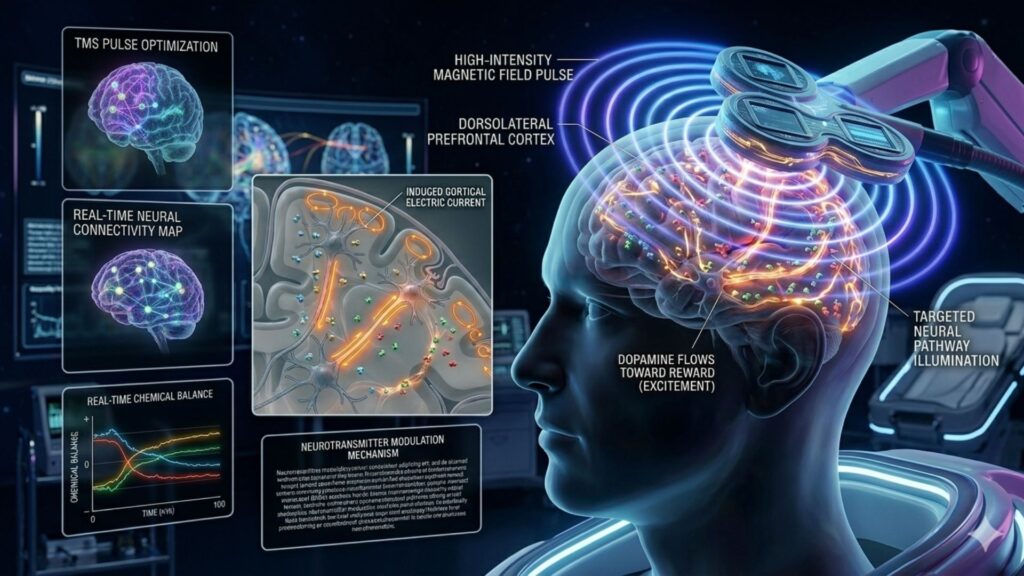
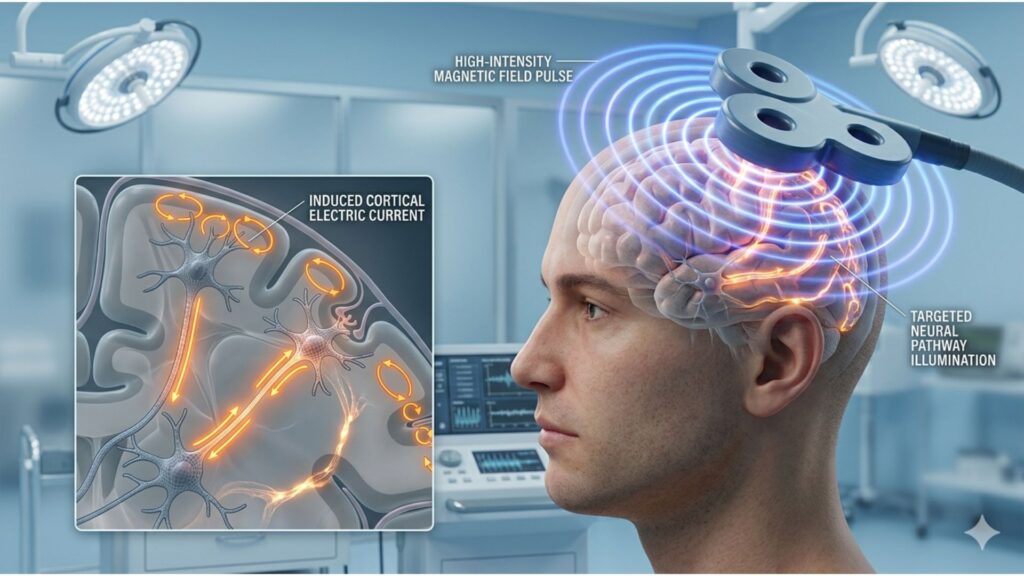
Transcranial Magnetic Stimulation (TMS) is a safe, non-invasive therapy that uses magnetic fields to stimulate targeted nerve cells in the brain. It is FDA-approved for treating depression, particularly in patients who have not responded to traditional therapies, and is currently being studied for other mental health conditions such as anxiety, obsessive-compulsive disorder (OCD), and post-traumatic stress disorder (PTSD). Unlike medications, which affect the entire body and can produce unwanted side effects, TMS precisely targets specific brain regions responsible for mood regulation. By focusing stimulation on these areas, TMS encourages improved communication between neurons and supports neuroplasticity, helping the brain form new pathways that promote emotional balance and cognitive function. Treatments are conducted in a comfortable, outpatient setting, allowing patients to remain awake and alert during sessions. This precise, personalized approach offers a promising alternative for individuals seeking effective relief and lasting improvements in mental health and overall well-being.
How TMS Works
TMS therapy utilizes a specialized magnetic coil that generates precise magnetic pulses capable of penetrating the scalp to stimulate specific brain cells. These pulses are carefully directed to the prefrontal cortex, a critical area involved in mood regulation, decision-making, and emotional control. By delivering consistent, targeted stimulation, TMS promotes neuroplasticity, enabling the brain to form new neural connections and enhance communication between different regions. This process helps restore balance to neural circuits that may be underactive or dysregulated in conditions such as depression, anxiety, and other mood disorders.
Each TMS session typically lasts 20–40 minutes, during which patients remain fully awake and alert. The treatment is generally comfortable, with most individuals able to read, listen to music, or relax throughout the session. As a non-invasive, outpatient therapy with minimal side effects, TMS provides a convenient and effective alternative to traditional treatments, offering patients a safe, personalized pathway to improved mental health and overall well-being.
The Evolution of TMS: EEG-Guided Therapy
What Is EEG-Guided TMS?
EEG-guided TMS integrates electroencephalography (EEG) with TMS therapy to create a personalized treatment plan. EEG measures electrical activity in the brain, producing a detailed map of neural patterns. These patterns help clinicians identify areas of underactivity or overactivity linked to depression, anxiety, or other mental health disorders.
By combining EEG with TMS, clinicians can deliver precision-targeted stimulation to the areas of the brain that need it most, maximizing efficacy and minimizing side effects.
Benefits of EEG Guidance
- Precision Targeting: Personalized stimulation reaches the exact areas of the brain that require intervention.
- Improved Outcomes: Tailored therapy enhances the likelihood of symptom relief and faster recovery.
- Reduced Side Effects: By focusing only on the relevant brain regions, EEG-guided TMS minimizes discomfort.
- Progress Monitoring: EEG allows clinicians to track changes in brain activity throughout treatment, adjusting protocols as needed.
Why EEG-Guided TMS Is a Game-Changer
EEG-guided TMS marks a move away from a one-size-fits-all approach toward precision medicine in mental health care. By mapping each patient’s unique brain activity, clinicians can tailor stimulation to target specific neural patterns linked to mood and cognitive function. This individualized approach ensures therapy is aligned with the patient’s neurophysiology, enhancing effectiveness, improving treatment outcomes, and offering a more personalized, targeted solution for those with depression, anxiety, OCD, or other mental health conditions.
Conditions Treated with EEG-Guided TMS
EEG-guided TMS is a highly effective, non-invasive therapy for various mental health conditions. By mapping individual brain activity, it delivers precise, targeted stimulation to areas linked to mood and emotional regulation. This personalized approach has shown significant benefits for treatment-resistant depression, anxiety disorders, OCD, PTSD, and other mood-related challenges, improving symptoms, cognitive function, and overall quality of life, often with faster and more lasting results than standard therapies.
1. Major Depressive Disorder (MDD)
MDD affects millions and often resists traditional treatment. EEG-guided TMS targets the prefrontal cortex, improving mood, energy, and cognitive function in patients with treatment-resistant depression.
2. Anxiety Disorders
Chronic anxiety can be debilitating. TMS stimulates regions associated with emotional regulation, helping reduce excessive worry and physical symptoms of anxiety.
3. Obsessive-Compulsive Disorder (OCD)
For patients struggling with intrusive thoughts and compulsions, EEG-guided TMS can modulate overactive brain circuits, reducing symptoms and improving daily functioning.
4. Post-Traumatic Stress Disorder (PTSD)
TMS shows promise in reducing hyperarousal, flashbacks, and anxiety associated with PTSD. EEG guidance allows for targeted treatment of the specific brain networks involved.
5. Other Mood Disorders
Emerging research suggests EEG-guided TMS may benefit bipolar disorder, chronic fatigue associated with depression, and other mood-related conditions.
The Science Behind EEG-Guided TMS
Neuroplasticity and Brain Health
TMS works by promoting neuroplasticity, the brain’s ability to reorganize and form new neural connections. By stimulating targeted areas, TMS helps restore balance to circuits involved in mood, cognition, and emotional regulation.
EEG guidance enhances this effect by pinpointing which areas are dysregulated, ensuring that stimulation is focused where it will have the most impact.
Research Evidence
Numerous studies highlight the effectiveness of EEG-guided TMS in treating mental health disorders. Research shows that personalized, brain-mapped stimulation improves response rates and accelerates symptom relief compared to standard TMS. Clinical trials demonstrate significant reductions in depressive symptoms, anxiety, and OCD-related behaviors. Ongoing studies also explore its potential for PTSD and other mood disorders, confirming that EEG-guided TMS is a safe, non-invasive, and highly promising therapy for treatment-resistant conditions.
- Meta-analyses indicate that TMS can significantly reduce depressive symptoms in treatment-resistant patients.
- EEG-guided protocols have been shown to improve response rates and shorten treatment duration compared to standard TMS.
- Ongoing research explores applications for anxiety, OCD, PTSD, and chronic pain, highlighting the versatility of this approach.
Patient Journey at Palmier TMS
Initial Consultation
Treatment begins with a thorough evaluation, including medical history, symptom assessment, and EEG testing. Clinicians review the patient’s needs and discuss potential outcomes.
Personalized Treatment Plan
EEG results guide the creation of a custom TMS protocol, including session frequency, intensity, and target brain regions. Every plan is designed to maximize effectiveness and patient comfort.
Treatment Sessions
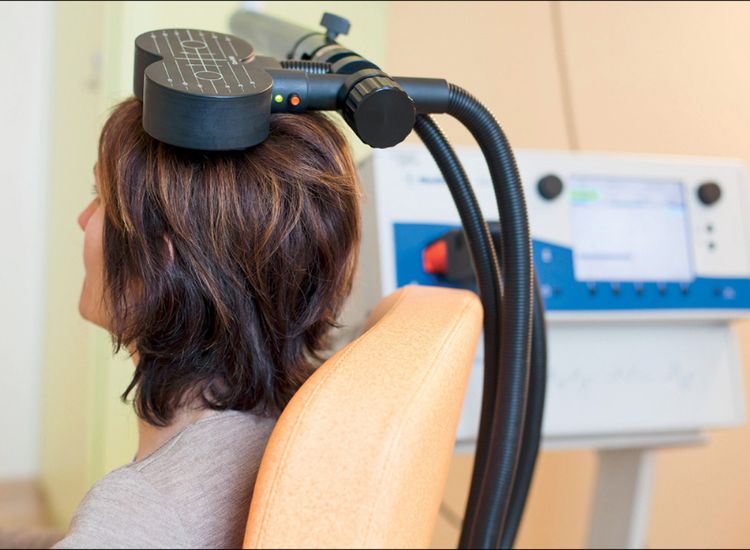
Sessions are conducted in a comfortable, relaxing environment. Patients sit in a recliner while the magnetic coil delivers pulses. Many patients read, listen to music, or use the time for mindfulness exercises.
Progress Monitoring
Clinicians track symptoms and EEG data throughout the treatment course, adjusting protocols as necessary. This ensures continued improvement and responsiveness to therapy.
Maintenance and Follow-Up
After the initial treatment phase, patients may schedule maintenance sessions to sustain benefits and prevent relapse. Palmier TMS provides ongoing support, ensuring long-term wellness.
Success Stories
Patients at Palmier TMS frequently experience significant, life-changing improvements in their mental health. Many report enhanced mood, increased energy, reduced anxiety, and greater emotional stability after EEG-guided TMS therapy. Individuals struggling with depression, OCD, PTSD, or treatment-resistant conditions often notice meaningful changes in daily functioning, focus, and overall well-being. These positive outcomes reflect the personalized, precision-focused care provided by Palmier TMS, offering hope and renewed quality of life for countless patients.
- Jane D., Chesterfield: “After years of struggling with depression, TMS has been life-changing. My energy and mood have improved, and I finally feel like myself again.”
- Mark S., Richmond Heights: “EEG-guided TMS helped me reduce my anxiety without relying on medication. The personalized approach made all the difference.”
- Linda K., Osage Beach: “I was skeptical at first, but after a few weeks, I noticed my OCD symptoms decreasing. The staff at Palmier TMS were supportive every step of the way.”
These real-world experiences demonstrate the transformative potential of precision TMS therapy.
FAQs
Q1: Is TMS therapy painful?
A: Most patients experience mild tapping or tingling on the scalp. Discomfort is minimal and short-lived.
Q2: How long does treatment last?
A: Standard courses are 20–30 sessions over 4–6 weeks, with each session lasting 20–40 minutes.
Q3: Are there side effects?
A: Common side effects include mild headaches or scalp irritation. Serious side effects are rare.
Q4: Can I continue my medications?
A: Yes. TMS can complement current medications, but treatment plans are carefully coordinated.
Q5: How quickly will I notice improvements?
A: Some patients see changes after a few sessions, while others experience gradual improvement over the treatment course.
Q6: Is EEG-guided TMS better than standard TMS?
A: EEG guidance personalizes therapy, often improving outcomes and speeding recovery compared to standard protocols.
Q7: Is TMS safe for older adults?
A: Yes. TMS is non-invasive and generally well-tolerated by adults of all ages, including seniors.
Q8: Can I work or drive after treatment?
A: Yes. Patients remain awake and alert during sessions and can resume normal activities immediately afterward.
Lifestyle Integration for Optimal Results
While EEG-guided TMS is highly effective on its own, integrating healthy lifestyle habits can further enhance results. Regular exercise, balanced nutrition, proper sleep, mindfulness practices, and strong social support work synergistically with TMS to improve brain function and emotional well-being. These habits promote neuroplasticity, reduce stress, and support long-term mental health. Combining personalized TMS therapy with a holistic approach helps patients achieve faster, more sustainable improvements in mood and overall quality of life.
- Regular Exercise: Physical activity improves mood and neuroplasticity.
- Balanced Diet: Nutrient-rich foods support brain health.
- Mindfulness & Meditation: Stress reduction techniques complement TMS effects.
- Sleep Hygiene: Adequate sleep is crucial for emotional regulation and recovery.
- Social Support: Engaging with supportive family and friends enhances mental wellness.
Why Choose Palmier TMS
Palmier TMS is committed to delivering advanced, personalized mental health care using state-of-the-art EEG-guided TMS therapy. With a patient-centered approach, experienced clinicians develop customized treatment plans tailored to each individual’s brain activity and specific needs. Combining precision technology, compassionate support, and multiple convenient Missouri locations, Palmier TMS ensures effective, safe, and comfortable care, helping patients achieve lasting improvements in mood, anxiety, and overall mental well-being.
- Multiple Missouri Locations: Chesterfield, Richmond Heights, and Osage Beach for convenient access.
- Expert Clinicians: Certified professionals with extensive experience in mental health and neuromodulation.
- State-of-the-Art Technology: EEG-guided TMS for precision and effectiveness.
- Patient-Centered Care: Customized treatment plans and ongoing monitoring.
- Comprehensive Support: Education, follow-ups, and resources for sustained wellness.
Conclusion
EEG-guided TMS therapy represents the forefront of modern mental health treatment, offering a precision-focused, personalized approach for individuals struggling with depression, anxiety, OCD, PTSD, and other mood disorders. Unlike traditional therapies that take a generalized approach, EEG-guided TMS maps each patient’s unique brain activity to identify specific areas that require stimulation. This ensures that every session is tailored to the individual’s neurophysiology, maximizing effectiveness and minimizing side effects.
At Palmier TMS and Behavioral Health, this advanced technology is combined with expert clinical care in a supportive, patient-centered environment. Clinicians develop customized treatment plans, monitor progress closely, and adjust therapy to ensure optimal outcomes. Many patients experience significant improvements in mood, energy, cognitive function, and overall quality of life, even when other treatments have failed.
If you or a loved one are ready to explore a more effective, personalized path to mental wellness, EEG-guided TMS at Palmier TMS offers hope, healing, and a brighter future.
Take control of your mental health today. Contact Palmier TMS to schedule your consultation:
Locations
Palmier TMS operates three locations across Missouri:
- Chesterfield: 112 Chesterfield Commons East Rd. Chesterfield, MO 63005
- Richmond Heights: 1505 S Big Bend Blvd Richmond Heights, MO 63117
- Osage Beach (Ozarks): 5721 Osage Beach Parkway, Suite #300 Osage Beach, MO 65065
📞 Phone Number Call or Text: 314-697-4867
🌐 Official Website: https://palmiertms.com