
Palmier TMS: Advanced, Non-Invasive Therapy for Depression and Mental Wellness

Depression and mental health disorders affect millions of people across the United States, creating challenges that extend beyond mood. These conditions can impact relationships, career performance, physical health, and overall quality of life. While traditional treatments such as antidepressant medications and psychotherapy have been effective for many, they do not work for everyone. For individuals experiencing treatment-resistant depression, side effects from medications, or limited improvement with conventional therapies, innovative solutions are essential.
Transcranial Magnetic Stimulation (TMS) therapy has emerged as a groundbreaking, non-invasive treatment option that targets brain areas associated with mood regulation. Palmier TMS, a leading provider with multiple locations across Missouri, offers state-of-the-art TMS therapy designed to improve mental wellness, provide lasting relief from depression, and restore hope for a better quality of life. With offices in Chesterfield, Richmond Heights, and Osage Beach, Palmier TMS combines advanced technology with compassionate care, ensuring every patient receives individualized treatment and support.
This comprehensive guide explores TMS therapy in depth, its benefits, patient experiences, frequently asked questions, and how Palmier TMS can help individuals achieve mental wellness.
Understanding TMS Therapy
What is TMS?
Transcranial Magnetic Stimulation (TMS) is a non-invasive, FDA-approved therapy used to treat depression and other mental health conditions. Unlike traditional treatments that rely on medications or invasive procedures, TMS uses magnetic fields to stimulate nerve cells in the brain’s prefrontal cortex, a region involved in mood regulation.
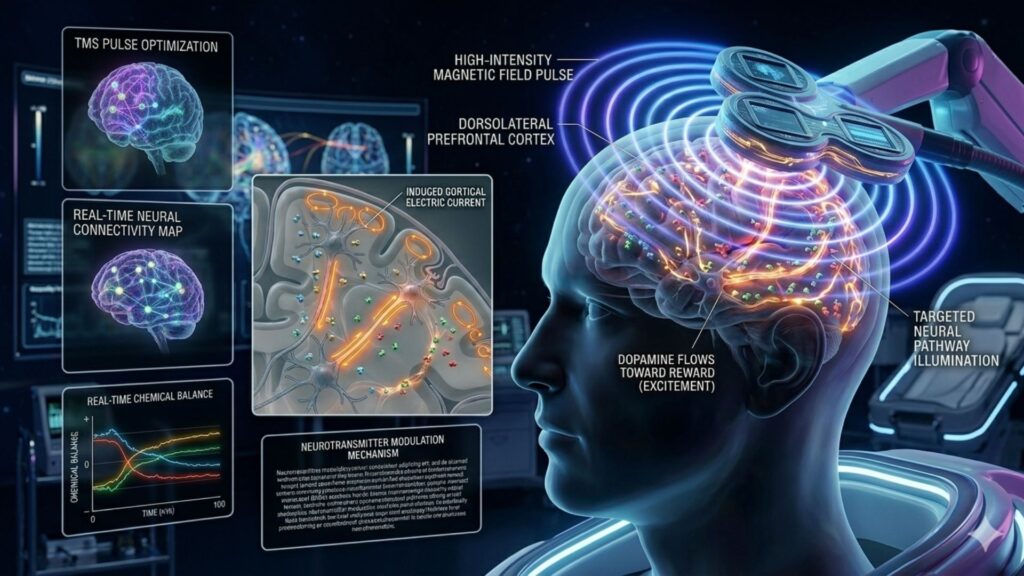
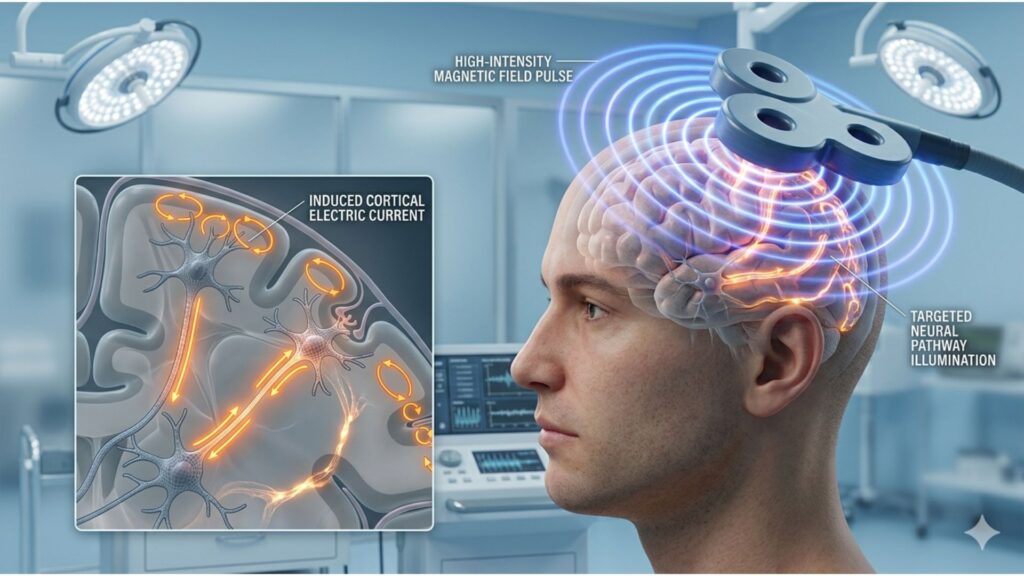
The treatment process involves placing a magnetic coil near the patient’s forehead. This coil generates magnetic pulses that penetrate the skull and influence neural activity. By stimulating specific brain circuits, TMS helps restore balance and function in areas affected by depression, anxiety, and other mood disorders.
How TMS Works
Transcranial Magnetic Stimulation (TMS) works by stimulating the brain’s dorsolateral prefrontal cortex (DLPFC), a region crucial for executive functions, emotional regulation, and cognitive processes. In individuals with depression, the DLPFC often exhibits reduced activity, which contributes to symptoms like persistent low mood, difficulty concentrating, fatigue, and social withdrawal. By applying targeted magnetic pulses, TMS helps to activate and normalize the functioning of this area, improving neural communication and overall brain activity. Over time, this stimulation can alleviate depressive symptoms, enhance cognitive performance, and support better emotional regulation, offering a non-invasive alternative for those resistant to traditional treatments.
During a TMS session:
- The patient sits comfortably in a treatment chair.
- A magnetic coil is positioned on the scalp near the forehead.
- Pulses of electromagnetic energy pass through the skull, stimulating nerve cells in the prefrontal cortex.
- These pulses activate neural circuits, promoting the release of neurotransmitters like dopamine and serotonin, which are critical for mood regulation.
Each session typically lasts 20-40 minutes, with most patients undergoing daily treatments for 4-6 weeks. TMS therapy is pain-free, non-invasive, and does not require anesthesia, making it a safe alternative for patients who are sensitive to medications or have not responded to traditional therapies.
Benefits of TMS Therapy
TMS therapy offers several advantages compared to conventional depression treatments such as medication or psychotherapy. Unlike antidepressants, TMS is non-invasive and does not involve systemic side effects like weight gain, gastrointestinal issues, or sexual dysfunction. It is also an option for individuals who have not responded to multiple medications, providing hope for treatment-resistant depression. TMS sessions are typically well-tolerated, painless, and performed on an outpatient basis, allowing patients to maintain their daily routines. Additionally, TMS directly targets the brain regions involved in mood regulation, leading to more precise and effective results, with lasting improvements in mood, cognitive function, and overall quality of life.
1. Non-Invasive and Drug-Free
One of the most significant benefits of TMS is its non-invasive nature. Patients do not need surgery, anesthesia, or daily medication intake. This makes TMS ideal for individuals who experience side effects from antidepressants, are concerned about long-term medication use, or have medical conditions that limit drug therapies.
2. Effective for Treatment-Resistant Depression
TMS is particularly beneficial for patients who have not responded to standard treatments. Studies show that TMS can lead to remission in individuals with treatment-resistant depression, providing hope for those who have struggled with persistent symptoms despite multiple medication trials.
3. Minimal Side Effects
Unlike medications, which can cause weight gain, nausea, or sexual dysfunction, TMS therapy generally has mild and temporary side effects. Patients may experience slight scalp discomfort, tingling, or headaches during initial sessions, but these usually diminish as treatment progresses.
4. Rapid Improvement
Many patients notice positive changes within 3-6 weeks of consistent treatment. TMS not only improves mood but can also enhance energy, focus, and cognitive function, allowing patients to regain control of their lives more quickly than with conventional treatments alone.
5. Personalized Treatment Plans
At Palmier TMS, every patient receives a customized treatment plan based on their unique needs, medical history, and mental health goals. This personalized approach ensures optimal outcomes and a supportive experience throughout the therapy process.
6. Improves Cognitive Function
Beyond alleviating depressive symptoms, TMS has been shown to enhance cognitive abilities such as concentration, memory, and executive function. Patients often report better decision-making, improved productivity, and increased engagement in daily activities.
TMS vs. Other Depression Treatments
When comparing TMS therapy to other treatments, it becomes clear why many patients turn to this innovative option.
Treatment Advantages Disadvantages Antidepressant Medications Widely available, convenient Side effects, delayed onset, not effective for all Psychotherapy Addresses underlying causes, builds coping skills Requires time commitment, variable effectiveness TMS Therapy Non-invasive, rapid improvement, effective for resistant depression, minimal side effects Requires multiple sessions, in-office treatment
TMS is particularly valuable for patients who have not responded adequately to medications or prefer a drug-free alternative. It offers a precise, targeted approach to treating depression that addresses the root neurological dysfunction rather than just masking symptoms.
Patient Experience at Palmier TMS
Consultation and Assessment
Every TMS journey at Palmier TMS begins with a comprehensive consultation designed to understand each patient’s unique needs and medical history. During this initial session, clinicians evaluate the severity of symptoms, review past treatments, and discuss individual goals for therapy. The process includes a detailed explanation of how TMS works, what to expect during sessions, and potential benefits and side effects. Personalized treatment plans are then developed, tailoring stimulation settings and schedules to maximize effectiveness. This careful, patient-centered approach ensures that every individual feels informed, supported, and confident as they begin their path toward improved mental health and lasting relief from depression.
- A detailed review of medical history and previous treatments
- Mental health assessment to identify specific symptoms
- Personalized treatment plan design based on individual needs
Treatment Sessions
TMS sessions are designed for comfort and efficiency:
- Patients sit in a comfortable chair during treatment.
- The magnetic coil is positioned on the forehead.
- Pulses are administered in sessions lasting 20-40 minutes.
- Patients can return to daily activities immediately after each session, as TMS does not cause drowsiness or impairment.
Ongoing Monitoring and Support
Palmier TMS ensures continuous monitoring throughout the entire therapy process, prioritizing patient safety and treatment effectiveness. Clinicians carefully track each patient’s progress, evaluating responses to stimulation and adjusting treatment intensity as needed for optimal results. This personalized approach helps maximize therapeutic benefits while maintaining comfort and minimizing any potential discomfort. In addition to the active therapy sessions, follow-up appointments are provided to assess sustained improvements, address any emerging concerns, and reinforce treatment gains. By combining precise monitoring with ongoing support, Palmier TMS promotes long-term mental wellness, helping patients achieve lasting relief from depression and improved overall cognitive and emotional health.
Success Stories
Many patients report significant improvements, including:
- Enhanced mood and emotional stability
- Increased energy and motivation
- Better focus and productivity
- Stronger personal relationships and social engagement
These real-life successes demonstrate TMS’s transformative potential for individuals struggling with depression and other mood disorders.
Scientific Evidence Supporting TMS
TMS therapy is FDA-approved for the treatment of major depressive disorder and is supported by extensive clinical research demonstrating its safety and effectiveness. Key findings reveal that TMS can significantly reduce depressive symptoms, particularly in patients who have not responded to medication. Studies show improvements in mood, cognitive function, and overall quality of life, with benefits often sustained over time. Research also indicates that TMS is well-tolerated, with minimal side effects, most commonly mild scalp discomfort or headache. These findings highlight TMS as a reliable, non-invasive, and evidence-based option for individuals seeking effective treatment for depression and related mood disorders.
- Remission Rates: Studies show that 30-60% of patients with treatment-resistant depression experience meaningful improvement with TMS.
- Long-Term Benefits: Follow-up studies indicate that improvements can be maintained for months or years with occasional booster sessions.
- Minimal Side Effects: Research consistently shows that side effects are generally mild and temporary.
- Enhanced Cognitive Function: Patients often experience improvements in attention, memory, and executive function, contributing to overall quality of life.
These findings reinforce TMS as a scientifically validated, reliable option for patients seeking non-invasive, effective depression treatment.
Frequently Asked Questions (FAQs)
Q: Is TMS therapy safe?
A: Yes. TMS is FDA-approved and non-invasive, with minimal side effects. It is considered safe for most adults, including those who have not responded to other treatments.
Q: How long before I see results?
A: Many patients notice improvements within 3-6 weeks. Optimal results typically require consistent daily sessions for 4-6 weeks.
Q: Can TMS be combined with medications?
A: Yes. TMS can complement existing treatment plans under professional guidance.
Q: Are there any side effects?
A: Most side effects are mild, such as scalp tingling, slight discomfort, or temporary headaches. Serious side effects are rare.
Q: How many sessions will I need?
A: A standard treatment plan usually involves 20-30 sessions over 4-6 weeks. Your clinician will personalize the schedule based on your needs.
Q: Is TMS therapy covered by insurance?
A: Many insurance plans cover TMS therapy. Palmier TMS staff can assist with verification, claims, and billing.
Q: What conditions does TMS treat besides depression?
A: TMS may also help with anxiety disorders, PTSD, OCD, and other mental health conditions, depending on clinical evaluation.
Q: Is TMS painful?
A: TMS is generally well-tolerated. Patients may feel a tapping or tingling sensation at the treatment site, but it is not painful.
Why Choose Palmier TMS?
Palmier TMS stands out for several reasons:
- Multiple Convenient Locations – Chesterfield, Richmond Heights, and Osage Beach (Ozarks) offices provide accessible care across Missouri.
- Experienced Clinicians – The team includes highly trained professionals dedicated to personalized patient care.
- Cutting-Edge Technology – Palmier TMS uses the latest equipment for precise and effective treatment.
- Patient-Centered Approach – Focus on comfort, support, and individualized treatment plans ensures the best possible outcomes.
- Comprehensive Support – Ongoing monitoring, follow-up, and wellness resources help patients maintain mental health improvements.
Conclusion
Depression and mental health challenges do not have to define your life. With advanced, non-invasive therapies like Transcranial Magnetic Stimulation (TMS), individuals now have access to scientifically validated and effective treatment options that can provide relief where traditional methods may fall short. TMS targets specific areas of the brain associated with mood regulation, offering a personalized approach to reducing symptoms such as low mood, fatigue, poor concentration, and social withdrawal.
Palmier TMS combines cutting-edge technology, clinical expertise, and compassionate care to guide patients toward lasting mental wellness. Every treatment plan is tailored to the individual, ensuring maximum effectiveness and comfort throughout the therapy process. Whether you are struggling with treatment-resistant depression, seeking a drug-free alternative, or looking to improve overall mental health, Palmier TMS provides a safe, evidence-based solution. With ongoing monitoring, follow-up support, and a patient-centered approach, Palmier TMS empowers you to regain control of your mental health and improve quality of life.
Take the first step toward a brighter, healthier future today. Contact Palmier TMS to schedule your consultation and begin your journey to mental wellness.
📞 Phone Number (Call or Text): 314-697-4867
🌐 Official Website: https://palmiertms.com
📍 Locations:
- Chesterfield: 112 Chesterfield Commons East Rd. Chesterfield, MO 63005
- Richmond Heights: 1505 S Big Bend Blvd Richmond Heights, MO 63117
- Osage Beach (Ozarks): 5721 Osage Beach Parkway, Suite #300 Osage Beach, MO 65065