
What is TMS Part 6: Common Misconceptions About TMS
Despite its growing popularity, several misconceptions about Transcranial Magnetic Stimulation (TMS) persist. Misinformation surrounding the procedure often discourages individuals from


Despite its growing popularity, several misconceptions about Transcranial Magnetic Stimulation (TMS) persist. Misinformation surrounding the procedure often discourages individuals from
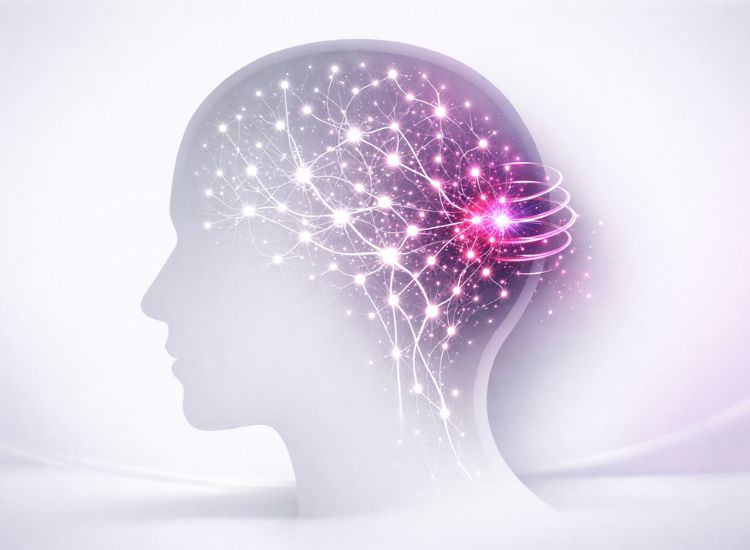
Neuroplasticity refers to the brain’s ability to adapt and reorganize itself by forming new neural connections. This fundamental property allows the brain to recover from injuries, learn new skills, and adapt

Transcranial Magnetic Stimulation (TMS) offers a novel approach compared to traditional mental health treatments like medications and psychotherapy. As a non-invasive therapy, TMS directly targets neural
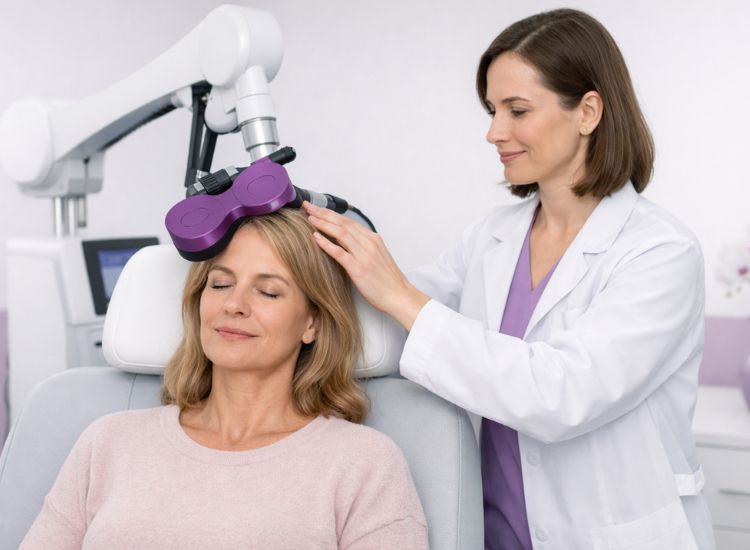
Transcranial Magnetic Stimulation (TMS) has emerged as a transformative therapy due to its unique advantages over traditional treatments. Unlike medications, which often cause systemic side effects, TMS specifically targets

The foundation of Transcranial Magnetic Stimulation (TMS) lies in the use of magnetic fields to influence brain activity. This scientific principle, rooted in the concept of electromagnetic induction, enables clinicians
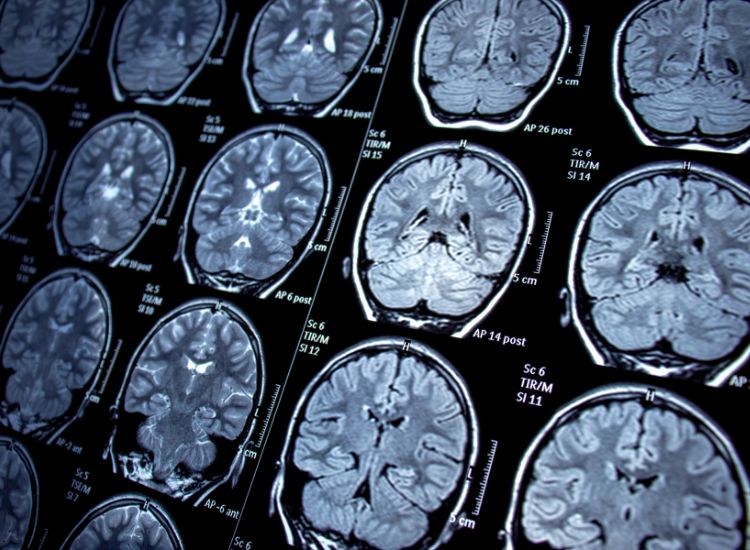
Transcranial Magnetic Stimulation (TMS) is a groundbreaking, non-invasive therapy that uses magnetic fields to stimulate nerve cells in the brain. Initially developed to treat depression, TMS has gained FDA approval

Since its FDA approval in 2008, Transcranial Magnetic Stimulation (TMS) has steadily gained worldwide recognition as an effective, non-invasive treatment for depression and other neurological and psychiatric
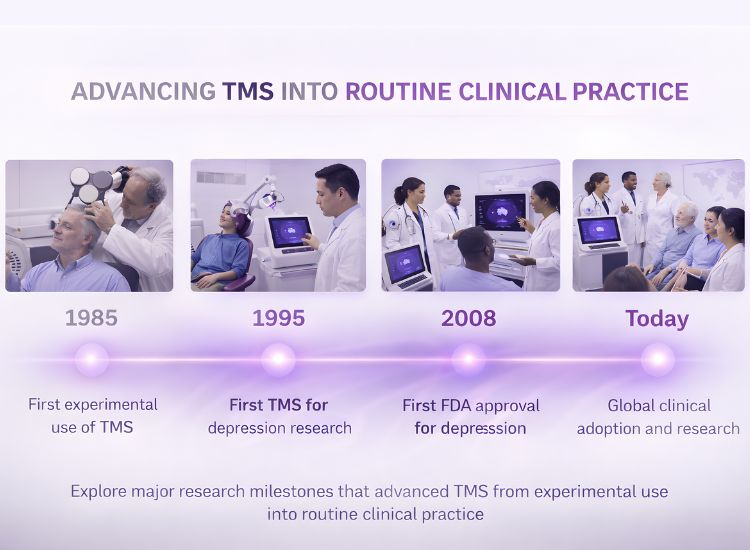
Since its FDA approval in 2008, transcranial magnetic stimulation (TMS) has evolved significantly, expanding its clinical applications and improving treatment strategies. Advancements in technology
The regulatory approval of transcranial magnetic stimulation (TMS) by the U.S. Food and Drug Administration (FDA) has been a critical milestone in the widespread adoption of TMS as a recognized medical treatment. The first FDA
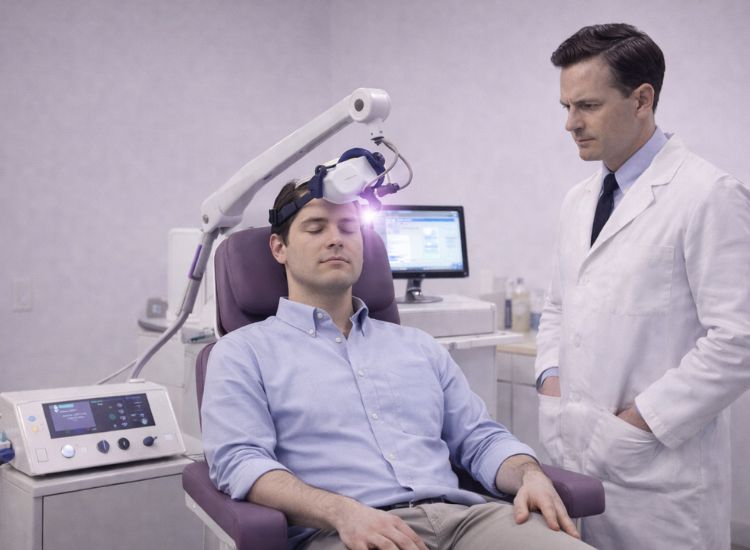
Theta burst stimulation (TBS) is an advanced and efficient form of repetitive transcranial magnetic stimulation (rTMS) introduced in the early 2000s. Unlike traditional rTMS, which delivers evenly spaced pulses,