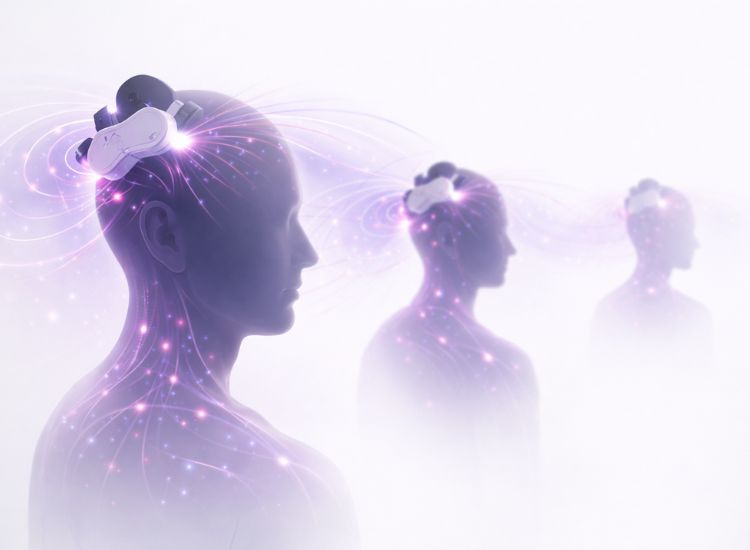

Non-Invasive Brain Stimulation for Depression & Anxiety: A Comprehensive Guide
Mental health challenges, including depression and anxiety, affect millions of people worldwide. According to the World Health Organization, over 264 million people globally suffer from depression, while anxiety disorders affect approximately 284 million individuals. While traditional treatments such as therapy and medications are effective for many, a significant number of patients either do not respond adequately to these options or experience intolerable side effects. This has led to a growing interest in innovative, non-invasive treatments that offer relief without major disruptions to daily life.
One of the most promising and widely recognized non-invasive therapies is Transcranial Magnetic Stimulation (TMS). TMS has garnered attention due to its effectiveness, safety, and minimal side effects, particularly for individuals with treatment-resistant depression or persistent anxiety.
What is Non-Invasive Brain Stimulation?
Non-invasive brain stimulation (NIBS) refers to a set of therapies designed to modulate neural activity without requiring surgery or systemic medications. The goal is to stimulate specific brain regions to improve mood regulation, cognition, and overall mental well-being. Among the various NIBS techniques, the most commonly used for depression and anxiety are:
- Transcranial Magnetic Stimulation (TMS)
- Transcranial Direct Current Stimulation (tDCS)
- Electroconvulsive Therapy (ECT) (technically not always non-invasive, but modern protocols have reduced invasiveness)
- Theta Burst Stimulation (TBS) (a specialized form of TMS)
Among these, TMS is the most researched and widely adopted for depression and anxiety due to its efficacy, safety profile, and patient tolerability.
Understanding Transcranial Magnetic Stimulation (TMS)
TMS uses targeted magnetic pulses to stimulate specific areas of the brain responsible for mood and emotional regulation. The prefrontal cortex, a brain region often underactive in patients with depression, is the primary target. By enhancing neuronal activity in this area, TMS helps restore normal function and improve mood, energy, and cognitive function.
How TMS Differs from Traditional Therapies
- Medication vs. TMS: Antidepressants work by altering chemical levels in the brain, such as serotonin or dopamine. TMS, on the other hand, directly stimulates neurons to improve connectivity and function in specific brain circuits, providing an alternative for those who cannot tolerate medication or do not respond to it.
- Psychotherapy vs. TMS: Therapy, such as cognitive-behavioral therapy (CBT), focuses on changing thought patterns and coping strategies. While highly effective, therapy alone may not be sufficient for some patients with severe or treatment-resistant depression. TMS can complement therapy, enhancing mood and enabling more productive engagement in psychotherapy sessions.
- Electroconvulsive Therapy (ECT) vs. TMS: ECT involves electrical currents to induce seizures under anesthesia. It is highly effective but carries risks such as memory loss, cognitive side effects, and the need for hospitalization. TMS is non-invasive, painless, and does not require anesthesia, allowing patients to continue daily activities during treatment.
How TMS Works
The TMS process involves several stages designed to provide personalized and effective treatment. It begins with an initial assessment, followed by treatment planning, therapy sessions, and ongoing monitoring. Each stage ensures the therapy is tailored to individual needs, optimizing outcomes, enhancing safety, and supporting overall mental health recovery.
1. Assessment and Brain Mapping
Each patient begins with a comprehensive evaluation including a review of medical history, current medications, psychiatric history, and symptom severity. Brain mapping is then performed to locate the specific areas of the prefrontal cortex most affected by depression or anxiety. This step ensures that magnetic pulses are accurately targeted for maximum benefit.
2. Magnetic Stimulation Sessions
During a TMS session:
- The patient sits in a comfortable chair.
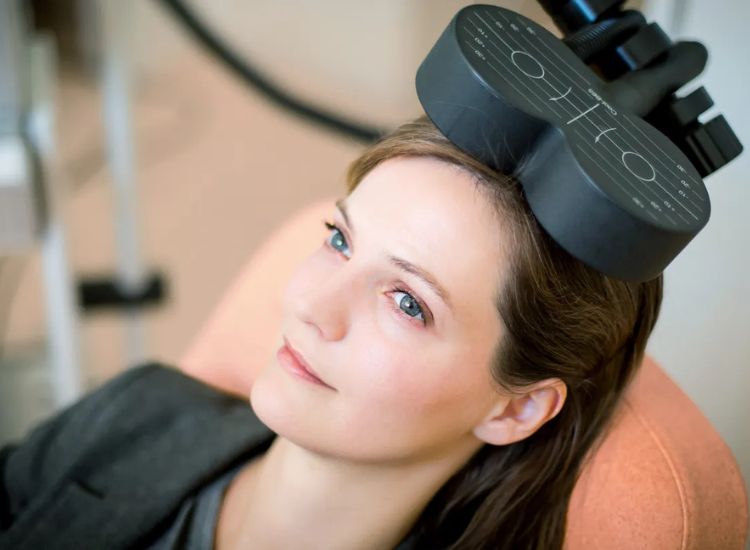
- A magnetic coil is positioned near the scalp, targeting the prefrontal cortex.
- Magnetic pulses penetrate the skull and stimulate neural activity.
- Sessions typically last between 20 and 40 minutes.
3. Frequency and Duration
Most treatment plans involve:
- Daily sessions, usually five days a week.
- Duration of 4–6 weeks, with the exact plan tailored to patient response.
- Adjustments may be made depending on symptom improvement and tolerability.
4. Progress Monitoring
Throughout the treatment, healthcare providers monitor symptoms and adjust protocols to maximize effectiveness. Regular assessments help ensure optimal outcomes and early identification of any minor side effects.
Benefits of Non-Invasive Brain Stimulation
TMS provides numerous advantages over traditional treatments for depression and anxiety. It is non-invasive, medication-free, and generally well-tolerated, with minimal side effects. Treatments are targeted, precise, and personalized, often producing faster results. TMS also offers hope for individuals resistant to conventional therapies, improving overall mental health and quality of life.
- Non-Invasive
No surgery, anesthesia, or systemic medications are involved. Patients can continue their daily routines immediately after each session.
- Minimal Side Effects
The most common side effects are mild scalp discomfort or tingling sensations during treatment. Headaches are rare and usually mild, resolving quickly.
- Effective for Treatment-Resistant Depression
Studies indicate a high response rate in patients who have not benefited from multiple antidepressant trials.
- Quick Recovery
Unlike ECT, there is no downtime, memory impairment, or cognitive disruption. Patients can go about their day without interruption.
- Improved Mood and Cognitive Function
Beyond alleviating depressive symptoms, TMS may improve concentration, energy levels, and overall well-being, supporting better daily functioning.
- Potential Long-Term Benefits
With follow-up and maintenance sessions, the positive effects of TMS can last for months or even years, especially when combined with therapy and lifestyle changes.
Who Can Benefit from TMS?
TMS is suitable for individuals who experience depression, anxiety, or other mood disorders, especially when traditional treatments like medication or therapy have been ineffective. It is also appropriate for those seeking non-invasive, targeted, and personalized treatment options, offering a safe and well-tolerated approach to improving mental health and overall well-being.
- Major Depressive Disorder (MDD)
- Treatment-resistant depression (patients who have failed to respond to at least one antidepressant trial)
- Generalized anxiety disorder (GAD)
- Post-Traumatic Stress Disorder (PTSD) (in some cases)
- Patients seeking alternatives to medications due to intolerable side effects
- Individuals wanting a non-invasive, evidence-based treatment option
Special Considerations
TMS is not suitable for everyone and may be contraindicated for individuals with metal implants in or near the head, a history of seizures, or certain neurological conditions. It may also be unsuitable for those with severe, unstable medical or psychiatric issues, requiring careful evaluation before starting treatment.
- Metal implants near the head (excluding dental fillings)
- History of seizures or epilepsy (unless cleared by a neurologist)
- Severe neurological conditions
A thorough medical and psychiatric evaluation is necessary to ensure safety and efficacy.
What to Expect During TMS Treatment
Initial Consultation
During the initial consultation, your provider will review your medical history, current symptoms, and previous treatments. They will assess your suitability for TMS, explain the procedure, discuss potential benefits and risks, and answer questions. This step ensures a personalized treatment plan tailored to your specific mental health needs.
- Medical history and current medications
- Severity and duration of symptoms
- Previous treatments and responses
- Goals and expectations for TMS therapy
Comfortable Sessions
Patients typically sit in a reclining chair while the TMS device delivers magnetic pulses. Many patients read, listen to music, or use their phones during sessions. Unlike other brain stimulation treatments, TMS is pain-free and non-invasive.
Regular Monitoring
Providers track your progress throughout the treatment course. Adjustments are made based on symptom improvement and tolerability to ensure optimal outcomes.
Completion of the Treatment Course
After completing a full TMS treatment plan, patients often experience significant improvement in mood, reduced symptoms of depression or anxiety, and enhanced overall well-being. Many report increased energy, better focus, and improved daily functioning. These benefits contribute to a higher quality of life and a greater sense of mental resilience.Significant improvement in mood and energy
- Reduced anxiety and depressive symptoms
- Enhanced ability to engage in work, social, and personal activities
Scientific Evidence Supporting TMS
TMS has been extensively studied in clinical trials, revealing key findings such as its effectiveness in reducing symptoms of depression and anxiety, especially in treatment-resistant cases. Studies show it is safe, well-tolerated, and associated with minimal side effects, offering a promising, non-invasive alternative for improving mental health outcomes.
- Efficacy for Depression: Research indicates response rates of 50–60% and remission rates of 30–40% in treatment-resistant depression patients.
- Reduction in Anxiety Symptoms: Patients with co-occurring anxiety disorders often experience significant symptom improvement.
- Improved Cognitive Function: Studies show enhanced attention, memory, and executive function following TMS therapy.
- Durable Results: Maintenance sessions and follow-up care contribute to sustained symptom relief over time.
A growing body of evidence suggests that TMS can also be effective for other psychiatric conditions, including obsessive-compulsive disorder (OCD), PTSD, and certain types of chronic pain.
Comparing TMS with Emerging Non-Invasive Brain Stimulation Techniques
Transcranial Direct Current Stimulation (tDCS)
- Uses low-level electrical currents to modulate neuronal activity.
- Less targeted than TMS and less extensively researched.
- Often used in research settings or experimental therapy.
Theta Burst Stimulation (TBS)
- A faster version of TMS that delivers bursts of magnetic pulses in short sessions.
- Promising results for depression with shorter treatment times.
- FDA-approved protocols are still emerging, with ongoing studies.
Preparing for TMS Treatment
Patients considering TMS should undergo a thorough evaluation to determine suitability, discuss medical history, and set realistic expectations. Preparing may include adjusting medications, maintaining a consistent routine, and understanding the treatment process. Being informed and proactive helps ensure safety, maximize effectiveness, and supports a positive experience throughout the therapy.
- Consult a qualified provider to assess suitability.
- Review medications and health history for safety considerations.
- Set realistic expectations about treatment duration and results.
- Plan for daily sessions over 4–6 weeks.
- Track symptoms to share progress with the provider.
Enhancing TMS Outcomes
Combining TMS with supportive measures, such as therapy, lifestyle adjustments, and stress management, can significantly enhance treatment outcomes. This integrated approach addresses both neurological and psychological factors, promoting faster recovery, sustained symptom relief, and overall well-being. Personalized care ensures patients achieve the best possible results and long-term mental health improvements.
- Psychotherapy: CBT or other evidence-based therapy can enhance the benefits of TMS.
- Lifestyle changes: Exercise, nutrition, and sleep hygiene support mental health.
- Stress management: Mindfulness, meditation, and relaxation techniques reduce anxiety and improve resilience.
- Follow-up care: Periodic assessments and maintenance sessions help maintain improvements.
Frequently Asked Questions About TMS
Q1: Is TMS safe?
Yes. TMS is FDA-approved for adults with depression and considered safe. Side effects are usually mild and temporary.
Q2: Does TMS hurt?
Most patients report a tapping or tingling sensation on the scalp during treatment. Discomfort is minimal and well-tolerated.
Q3: How soon will I see results?
Many patients notice improvement after 2–4 weeks, though individual responses vary.
Q4: Can I continue medications during TMS?
Yes. TMS can be safely combined with most medications. Your provider will review your regimen for safety and compatibility.
Q5: How long do the effects last?
Positive effects can be long-lasting, especially when paired with therapy, lifestyle modifications, and maintenance sessions.
Q6: Is TMS covered by insurance?
Many insurance plans cover TMS for treatment-resistant depression. Verification and assistance with claims are available through treatment centers.
Conclusion
Non-invasive brain stimulation, especially Transcranial Magnetic Stimulation (TMS), has emerged as a transformative option for individuals struggling with depression and anxiety. Unlike traditional treatments, TMS provides a safe, non-invasive approach with minimal side effects, making it suitable for patients who cannot tolerate medications or prefer alternatives to invasive procedures. It is particularly effective for treatment-resistant cases, offering relief when other therapies have failed.
TMS sessions are structured and personalized, ensuring that each patient receives care tailored to their unique needs. The treatment promotes quick recovery with minimal disruption to daily life, allowing individuals to continue their routines while receiving therapy. Beyond alleviating symptoms, TMS enhances mood, cognition, and overall well-being, supporting long-term mental health.
Backed by substantial scientific evidence, TMS empowers patients to regain control over their lives. By providing targeted, evidence-based care, it offers hope, restores mental wellness, and helps patients achieve meaningful, lasting improvements in their quality of life.
Take the Next Step Toward Mental Wellness
Don’t let depression or anxiety control your life. Explore the benefits of non-invasive brain stimulation and take the first step toward relief and improved mental health. Schedule a consultation with a qualified provider to see if TMS is right for you.
📞 Call or Text: 314-697-4867
🌐 Visit: https://palmiertms.com
📍 Locations: Multiple convenient Missouri locations
Take action today and reclaim your life from depression and anxiety. Your brighter, healthier future starts now.