

Bipolar disorder is a complex mental health condition that affects millions of people worldwide. Characterized by extreme mood swings that range from intense highs, or mania, to profound lows, or depression, this condition can disrupt daily routines, impair relationships, and create significant challenges in both personal and professional life. Despite its prevalence, bipolar disorder is often misunderstood, misdiagnosed, or undertreated, leaving many individuals struggling to find effective relief. Traditional treatments, such as medications and psychotherapy, have helped countless patients manage their symptoms, but not everyone responds fully to these approaches. Side effects, incomplete symptom relief, or the difficulty of adhering to long-term treatment plans can leave patients searching for alternative solutions.
In recent years, TMS (Transcranial Magnetic Stimulation) therapy has emerged as a promising, non-invasive option for managing bipolar disorder. By delivering targeted magnetic pulses to specific areas of the brain responsible for mood regulation, TMS therapy works to stabilize emotional fluctuations and reduce depressive episodes. This innovative treatment offers hope for those who may not respond adequately to conventional therapies, providing a safe and effective complement to existing care.
In this article, we will explore how TMS therapy works, its potential benefits for individuals with bipolar disorder, what patients can expect during treatment, and steps to begin the journey toward improved mental health.
Understanding Bipolar Disorder
Bipolar disorder is far more than the normal ups and downs everyone experiences. While it’s natural to feel happy, sad, or irritable occasionally, bipolar disorder causes extreme and unpredictable mood changes that can last for days, weeks, or even months. These episodes of mania or depression go beyond typical emotional responses, often affecting thinking, behavior, sleep patterns, and energy levels. The intensity and duration of these mood swings can significantly impair daily functioning, making it difficult to maintain relationships, perform at work, or manage everyday responsibilities. Recognizing the difference between normal mood changes and bipolar disorder is crucial for proper diagnosis and treatment.
Types of Bipolar Disorder
There are several types of bipolar disorder, each with unique patterns of mood changes:
- Bipolar I Disorder: Characterized by severe manic episodes lasting at least a week, often accompanied by depressive episodes. These manic phases can involve heightened energy, impulsive behavior, and sometimes risky or reckless actions.
- Bipolar II Disorder: Involves hypomanic episodes (less severe than mania) and more frequent depressive episodes. Patients often experience intense depressive periods that affect daily life, but the hypomanic episodes may go unnoticed by others.
- Cyclothymia: A milder, chronic form involving numerous hypomanic and depressive symptoms that do not meet full criteria for Bipolar I or II. Cyclothymia can still significantly affect relationships, work, and social life if left untreated.
Causes and Risk Factors
Bipolar disorder often has a genetic component, as it tends to run in families, but genetics alone do not determine its onset. Environmental factors can play a significant role in triggering the condition, influencing how and when symptoms appear. Changes in brain structure and chemistry may affect mood regulation, while stress, trauma, or major life events can act as catalysts for the first episode or subsequent mood swings. Understanding both the hereditary and environmental influences is important for recognizing risk factors, seeking early intervention, and developing effective, individualized treatment plans for those living with bipolar disorder
Common risk factors include:
- Family history of bipolar disorder
- Major life events or trauma
- Substance abuse
- Hormonal imbalances or neurological conditions
Understanding these factors can help patients and their families anticipate potential triggers and seek early intervention.
Common Symptoms
Symptoms of bipolar disorder vary depending on whether the individual is in a manic or depressive phase
Manic or Hypomanic Symptoms:
- Increased energy and activity levels
- Euphoric or irritable mood
- Rapid speech and racing thoughts
- Impulsive or risky behaviors
- Decreased need for sleep
Depressive Symptoms:
- Persistent sadness or hopelessness
- Loss of interest in usual activities
- Fatigue or low energy
- Difficulty concentrating or making decisions
- Changes in sleep or appetite
- Thoughts of self-harm in severe cases
Recognizing these symptoms early and seeking professional help is essential for managing the disorder effectively.
Traditional Treatments for Bipolar Disorder
Historically, bipolar disorder has been managed using a combination of medications and psychotherapy, which together aim to stabilize mood and help individuals maintain daily functioning. Medications, such as mood stabilizers, antipsychotics, and antidepressants, work to reduce the intensity of manic and depressive episodes. Meanwhile, psychotherapy provides patients with tools to understand triggers, manage stress, and develop coping strategies for navigating life with bipolar disorder. While these treatments have helped many patients achieve stability, some individuals continue to experience symptoms, highlighting the need for complementary approaches and innovative therapies to improve long-term outcomes.
Medications
Medications aim to stabilize mood and prevent extreme highs and lows. Common options include
- Mood stabilizers (e.g., lithium)
- Antipsychotics for severe mania
- Antidepressants for depressive episodes (often combined with a mood stabilizer)
While effective for many patients, medications may have side effects such as weight gain, fatigue, or tremors, and some patients may not respond fully to medication alone.
Psychotherapy
Therapeutic approaches can help individuals understand their triggers, develop coping strategies, and maintain stable routines. Common types include:
- Cognitive Behavioral Therapy (CBT) – Helps patients identify and change negative thought patterns.
- Family-focused therapy – Educates families to support a loved one with bipolar disorder.
- Interpersonal and social rhythm therapy – Focuses on stabilizing daily routines and sleep patterns to prevent mood episodes.
Limitations of Traditional Treatments
Despite these options, some patients continue to experience symptoms. Challenges include
- Side effects from medications
- Incomplete symptom relief
- Difficulty adhering to therapy over the long term
- Emotional stress from ongoing mood fluctuations
These challenges highlight the need for alternative and complementary treatments like TMS therapy.
What is TMS Therapy?
Transcranial Magnetic Stimulation (TMS) is an innovative, non-invasive therapy that delivers targeted magnetic pulses to specific areas of the brain involved in mood regulation. By stimulating these regions, TMS helps improve neural activity and can reduce symptoms of depression and mood instability. Originally approved by the FDA for treating major depressive disorder, TMS has gained attention as a promising option for managing bipolar disorder, particularly for patients who do not respond fully to traditional treatments like medications or psychotherapy. Its safety, effectiveness, and non-invasive nature make TMS an increasingly popular alternative in modern mental health care.
How TMS Works
TMS involves placing a magnetic coil near the scalp. The device generates targeted magnetic pulses, which penetrate the skull and activate neurons in the prefrontal cortex—a region linked to mood, motivation, and decision-making. By modulating brain activity, TMS can help restore balanced neural functioning and reduce mood instability.
Unlike medications, TMS does not circulate in the bloodstream and does not have systemic side effects. The treatment is localized, making it safer for patients who may have contraindications to certain drugs.
Advantages of TMS Therapy
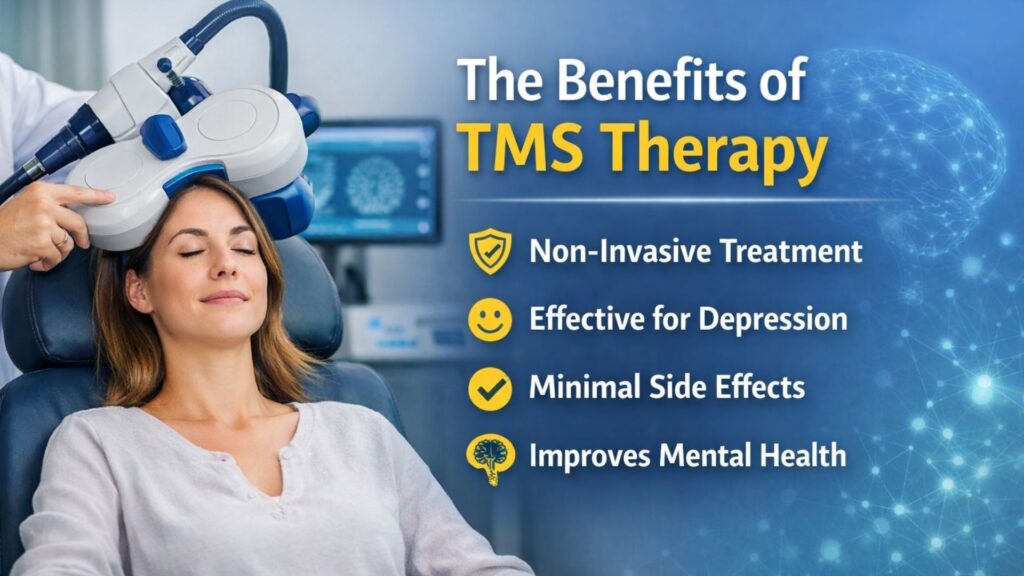
- Non-invasive – No surgery or anesthesia required
- Minimal side effects – Most patients experience only mild headaches or scalp discomfort
- Outpatient procedure – Sessions typically last 20–40 minutes, allowing patients to resume normal activities afterward
- Complementary – Can be combined with medications and psychotherapy for enhanced results
- Evidence-based – Clinical studies show promising results in mood stabilization and depression relief
TMS Therapy for Bipolar Disorder
While TMS therapy has been extensively studied and widely used for depression, research into its application for bipolar disorder is rapidly expanding. Emerging studies indicate that TMS can help reduce the frequency and severity of depressive episodes, stabilize mood fluctuations, and improve overall emotional regulation. By targeting specific brain regions responsible for mood control, TMS provides a non-invasive approach that complements traditional treatments such as medications and psychotherapy. Patients undergoing TMS therapy have reported improvements in energy, focus, and day-to-day functioning, suggesting that this innovative treatment has the potential to enhance overall quality of life for individuals with bipolar disorder.
How TMS Helps
- Stabilizes mood swings by regulating neural activity in areas responsible for emotion
- Reduces depressive symptoms in patients who do not respond to medication
- Minimizes reliance on medications for some patients under medical supervision
Some patients report improved focus, better sleep, and increased emotional resilience after completing TMS therapy. While results vary, many experience lasting benefits that improve daily functioning and quality of life.
Expected Outcomes
- Noticeable improvements in mood within 3–6 weeks of treatment
- Reduced frequency and severity of mood episodes
- Increased energy, motivation, and concentration
- Enhanced overall quality of life and interpersonal relationships
Who Can Benefit from TMS Therapy?
TMS therapy is generally considered for individuals who:
- Have treatment-resistant bipolar disorder
- Are seeking non-pharmacological treatment options
- Can commit to daily or frequent treatment sessions for several weeks
Considerations for suitability include:
- Age and overall health
- Severity and type of bipolar disorder
- Current medications and therapy plans
A thorough consultation with a TMS provider ensures that treatment is safe and appropriate for each patient.
Preparing for TMS Therapy
Before beginning TMS therapy, patients typically undergo a comprehensive evaluation, including
- Review of medical and psychiatric history
- Assessment of current medications
- Brain imaging or mapping to target specific areas
- Explanation of the treatment schedule, expected outcomes, and potential side effects
Preparation also involves setting realistic expectations. TMS is not an immediate cure but a process that works gradually over several weeks. Commitment to the full treatment plan maximizes the likelihood of success.
Frequently Asked Questions (FAQs)
Q1: Is TMS therapy safe for bipolar disorder?
A1: Yes, TMS is non-invasive and generally well-tolerated. Most side effects are mild, such as headaches or scalp discomfort.
Q2: How long does a TMS treatment session take?
A2: Each session usually lasts 20–40 minutes, with a typical course consisting of daily treatments for 4–6 weeks.
Q3: Will TMS replace my medication?
A3: TMS is often used alongside medications and therapy. Some patients may reduce medications under medical supervision, but it is not typically a complete replacement.
Q4: How soon can I notice results?
A4: Many patients notice improvements within 3–6 weeks, though individual responses vary.
Q5: Are there any long-term side effects?
A5: TMS has a strong safety profile with minimal long-term risks. Most patients experience lasting benefits with continued monitoring.
Q6: Is TMS therapy painful?
A6: Most patients report mild discomfort at the treatment site, similar to a tapping sensation. Pain is temporary and usually resolves after the session.
Q7: Can TMS therapy help prevent future mood episodes?
A7: While TMS primarily reduces current symptoms, many patients experience improved resilience and fewer severe episodes when combined with ongoing therapy and lifestyle strategies.
Tips for Supporting Mental Health During TMS Therapy
To enhance the effectiveness of TMS therapy, patients may consider:
- Maintaining a regular sleep schedule
- Engaging in physical activity to support mood regulation
- Practicing stress-reduction techniques like meditation or deep breathing
- Following medication and therapy plans as advised by their provider
- Keeping a mood journal to track progress and identify triggers
These strategies work alongside TMS to promote long-term mental wellness.
Conclusion
Bipolar disorder is a complex and often misunderstood mental health condition that can significantly impact daily life, relationships, and overall well-being. While traditional treatments such as medications and psychotherapy have helped many patients manage their symptoms, some individuals continue to experience mood swings and depressive episodes that interfere with their quality of life. Fortunately, emerging therapies like Transcranial Magnetic Stimulation (TMS) offer a promising, non-invasive option for mood stabilization.
TMS uses targeted magnetic pulses to stimulate specific areas of the brain associated with emotional regulation, helping to reduce depressive symptoms and improve overall mood. When combined with traditional treatments, TMS therapy can provide a holistic approach to managing bipolar disorder, empowering patients to take a more active role in their mental health. If you or a loved one struggles with bipolar disorder, consulting a qualified TMS provider may be the first crucial step toward lasting relief, emotional stability, and a renewed sense of control over your life.
Take the first step toward managing bipolar disorder with TMS therapy. Contact Palmier TMS today to schedule a consultation:
📞 Phone Number (Call or Text): 314-697-4867
🌐 Website: https://palmiertms.com
📍 Locations:
Chesterfield: 112 Chesterfield Commons East Rd., Chesterfield, MO 63005
Richmond Heights: 1505 S Big Bend Blvd, Richmond Heights, MO
Explore the benefits of TMS therapy and take control of your mental wellness with the guidance of experienced professionals.