

Is TMS Therapy Right for You? What to Expect During Your First Session
Transcranial Magnetic Stimulation (TMS) therapy has emerged as a groundbreaking, non-invasive treatment option for individuals battling depression and other mental health conditions. Approved by the FDA, TMS is especially beneficial for those who haven’t found relief through traditional treatments like medication or psychotherapy. If you’ve been living with persistent symptoms of depression, anxiety, or obsessive-compulsive disorder (OCD), you might be wondering whether TMS could be the right choice for you.
TMS works by using magnetic pulses to stimulate specific areas of the brain associated with mood regulation—most commonly the left prefrontal cortex. These pulses help “reboot” neural activity, often leading to improved mood and cognitive function over time. A typical TMS session lasts about 20 to 40 minutes, and it’s performed while you’re fully awake and seated comfortably. There’s no need for anesthesia, and side effects are generally mild, such as scalp discomfort or headaches.
Ideal candidates for TMS are adults who haven’t responded well to antidepressant medications or who experience intolerable side effects. It’s also a great option for those seeking a drug-free alternative. As with any treatment, a proper evaluation by a healthcare provider is essential to determine if TMS therapy is right for you.
What is TMS Therapy?
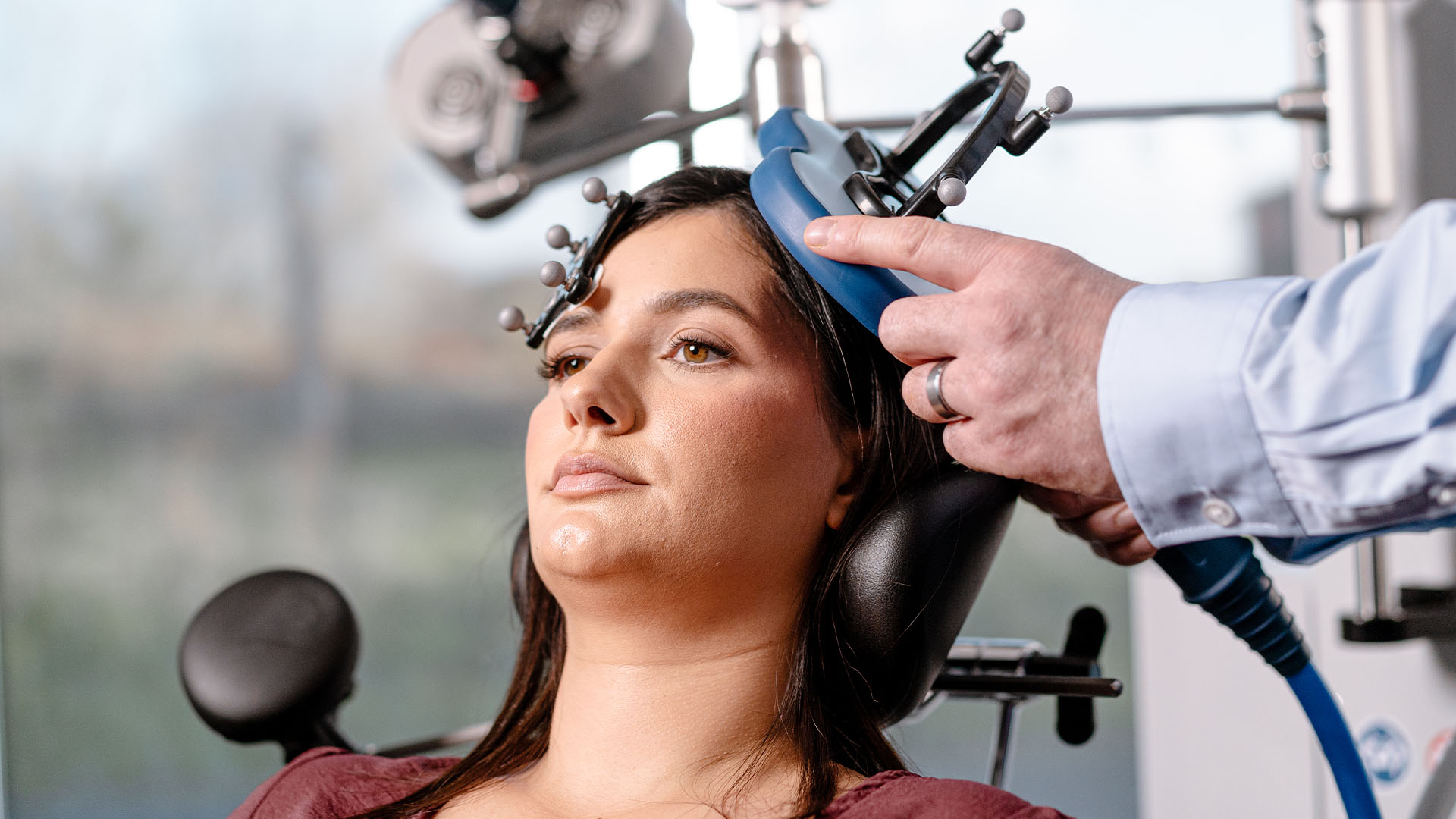
Transcranial Magnetic Stimulation (TMS) therapy is a non-invasive, FDA-approved treatment that uses magnetic fields to stimulate nerve cells in the brain. It’s primarily used to treat major depressive disorder, particularly in individuals who haven’t responded well to traditional treatments such as antidepressant medications or psychotherapy. TMS targets specific areas of the brain involved in mood regulation, especially the left prefrontal cortex, which tends to be underactive in people with depression.
The treatment involves placing a magnetic coil against the scalp, which delivers short magnetic pulses to the brain. These pulses stimulate nerve cells and help restore normal brain activity. A typical session lasts 20 to 40 minutes, and most people undergo treatment five days a week for four to six weeks. Since TMS does not require anesthesia and has minimal side effects—usually limited to mild headaches or scalp discomfort—patients can resume normal activities immediately afterward.
TMS is an appealing option for individuals seeking a drug-free alternative or those who experience side effects from medication. It’s also being explored for other mental health conditions like anxiety, OCD, and PTSD. With growing research supporting its effectiveness, TMS therapy offers a promising path forward for those struggling with treatment-resistant depression.
How Does TMS Therapy Work?
The process behind TMS therapy involves the use of an electromagnetic coil placed on the scalp. This coil generates electromagnetic pulses that stimulate nerve cells in the brain, specifically targeting areas that are underactive in people with depression. These pulses are designed to improve brain function by activating neurons that are associated with mood regulation, ultimately helping to relieve the symptoms of depression.
Unlike traditional treatments that rely on medication, which can often come with side effects, TMS focuses on directly stimulating specific parts of the brain involved in mood, offering a more targeted approach to treatment. One of the benefits of TMS therapy is that it is non-invasive and does not require any form of anesthesia or sedation.
Who is a Good Candidate for TMS Therapy?

While TMS therapy can be highly effective for many individuals, it’s not suitable for everyone. The ideal candidate for TMS therapy is someone who has been diagnosed with major depressive disorder (MDD) and has not responded adequately to traditional treatments such as antidepressant medications or talk therapy. These individuals are often considered to have treatment-resistant depression, making TMS a valuable alternative.
Candidates should generally be adults over the age of 18 with no history of seizures or epilepsy, as TMS uses magnetic stimulation that could potentially trigger seizures in susceptible individuals. Additionally, those with metal implants or medical devices in or near the head—such as pacemakers, cochlear implants, or aneurysm clips—may not be eligible, as the magnetic fields could interfere with these devices.
TMS therapy is especially appealing for individuals seeking a drug-free treatment option or those who experience intolerable side effects from medication. It is also suitable for people who prefer a non-invasive procedure that doesn’t require anesthesia or recovery time.
A comprehensive evaluation by a mental health professional is essential to determine candidacy. If you meet the necessary medical criteria and have struggled with depression despite other treatments, TMS may offer a safe and effective path toward recovery:
- Suffers from Treatment-Resistant Depression
TMS is most effective for individuals who have not responded well to antidepressant medications or other forms of treatment. If you’ve tried multiple medications without success, TMS could be a viable option for you. - Has Major Depressive Disorder (MDD)
TMS is FDA-approved for treating Major Depressive Disorder (MDD), especially in patients who haven’t experienced significant improvements with other treatments. It can also be effective for individuals who are unable to tolerate the side effects of antidepressant medications. - Is Looking for a Non-Invasive Treatment Option
If you’re seeking an alternative to medications or have concerns about the side effects of traditional treatments, TMS offers a non-invasive option with minimal side effects. - Is Free from Certain Contraindications
TMS is not recommended for individuals with certain medical conditions, such as implanted devices like pacemakers or cochlear implants, as the magnetic pulses may interfere with these devices. It’s essential to discuss your medical history with your healthcare provider to determine if TMS is right for you. - Is Committed to Completing the Treatment Course
TMS therapy typically requires several sessions to be effective, with treatments typically administered over the course of 4-6 weeks. Individuals who are ready to commit to the schedule of daily or near-daily sessions are ideal candidates for TMS therapy.
What to Expect During Your First TMS Session
If you’re considering TMS therapy, knowing what to expect during your first session can ease any nervousness. The session typically begins with a brief consultation where the technician measures your head to find the right spot for stimulation. You’ll sit in a comfortable chair while a magnetic coil is placed gently against your scalp. The device delivers magnetic pulses, which may feel like light tapping on your head. The session lasts about 20 to 40 minutes, and you’re awake the entire time. Afterward, you can resume normal activities immediately—no downtime or recovery needed. Most patients find the procedure well-tolerated and straightforward.
1. Consultation with a TMS Specialist
Before beginning TMS therapy, you’ll have a consultation with a specialist. During this appointment, the provider will evaluate your medical history, discuss your mental health concerns, and determine if TMS therapy is a suitable treatment option for you. The specialist will also explain the entire process, including the expected duration and any potential side effects.
2. Pre-Treatment Assessment
On the day of your first TMS therapy session, the specialist will begin with a pre-treatment assessment to ensure the procedure is both safe and effective for you. This assessment typically starts with measuring your head to determine the precise location for placing the magnetic coil. Accurate placement is essential to target the specific areas of the brain associated with mood regulation, particularly the left prefrontal cortex, which is often underactive in individuals with depression.
During the assessment, the specialist will also review your medical history to check for any contraindications. This may include evaluating any metal implants, medical devices like pacemakers or cochlear implants, or a history of seizures, which could interfere with the magnetic pulses used in TMS therapy. The technician will ensure that you’re a suitable candidate for the treatment and that there are no risks involved with your current health status.
Once the assessment is complete, you’ll be comfortably seated in a chair, and the magnetic coil will be positioned against your scalp. Throughout the session, the technician will adjust the settings as necessary to optimize treatment while ensuring your comfort. The procedure is generally well-tolerated, and you can resume your normal activities immediately afterward.
3. The TMS Session Itself
Once the proper measurements are taken, you’ll be asked to sit in a comfortable chair while the TMS device is placed on your scalp. The procedure is non-invasive, and there’s no need for anesthesia or sedation. During the session, you’ll feel a series of tapping sensations on your scalp as the electromagnetic pulses are delivered to the targeted areas of the brain.
Each session typically lasts between 20 and 40 minutes, and you may be asked to return for multiple sessions over several weeks. Most people experience little to no discomfort during the session, although some may feel mild headaches or scalp discomfort. These side effects are generally temporary and subside after the treatment.
4. Post-Treatment Care
After your TMS session, you can resume your normal activities right away, as there’s no recovery time needed. The treatment doesn’t require anesthesia or sedation, so you won’t feel groggy or fatigued afterward. Most patients experience minimal side effects, such as mild scalp discomfort or a slight headache, which usually subside quickly. You’ll be able to drive yourself home and continue your day as usual. TMS therapy is convenient for those with busy schedules since it doesn’t disrupt daily life. Over time, as you complete multiple sessions, you may start to notice improvements in mood and mental clarity.
5. Regular Follow-Up Sessions
TMS therapy typically involves daily sessions over the course of 4-6 weeks. As you progress through treatment, your specialist will monitor your progress and make adjustments to the treatment as necessary.
Benefits of TMS Therapy
TMS therapy offers numerous benefits for individuals struggling with depression, including:
- Non-Invasive Treatment: Unlike other treatments that may involve surgery or medication, TMS therapy is non-invasive, requiring no recovery time.
- Minimal Side Effects: TMS therapy is generally well-tolerated, with minimal side effects, making it an appealing option for those who struggle with the side effects of antidepressant medications.
- Targeted Brain Stimulation: TMS directly stimulates areas of the brain associated with mood regulation, offering a more precise and effective approach to treating depression.
- Improvement in Symptoms: Many patients experience significant improvements in mood and a reduction in depression symptoms after completing a course of TMS therapy.
FAQs About TMS Therapy
Q: How long does it take to see results from TMS therapy?
A: Some patients begin to notice improvements in their symptoms after 2-4 weeks of treatment, but full results may take up to 6 weeks to become apparent.
Q: Is TMS therapy covered by insurance?
A: Many insurance companies cover TMS therapy for patients with treatment-resistant depression. It’s recommended to check with your insurance provider to confirm coverage.
Q: Are there any side effects of TMS therapy?
A: The most common side effects include mild headaches, scalp discomfort, or lightheadedness. These side effects are usually temporary and resolve shortly after treatment.
Q: How many sessions of TMS therapy are needed?
A: A typical course of TMS therapy consists of 20-30 sessions, usually administered daily or multiple times a week over a 4-6 week period.
Q: Can TMS therapy be used for conditions other than depression?
A: TMS is FDA-approved for treating depression, but ongoing research suggests it may also be effective for other conditions, including anxiety, PTSD, and OCD.
Conclusion
TMS therapy offers hope for those who have struggled with depression or other mental health challenges without finding relief from traditional treatments. This non-invasive procedure provides targeted brain stimulation to improve mood regulation and reduce the symptoms of depression. While it’s not for everyone, those who are good candidates for TMS therapy often experience significant benefits.
If you’re considering TMS therapy as a treatment option, it’s essential to consult with a qualified provider who can assess your specific needs and determine whether this therapy is right for you.
Ready to Take the Next Step Toward Healing?
If you’re struggling with depression and other treatments haven’t worked for you, TMS therapy may be the answer. At Palmier TMS, we’re here to help you get back to living your best life.
📍Visit us: 112 Chesterfield Commons East Rd, Chesterfield, MO 63005
📞Call: (314) 697-4867
📩Email: info@palmiertms.com
🌐Learn more or book a consultation at palmiertms.com
Let us help you break free from the grip of depression. Start your journey toward healing today!
Related Articles and Studies:
- Utilization and outcomes of transcranial magnetic stimulation and… – (Published 2024)
This real-world study found that patients with major depressive disorder (MDD) undergoing TMS experienced statistically significant improvements in depression severity, with more than half achieving a clinically meaningful response. PMC - Brain stimulation poised to move from last resort to frontline treatment – (Published 2023)
TMS is now considered an effective and safe treatment for major depressive disorder in adults for whom medications have failed. PMC - Efficacy of transcranial magnetic stimulation in treatment-resistant… – (Published 2023)
This study investigates the efficacy of TMS on depression and accompanying anxiety symptoms among patients with treatment-resistant depression (TRD). PMC - Consensus review and considerations on TMS to treat depression – (Published 2024)
TMS continues to demonstrate broad evidence for safety and efficacy in treating depression. Newer forms of TMS are faster and potentially more effective. ScienceDirect - Efficacy and safety of transcranial magnetic stimulation for treating… – (Published 2022)
Results suggest that the effects and safety of TMS in treating MDD may be lower in some populations than previously estimated, indicating the need for further research. ScienceDirect - Accelerated TMS – moving quickly into the future of depression… – (Published 2023)
Accelerated TMS appears promising in reducing treatment time and achieving rapid reduction in depressive symptoms, though significant work remains to be done. Nature - Trajectories of improvement with repetitive transcranial magnetic… – (Published 2024)
The BRIGhTMIND trial, a double-blind randomized controlled trial, compared different rTMS pulse sequences and localization methods for treatment-resistant depression, providing insights into treatment trajectories. Nature - Efficacy of repetitive transcranial magnetic stimulation (rTMS… – (Published 2023)
A meta-analysis revealed that nearly 40% of TRD patients responded to active rTMS treatment, with remission rates significantly higher than in placebo groups. BioMed Central - Short-term and long-term efficacy of accelerated transcranial… – (Published 2023)
Recent meta-analyses have shown that TMS, particularly bilateral theta burst stimulation (TBS), can reduce depressive symptoms in the treatment of MDD. BioMed Central - Transcranial magnetic stimulation – Mayo Clinic – (Published 2023)
An overview of TMS as a noninvasive procedure using magnetic fields to stimulate nerve cells in the brain, improving symptoms of major depression. Mayo Clinic - TMS Therapy: What It Treats, Benefits, Side Effects, and Costs – (Published 2021)
TMS therapy is primarily used to treat major depressive disorder when other treatments have failed, with sessions typically lasting 20-50 minutes over several weeks. Verywell Health - TMS: Exploring Transmagnetic Stimulation & Its Effectiveness – (Published 2024)
Research indicates that TMS significantly reduces both anxiety and depressive symptoms in patients with comorbid conditions, with improvements maintained post-treatment. - TMS Therapy Success Rate for Depression & OCD – (Published 2023)
Recent research shows response rates for TMS in treating depression ranging from 40-60%, with remission rates between 30-50%. TMS Therapy Near Me