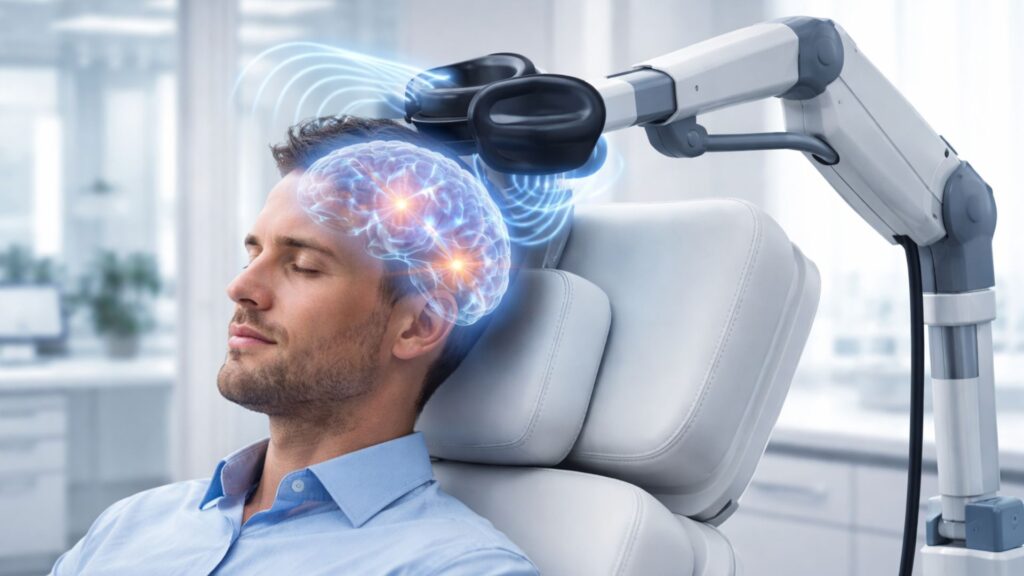

How TMS Therapy is Revolutionizing Depression Treatment

Depression is a serious mental health condition that affects millions of people across the globe. It can be debilitating, impacting nearly every aspect of life, including work, relationships, and daily routines. For many individuals, depression can feel like a heavy burden that is difficult to overcome, often accompanied by feelings of hopelessness, fatigue, and a lack of motivation. Traditional treatments, such as antidepressant medications and psychotherapy, have been proven to help many people manage their symptoms. However, these approaches are not always effective for everyone. Some individuals may try multiple medications and various forms of therapy with little to no improvement, leaving them frustrated and emotionally exhausted.
In recent years, Transcranial Magnetic Stimulation (TMS) therapy has emerged as a promising alternative for those who have not found relief through conventional treatments. TMS therapy is a non-invasive, FDA-approved procedure that uses magnetic pulses to stimulate specific areas of the brain associated with mood regulation. Unlike medication, it does not require systemic drugs or cause the common side effects often linked to antidepressants. For many patients, TMS offers a renewed sense of hope, providing an effective path toward relief and improving quality of life for individuals battling treatment-resistant depression.
What is TMS Therapy?
TMS therapy is a non-invasive, FDA-approved treatment designed to address depression in a unique and targeted way. It works by using magnetic fields to stimulate specific areas of the brain that are responsible for mood regulation. This targeted stimulation helps to activate neural pathways that may be underactive in individuals experiencing depression. Unlike traditional medications, TMS therapy does not rely on chemicals circulating throughout the body, which means it avoids many of the systemic side effects commonly associated with antidepressants, such as weight gain, fatigue, or gastrointestinal issues.
Instead, TMS works directly on the brain, enhancing its natural activity to improve mood and reduce depressive symptoms. The treatment is typically performed in an outpatient setting, where patients remain awake and alert throughout the session, with little to no recovery time needed afterward. Over a series of treatments, many individuals experience significant improvements in mood, energy levels, and overall quality of life. For those who have struggled with treatment-resistant depression, TMS therapy represents a safe, effective, and innovative approach that offers new hope for recovery without the drawbacks of traditional medications.
Here’s how it works:
Transcranial Magnetic Stimulation (TMS) therapy is an advanced, non-invasive treatment for depression that works by directly targeting the areas of the brain involved in mood regulation. A specialized device delivers repetitive magnetic pulses to the prefrontal cortex, a region that is often underactive in individuals struggling with depression. These pulses stimulate the nerve cells in that area, helping to “reset” the brain’s natural activity and improve communication between neural pathways. By enhancing activity in these mood-related regions, TMS can effectively reduce depressive symptoms over time.
Treatment typically involves a series of sessions, and many patients begin to notice a significant improvement in mood, energy levels, and overall mental well-being as therapy progresses. Unlike traditional antidepressant medications, TMS therapy is completely drug-free and does not involve chemicals circulating through the body, which eliminates the risk of systemic side effects. It also does not require anesthesia or any invasive procedures. Patients remain awake and alert throughout each session and can immediately return to their normal daily routines afterward, making it a convenient and safe option.
For individuals who have not found relief through medication or psychotherapy, TMS therapy offers a new pathway to recovery, providing hope and a better quality of life.
Why TMS Therapy is Changing the Game for Depression
TMS therapy is considered revolutionary for several reasons:
1. Effective for Treatment-Resistant Depression
Many individuals with major depressive disorder (MDD) struggle to find relief with traditional treatments such as antidepressant medications or psychotherapy. For some, these methods provide little to no improvement, leaving them feeling trapped and hopeless after multiple failed attempts. This is where Transcranial Magnetic Stimulation (TMS) therapy offers new possibilities. TMS has been shown to be effective for patients with treatment-resistant depression, offering an alternative approach that directly targets the brain’s mood-regulating areas. By stimulating neural activity, TMS provides hope for those who have not responded to conventional treatments, helping them achieve meaningful improvements in mood and overall mental health.
2. Minimal Side Effects Compared to Medications
Antidepressant medications, while effective for many, often come with a range of unwanted side effects. These can include weight gain, drowsiness, sexual dysfunction, and gastrointestinal problems, which may discourage patients from continuing their treatment. In contrast, Transcranial Magnetic Stimulation (TMS) therapy offers a safer, more tolerable alternative. The most common side effect of TMS is mild scalp discomfort or a slight headache at the treatment site, both of which typically resolve quickly, either on their own or with minimal intervention. This favorable side effect profile makes TMS an appealing option for individuals seeking effective depression treatment without the burdens of systemic medication.
3. Non-Invasive and Painless Process
Unlike electroconvulsive therapy (ECT), Transcranial Magnetic Stimulation (TMS) therapy does not require sedation, hospitalization, or result in memory loss. The treatment is designed to be simple, safe, and convenient, making it accessible for individuals with busy schedules. TMS sessions are conducted entirely on an outpatient basis, meaning patients can arrive for their appointment, complete the procedure, and leave the clinic without the need for recovery time. The therapy does not interfere with cognitive function or daily routines, allowing individuals to return to work, school, or other activities immediately afterward. This ease of integration into everyday life makes TMS a highly practical option for treating depression.
4. Cognitive and Emotional Improvements
Transcranial Magnetic Stimulation (TMS) therapy offers benefits that extend beyond improving mood. By stimulating underactive areas of the brain involved in depression, TMS can also enhance focus, concentration, and overall cognitive function. Many patients report experiencing a renewed sense of motivation and mental clarity as their treatment progresses, which allows them to reengage in activities they once found difficult or overwhelming. This boost in cognitive performance, combined with mood improvement, helps individuals regain control of their lives and rebuild a sense of normalcy. For those struggling with depression’s daily challenges, TMS provides a path toward lasting emotional and mental well-being.
5. Long-Lasting Results
With proper treatment and occasional maintenance sessions, Transcranial Magnetic Stimulation (TMS) therapy can provide lasting benefits for individuals struggling with depression. Many patients experience significant improvements that extend for months, and in some cases, even years after completing their initial course of therapy. These long-term effects allow patients to enjoy an enhanced quality of life, free from the constant weight of depressive symptoms. Maintenance sessions, when needed, help sustain these positive outcomes and prevent relapse. By offering the potential for enduring relief, TMS therapy empowers individuals to reclaim their daily routines, relationships, and emotional well-being with renewed confidence and stability.
The Science Behind TMS Therapy
TMS therapy works on the principle of neuromodulation. By delivering magnetic pulses to the prefrontal cortex, TMS stimulates underactive neurons associated with mood control. This increased activity promotes the release of neurotransmitters like serotonin, dopamine, and norepinephrine—chemicals essential for emotional balance.
Clinical studies have shown that TMS can significantly reduce symptoms of depression, even in patients who have tried multiple antidepressants without success. Many patients report noticeable improvements after just two to three weeks of treatment.
Step-by-Step TMS Treatment Experience
Initial Consultation and Evaluation:
Before beginning Transcranial Magnetic Stimulation (TMS) therapy, patients undergo a thorough evaluation conducted by a qualified healthcare provider to ensure they are suitable candidates for the treatment. This assessment typically includes a detailed review of the patient’s medical history, current health status, and the severity of their depression. Providers also consider previous treatments, including the types of antidepressant medications and psychotherapies that have been tried and their outcomes. This careful evaluation helps determine whether TMS is an appropriate and safe option, allowing providers to develop a personalized treatment plan that maximizes the chances of achieving meaningful and lasting symptom relief.
Personalized Treatment Planning:
Each Transcranial Magnetic Stimulation (TMS) treatment plan is customized to meet the unique needs of the individual. During the planning process, providers carefully identify the precise location in the prefrontal cortex to target, as this area plays a key role in mood regulation. They also determine the appropriate intensity and frequency of the magnetic pulses to ensure the therapy is both safe and effective. By tailoring the treatment to each patient’s specific brain activity and clinical history, TMS maximizes the potential for positive outcomes. This personalized approach helps optimize results, offering patients the best chance for lasting relief from depression.
What Happens During a Session:
- The patient sits in a comfortable chair.
- A magnetic coil is placed against the scalp.
- Magnetic pulses are delivered in short bursts, usually lasting 20-40 minutes.
- Patients can listen to music, watch videos, or simply relax.
Post-Treatment Expectations:
After each session, patients can resume normal activities immediately. Consistency is key, with typical treatment plans spanning 4-6 weeks, 5 days per week.
Who Can Benefit from TMS Therapy?
Transcranial Magnetic Stimulation (TMS) therapy is especially beneficial for individuals struggling with major depressive disorder (MDD), particularly when traditional treatments have not provided sufficient relief. It is ideal for people who:
- Have a diagnosis of major depressive disorder (MDD)
- Have not responded well to two or more antidepressant medications
- Experience significant or intolerable side effects from medications
- Prefer non-drug, non-invasive treatment options
TMS offers hope for those who feel limited by the challenges of traditional therapies. However, it is essential to consult with a qualified TMS provider to determine suitability and ensure the treatment is safe and effective for each individual.
*TRD = Treatment-Resistant Depression
Transcranial Magnetic Stimulation (TMS) therapy provides an exceptional balance of effectiveness and safety, offering hope to individuals struggling with depression. Unlike invasive procedures or medications that often come with significant side effects, TMS is non-invasive and well-tolerated, with the most common side effect being mild scalp discomfort that quickly resolves. Its ability to deliver meaningful relief without affecting memory or requiring anesthesia makes it an appealing choice for patients seeking a safer alternative. For those who have not found success with traditional treatments, TMS stands out as a highly effective option that supports recovery and long-term improvement in mental well-being.
Success Stories & Real-Life Impact
Many patients who complete TMS therapy report life-changing improvements:
Case 1: A 45-year-old teacher who had battled depression for 10 years experienced significant mood improvement after 5 weeks of TMS.
Case 2: A 30-year-old patient, unresponsive to 4 different medications, regained energy and motivation after TMS.
Case 3: A 60-year-old retiree found joy in daily activities again, describing TMS as “a light after years of darkness.”
These success stories highlight how TMS can restore hope and transform lives.
FAQs about TMS Therapy
Q1: Is TMS therapy safe?
Yes, TMS is FDA-approved and considered very safe. Side effects are typically mild and temporary.
Q2: How many sessions are needed to see results?
Most patients notice improvement after 2-3 weeks, with full benefits typically seen after 4-6 weeks.
Q3: Are there any side effects of TMS therapy?
Mild headaches or scalp discomfort may occur, but they usually resolve on their own.
Q4: Is TMS covered by insurance?
Many insurance plans now cover TMS therapy for treatment-resistant depression. Check with your provider for details.
Q5: Can I continue taking antidepressants during TMS?
Yes, TMS can be combined with medications for enhanced benefits.
Conclusion
TMS therapy is revolutionizing depression treatment by offering an effective, non-invasive, and life-changing option for those who have struggled with traditional therapies. With minimal side effects and long-lasting benefits, TMS provides renewed hope for individuals seeking relief from depression.
If you or someone you love is battling depression and conventional treatments have failed, TMS therapy could be the breakthrough you’ve been waiting for.
Take the first step toward a brighter future. Schedule a free consultation today to learn how TMS therapy can help you overcome depression.
Phone: 314-697-4867
Visit Us at Our Locations: Palmier TMS and Behavioral Health
Chesterfield: 112 Chesterfield Commons East Rd.
Chesterfield, MO 63005
Richmond Heights: 1505 S Big Bend Blvd,
Richmond Heights, MO 63117
Osage Beach (Ozarks): 5721 Osage Beach Parkway
Suite #300 Osage Beach, MO 65065