
How TMS Therapy and Behavioral Health Services Work Together to Treat Depression and Anxiety
Depression and anxiety are among the most common mental health disorders worldwide, impacting millions of people each year. While traditional treatments such as medication and psychotherapy provide relief for many, a significant number of individuals continue to struggle despite these interventions. For those who do not respond adequately, combining Transcranial Magnetic Stimulation (TMS) therapy with behavioral health services offers a promising, holistic approach.
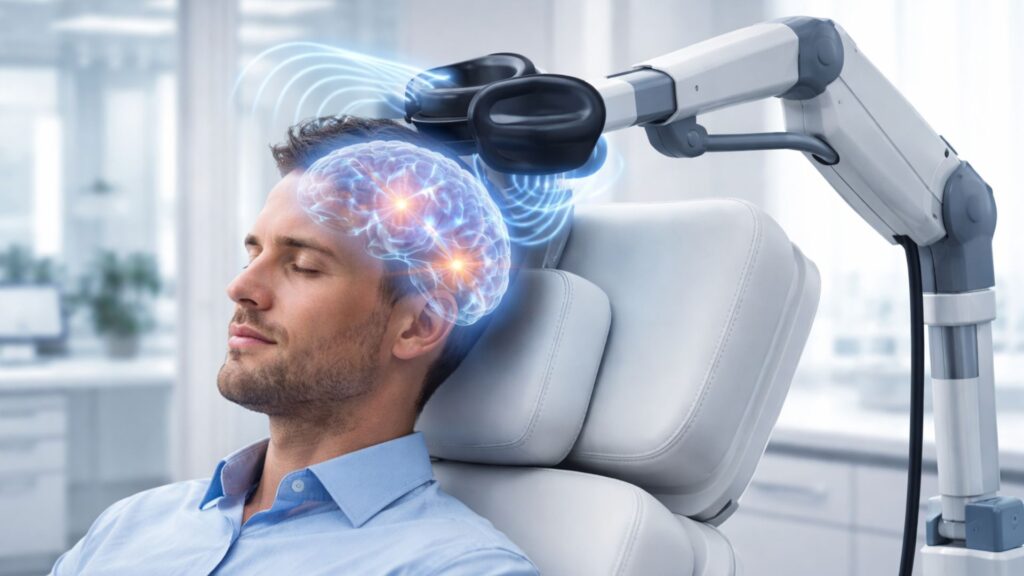
TMS is a non-invasive procedure that uses magnetic fields to stimulate specific areas of the brain associated with mood regulation. Unlike medication, TMS targets neural activity directly, often producing results in patients who have not benefited from conventional treatments. The therapy is generally well-tolerated, with minimal side effects, making it a viable option for long-term mental health management.
When integrated with behavioral health services, such as cognitive-behavioral therapy or counseling, TMS can enhance overall treatment outcomes. Behavioral therapies provide patients with coping strategies, emotional support, and tools for lifestyle adjustment, complementing the neurological benefits of TMS.
This combined approach addresses both the biological and psychological aspects of mental health disorders, offering patients a comprehensive path to recovery. By embracing innovative treatments like TMS alongside supportive behavioral care, individuals struggling with depression and anxiety can experience meaningful, lasting improvements in their quality of life.
.
Understanding Depression and Anxiety
Depression is a common mood disorder that significantly affects how a person feels, thinks, and functions in daily life. It is characterized by persistent feelings of sadness, emptiness, or hopelessness, often accompanied by a loss of interest or pleasure in activities that were once enjoyable. People experiencing depression may also suffer from fatigue, low energy, and difficulty concentrating. Changes in appetite and sleep patterns, either sleeping too much or too little, are frequent symptoms. Depression can lead to feelings of worthlessness or excessive guilt, and in severe cases, may involve thoughts of self-harm or suicide.
Anxiety disorders, on the other hand, involve excessive and persistent worry, fear, or nervousness that can interfere with daily activities. Individuals with anxiety may experience restlessness, irritability, muscle tension, rapid heartbeat, or difficulty sleeping. Panic attacks, phobias, and social anxiety are some common forms of anxiety disorders. Like depression, anxiety can affect relationships, work performance, and overall quality of life.
Both depression and anxiety are treatable conditions. Effective treatments include psychotherapy, medication, lifestyle changes, and stress management techniques. Early recognition and support are crucial for managing symptoms and improving daily functioning. Seeking help from mental health professionals can significantly enhance coping strategies, resilience, and long-term well-being.
If you want, I can also make an even more reader-friendly, simplified version for general audiences. Do you want me to do that?
What is TMS Therapy?
Transcranial Magnetic Stimulation (TMS) is an innovative, non-invasive treatment designed to help individuals with depression, anxiety, and other mood disorders. It works by using focused magnetic fields to stimulate nerve cells in targeted areas of the brain, particularly those involved in regulating mood and emotional processing. This targeted stimulation helps to improve communication between brain regions that are often underactive or dysregulated in people experiencing depression or anxiety.
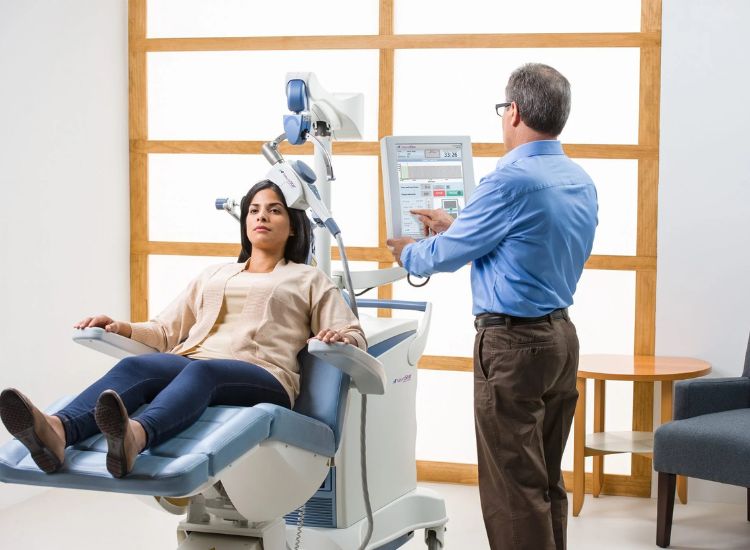
Unlike traditional medications, TMS does not rely on systemic chemical changes in the body, making it a drug-free alternative with fewer side effects. It is typically administered in a series of sessions, with each treatment lasting around 20 to 40 minutes. Patients remain awake and alert during the procedure and can usually resume normal activities immediately afterward.
TMS is especially beneficial for individuals who have not responded well to antidepressant medications or who experience intolerable side effects from drugs. Clinical studies have shown that TMS can significantly reduce symptoms of depression and anxiety, improve mood, and enhance overall quality of life.
In addition to mood regulation, TMS has been explored for other conditions such as obsessive-compulsive disorder (OCD), post-traumatic stress disorder (PTSD), and chronic pain, demonstrating its versatility as a therapeutic tool. Early consultation with a qualified mental health professional can help determine whether TMS is a suitable treatment option.
How TMS Works:
- Assessment: Patients undergo a thorough evaluation to determine suitability for TMS therapy.
- Treatment Planning: A personalized plan is created, specifying the frequency and intensity of sessions.
- Stimulation: A magnetic coil is placed over the scalp, delivering short magnetic pulses to targeted brain areas.
- Monitoring: Progress is closely monitored, and adjustments are made as needed.
Benefits of TMS:
- Non-invasive and safe with minimal side effects
- FDA-approved for major depressive disorder
- Can be combined with medication or therapy
- Provides relief for treatment-resistant depression
Behavioral Health Services: A Complementary Approach
Behavioral health services play a crucial role in supporting mental and emotional well-being. They encompass a range of therapeutic approaches, including psychotherapy, counseling, and cognitive-behavioral interventions, all aimed at helping individuals manage symptoms of depression, anxiety, and other mood disorders. These services provide a safe and structured environment where patients can explore their thoughts, emotions, and behaviors with the guidance of trained professionals.
Psychotherapy, often referred to as talk therapy, helps individuals gain insight into their emotional patterns, identify triggers for distress, and develop healthier ways of thinking and coping. Counseling focuses on addressing specific challenges or life stressors, such as relationship difficulties, work-related stress, or grief, providing practical tools and strategies to manage these situations effectively. Cognitive-behavioral interventions are structured techniques that help patients recognize negative thought patterns, challenge unhelpful beliefs, and replace them with more constructive ways of thinking and behaving.
Behavioral health services emphasize skill-building and resilience, empowering individuals to take an active role in their mental health. They also often include guidance on stress management, relaxation techniques, and lifestyle adjustments, all of which can improve overall well-being. Early intervention through behavioral health services can reduce the severity of symptoms, prevent relapse, and enhance long-term emotional and psychological health, helping patients lead more fulfilling and balanced lives.
Common Behavioral Health Approaches:
- Cognitive Behavioral Therapy (CBT): Helps patients identify and change negative thought patterns.
- Mindfulness-Based Therapy: Promotes awareness and stress reduction.
- Group Therapy: Provides support and shared experiences.
- Individual Counseling: Offers personalized guidance and emotional support.
How TMS and Behavioral Health Work Together
Combining Transcranial Magnetic Stimulation (TMS) therapy with behavioral health services offers a comprehensive and multi-faceted approach to treating mental health conditions, particularly depression and anxiety. TMS therapy, a non-invasive procedure, uses magnetic fields to stimulate specific areas of the brain involved in mood regulation. By targeting underactive brain regions, TMS can help improve neural activity and enhance emotional stability, often reducing symptoms in individuals who have not responded well to traditional medications.
Behavioral health services, including psychotherapy, counseling, and cognitive-behavioral therapy, complement TMS by addressing the psychological and emotional aspects of mental health. These services help patients understand the root causes of their depression or anxiety, develop coping strategies, and build resilience. Through talk therapy and structured interventions, patients can identify negative thought patterns, learn stress management techniques, and improve emotional regulation.
When combined, TMS and behavioral health services create a synergistic treatment plan that addresses both the biological and psychological dimensions of mental health. While TMS works to correct neurological imbalances, behavioral therapies provide patients with practical tools to manage daily stressors, improve relationships, and enhance overall well-being. This integrated approach often leads to faster symptom relief, sustained improvements, and a higher quality of life, offering patients a well-rounded, effective pathway toward long-term mental health recovery.
- Enhanced Effectiveness: TMS targets the neurological aspects of depression and anxiety, while behavioral health addresses psychological and emotional factors.
- Sustained Improvement: Therapy equips patients with long-term coping mechanisms, preventing relapse.
- Personalized Care: Behavioral health professionals can tailor sessions based on TMS outcomes and patient progress.
- Addressing Treatment Resistance: Some patients who do not respond to medications may benefit significantly from this combined approach.
Who Can Benefit?
Patients who may benefit from a combination of Transcranial Magnetic Stimulation (TMS) therapy and behavioral health services are those struggling with depression, anxiety, or other mood disorders that have not responded adequately to traditional treatments. This approach is particularly valuable for individuals who have tried multiple medications or therapy sessions without achieving significant improvement. TMS can target specific areas of the brain associated with mood regulation, while behavioral health services provide support in developing coping strategies and addressing underlying psychological factors.
Individuals experiencing severe or persistent depressive symptoms, such as prolonged sadness, fatigue, loss of interest in activities, or feelings of hopelessness, are often strong candidates for this integrated approach. Likewise, those with chronic anxiety, excessive worry, or panic attacks that interfere with daily functioning may find relief through the combined effects of TMS and therapy.
Other patients who may benefit include those seeking a non-pharmacological option due to medication side effects, individuals recovering from trauma or stress-related disorders, and people who want to enhance the effectiveness of ongoing therapy. The combination of TMS and behavioral health services provides a comprehensive treatment plan that addresses both neurological and psychological aspects of mental health. By targeting the brain and mind simultaneously, patients have a higher likelihood of achieving long-term symptom relief, improved emotional resilience, and an overall better quality of life.
- Individuals with treatment-resistant depression
- Those experiencing chronic anxiety
- Patients seeking non-drug alternatives
- People looking for comprehensive mental health support
Typical Treatment Plan
- Initial Consultation: Evaluate medical history, mental health status, and treatment goals.
- TMS Sessions: Typically conducted 4-5 times per week for 4-6 weeks.
- Behavioral Therapy Sessions: Scheduled weekly or biweekly, complementing TMS.
- Ongoing Monitoring: Progress is tracked, and adjustments are made for optimal results.
FAQs
Q: Is TMS therapy painful?
A: Most patients feel a tapping sensation on the scalp, which is generally well-tolerated.
Q: How long before I see results from TMS?
A: Many patients notice improvements within 2-4 weeks, with full benefits typically observed after a complete treatment cycle.
Q: Can I combine TMS with medication?
A: Yes, TMS can be safely combined with antidepressants or other prescribed medications.
Q: Are there side effects?
A: Common side effects are mild and may include headache or scalp discomfort. Serious side effects are rare.
Q: Do I still need therapy if I’m receiving TMS?
A: Behavioral therapy complements TMS by addressing underlying thoughts, behaviors, and coping strategies, providing more comprehensive care.
Conclusion
Depression and anxiety are complex mental health conditions that can be difficult to manage with traditional treatments alone. However, combining Transcranial Magnetic Stimulation (TMS) therapy with behavioral health services provides a promising and holistic approach. TMS uses targeted magnetic fields to stimulate specific areas of the brain involved in mood regulation, addressing the neurological components of these disorders. This can help reduce symptoms such as persistent sadness, hopelessness, and excessive worry, particularly in individuals who have not responded well to medication.
Behavioral health services, including psychotherapy, counseling, and cognitive-behavioral therapy, complement TMS by focusing on the psychological and emotional aspects of mental health. Patients learn coping strategies, improve emotional regulation, and gain insights into patterns that contribute to their distress.
By integrating advanced technology with personalized therapeutic care, this dual approach addresses both the brain and the mind. The result is more effective, sustainable treatment, giving patients a better chance of achieving lasting relief, enhanced resilience, and an improved overall quality of life.
If you or a loved one is struggling with depression or anxiety, seeking comprehensive care is an important first step. Palmieri TMS provides expert Transcranial Magnetic Stimulation (TMS) therapy combined with behavioral health services to address both the neurological and psychological aspects of mental health. This integrated approach helps patients manage symptoms, develop coping strategies, and improve emotional well-being. By offering personalized treatment plans, Palmieri TMS ensures care is tailored to each individual’s needs, increasing the likelihood of lasting relief. Taking action today can set the path toward better mental health, resilience, and an improved quality of life.
📞 Contact Information
Phone/Text: +1 (314) 697-4867
Website: https://palmiertms.com
📍 Clinic Locations
Chesterfield, MO: 112 Chesterfield Commons East Rd, Chesterfield, MO 63005
Richmond Heights, MO: 1505 S Big Bend Blvd, Richmond Heights, MO 63117
Osage Beach (Lake of the Ozarks), MO: 5721 Osage Beach Parkway, Suite #300, Osage Beach, MO 65065
Take control of your mental health today and explore how TMS therapy and behavioral health services can work together for you.