
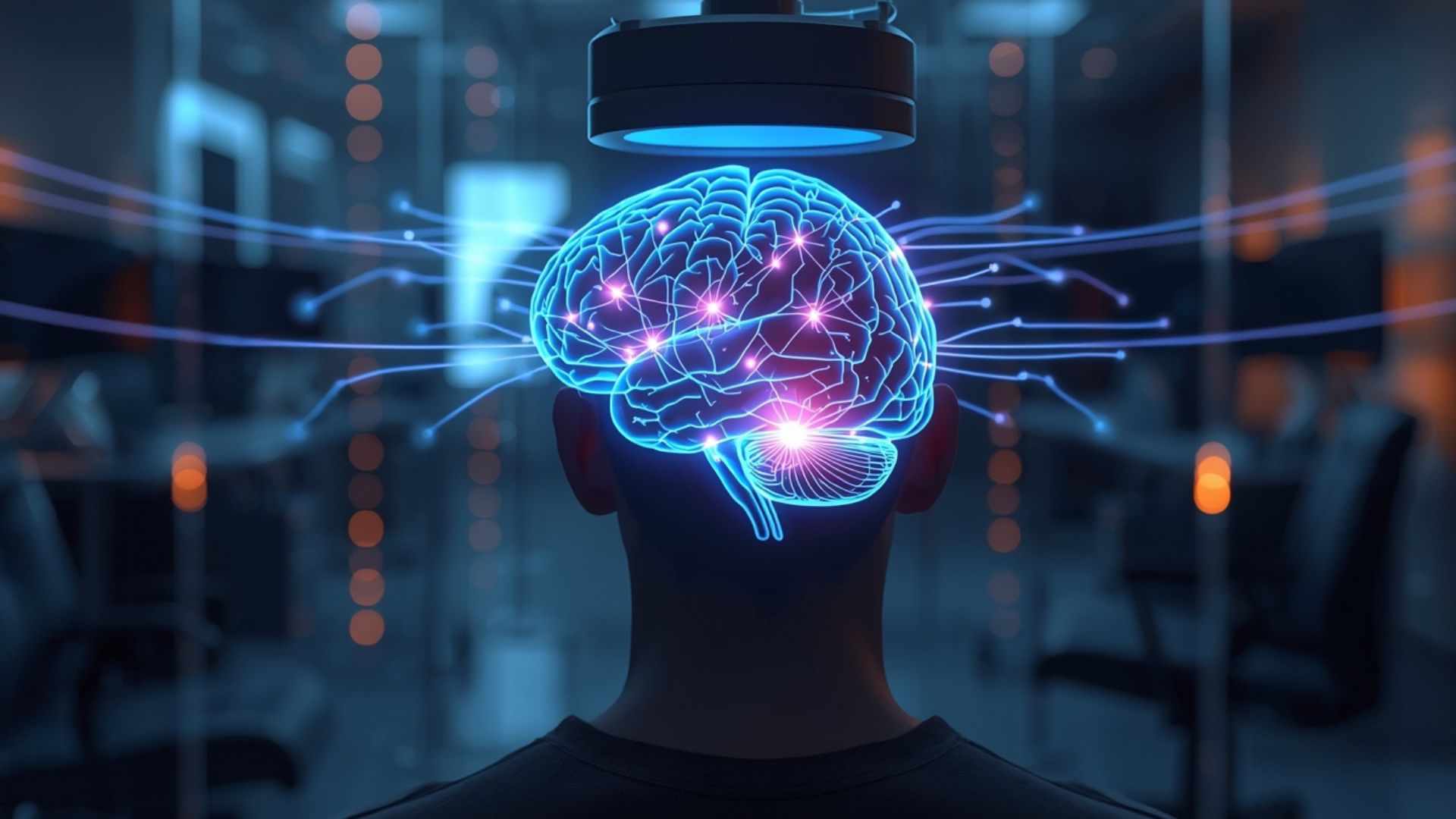
How TMS Works on the Brain Part 7:Subcortical Effects of TMS on Neural Pathways
How TMS Works on the Brain Part 7:Subcortical Effects of TMS on Neural Pathways Transcranial magnetic stimulation (TMS) is widely
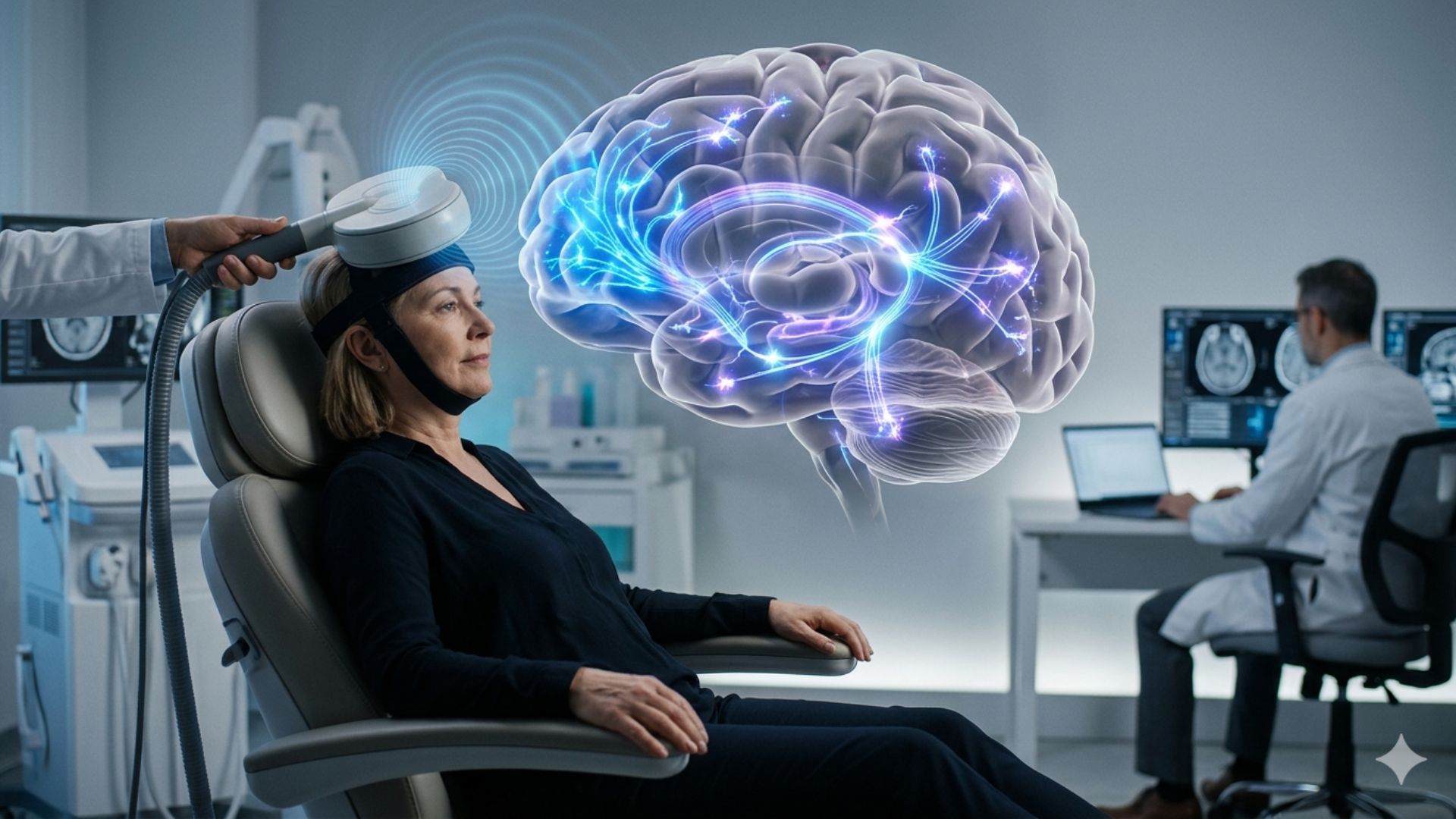
How TMS Works on the Brain Part 6:Cortical Modulation and Connectivity Changes
How TMS Works on the Brain Part 6: Cortical Modulation and Connectivity Changes Transcranial magnetic stimulation (TMS) is more than
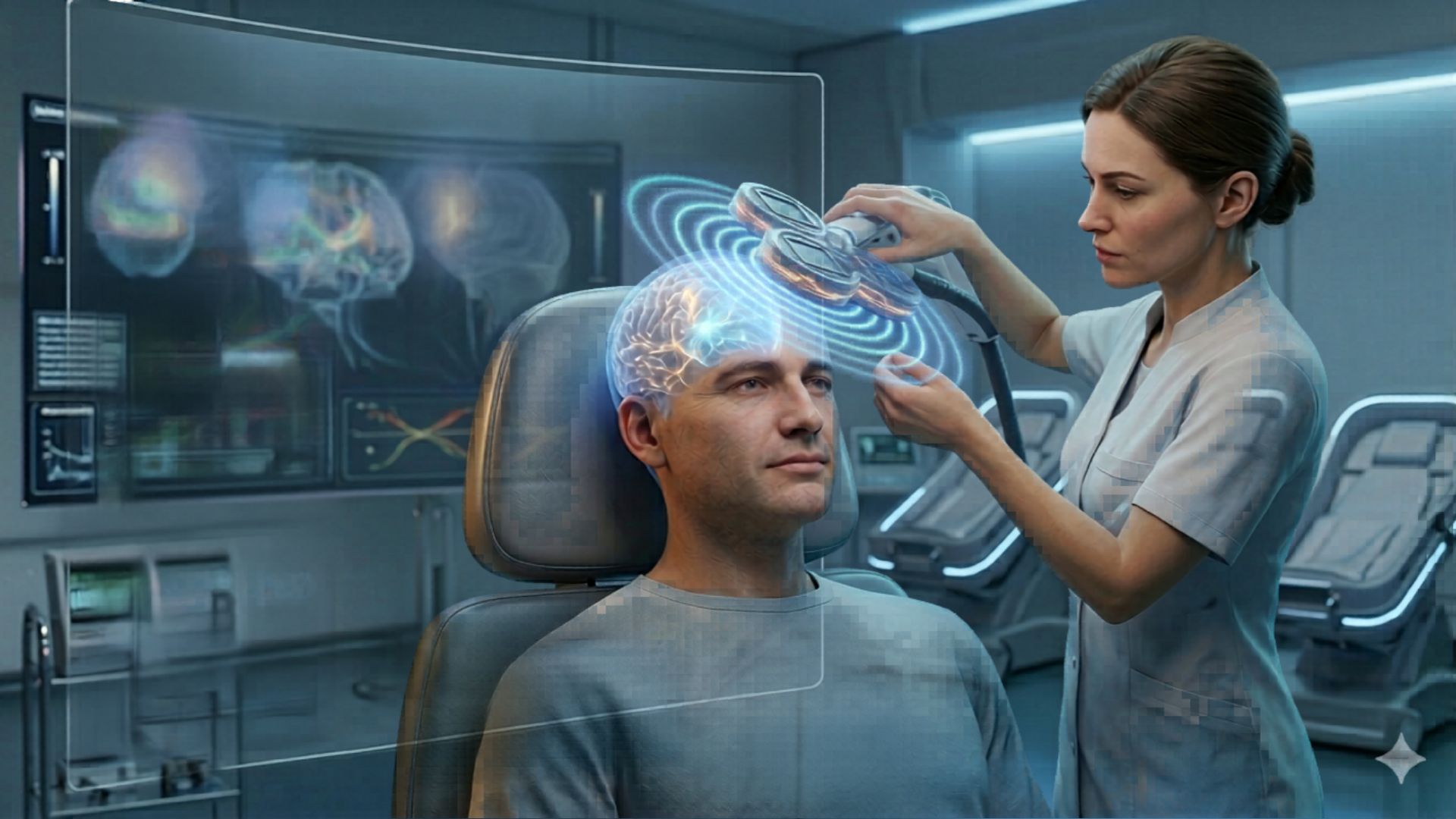
How TMS Works on the Brain Part 5:Targeting Specific Brain Regions with TMS
How TMS Works on the Brain Part 5:Targeting Specific Brain Regions with TMS One of the most powerful aspects of
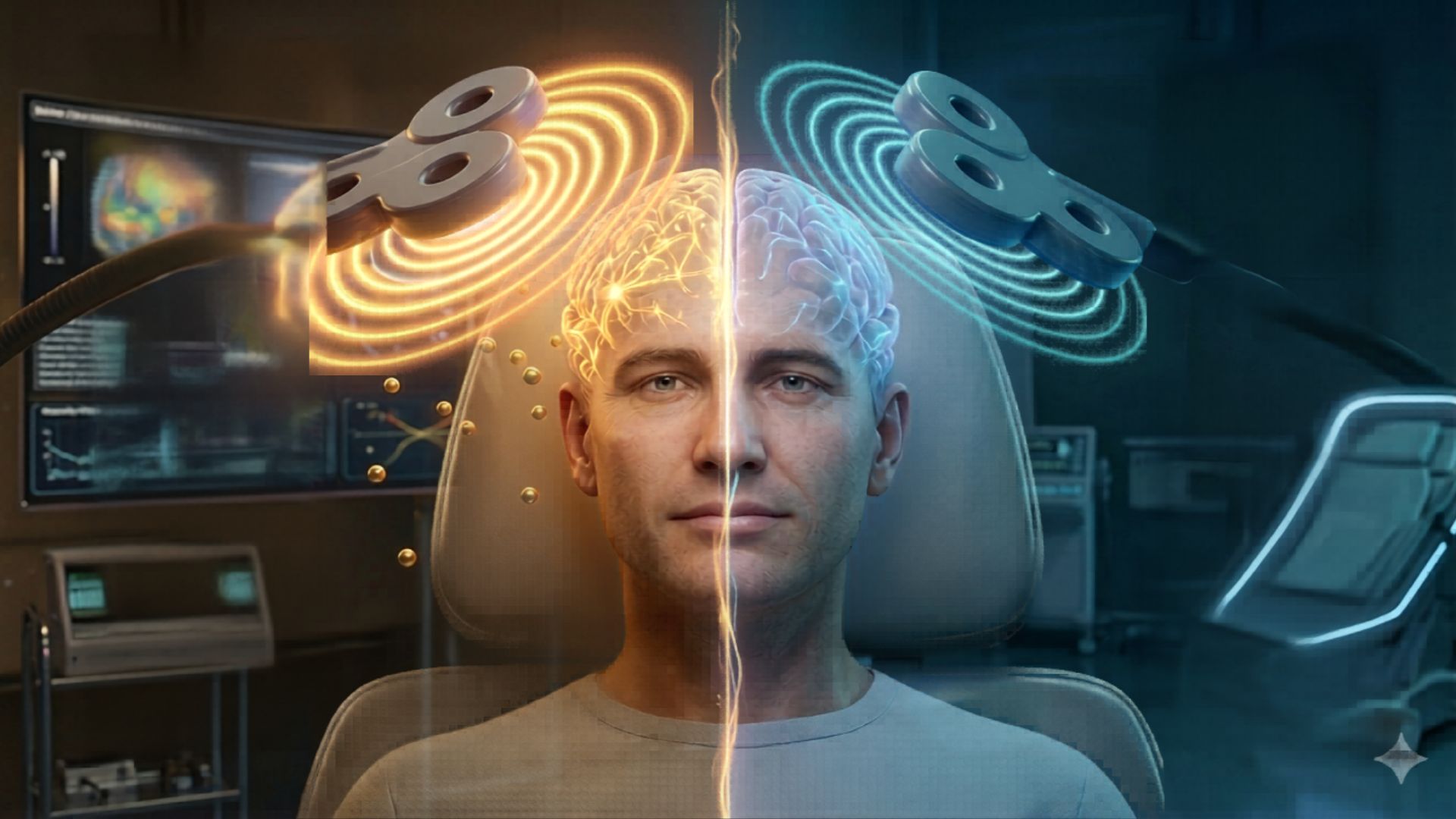
How TMS Works on the Brain Part 4:High-Frequency TMS vs. Low-Frequency TMS
How TMS Works on the Brain Part 4:High-Frequency TMS vs. Low-Frequency TMS One of the defining features of transcranial magnetic
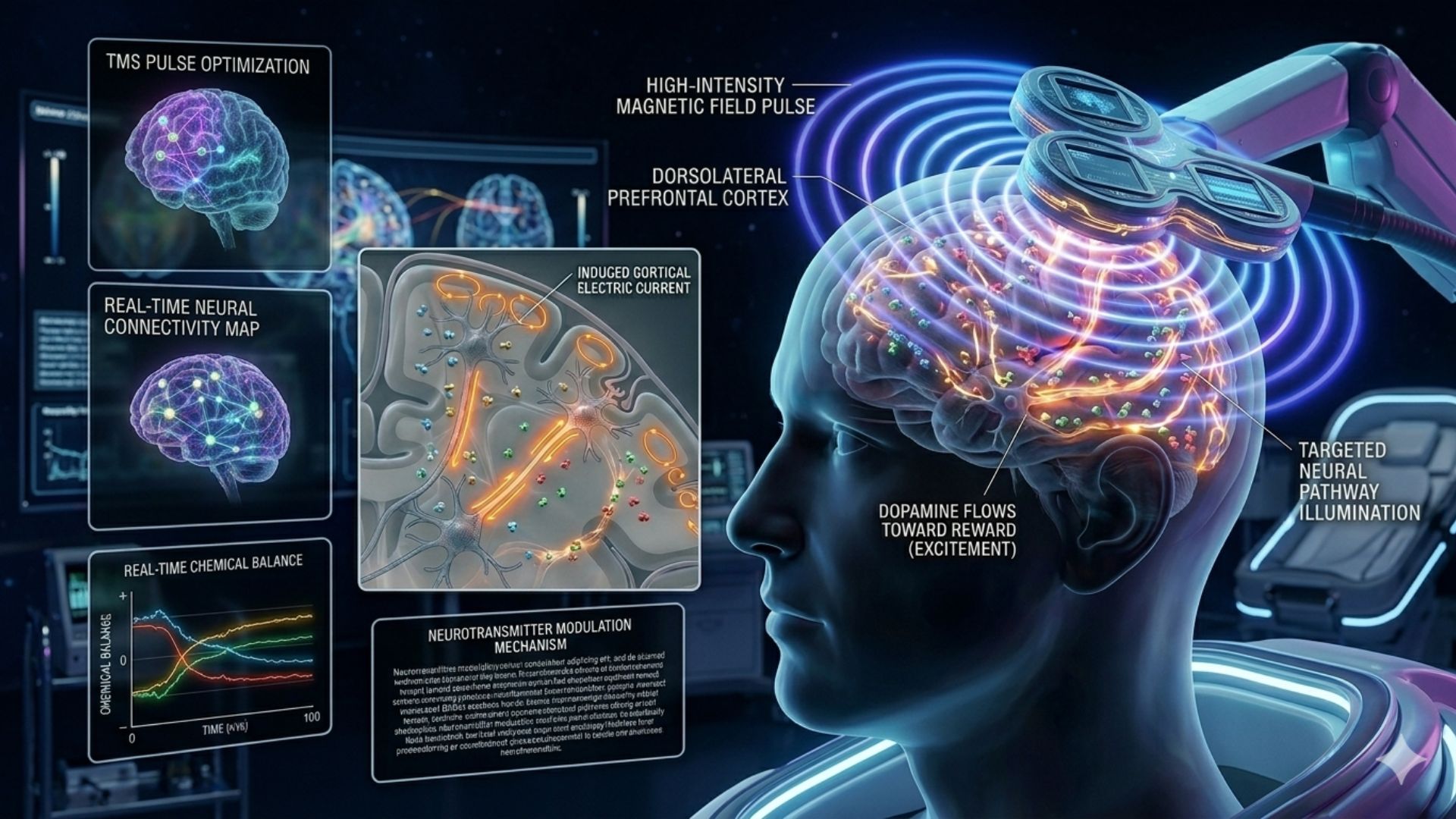
How TMS Works on the Brain Part 3:Neurotransmitter Regulation via TMS
How TMS Works on the Brain Part 3: Neurotransmitter Regulation via TMS One of the most significant effects of transcranial
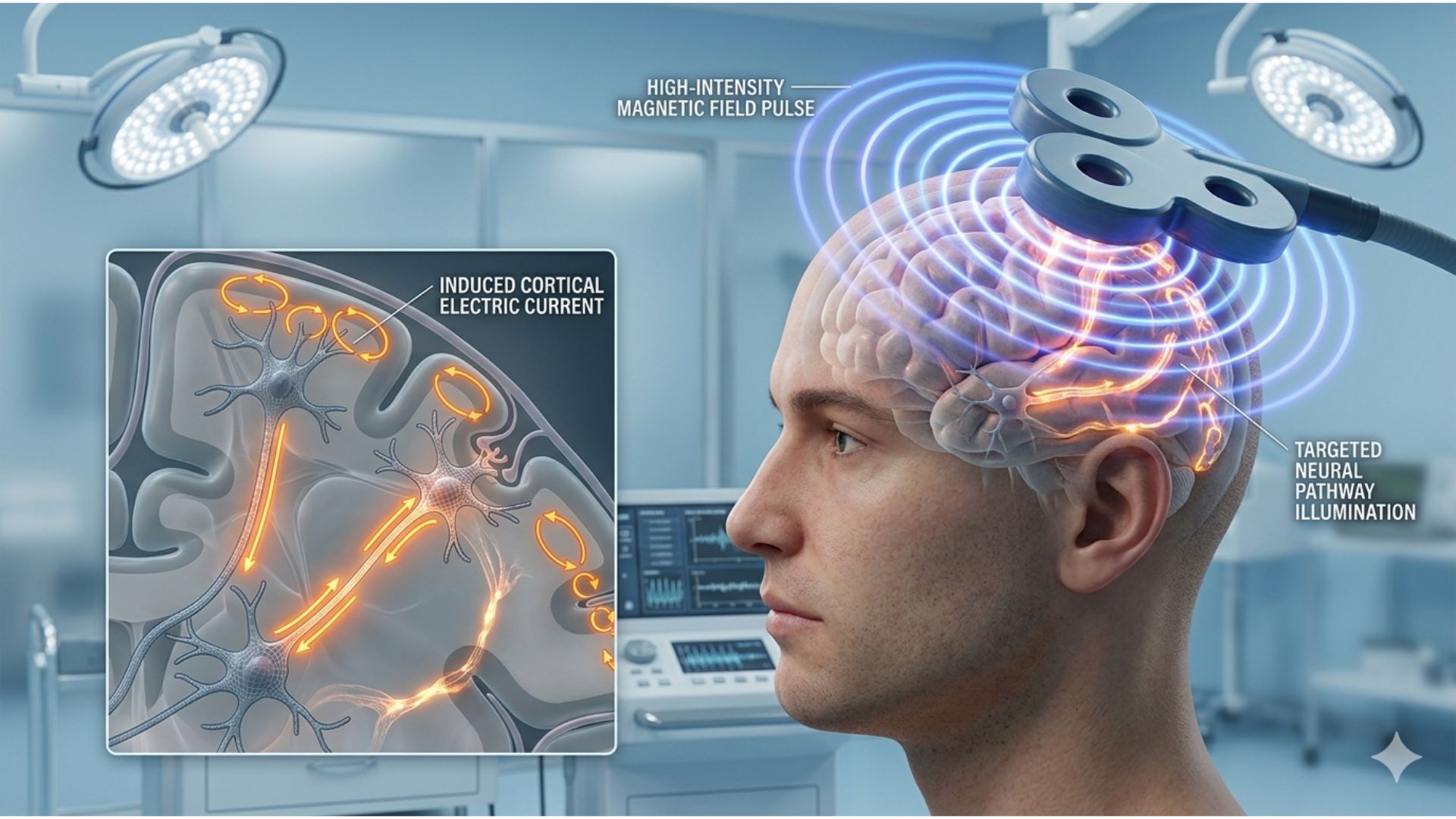
How TMS Works on the Brain Part 2:Electrical Currents Induced by Magnetic Fields
How TMS Works on the Brain Part 2:Electrical Currents Induced by Magnetic Fields Transcranial Magnetic Stimulation (TMS) operates on the
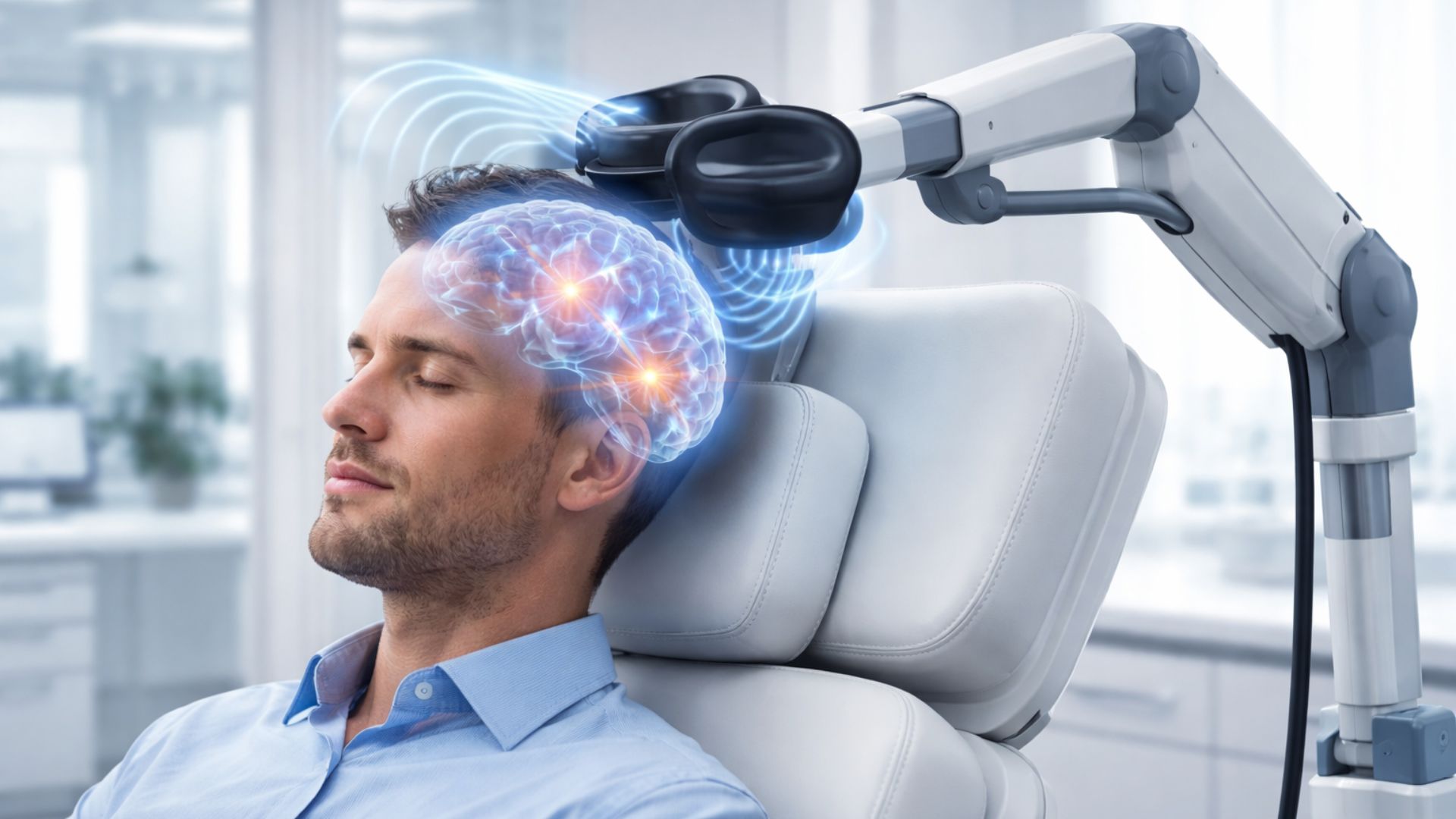
How TMS Works on the Brain Part 1:The Basics of Brain Stimulation with TMS
How TMS Works on the Brain Part 1:The Basics of Brain Stimulation with TMS Transcranial Magnetic Stimulation (TMS) is a

TMS Therapy for Anxiety: Finding Calm Without Medication
TMS Therapy for Anxiety: Finding Calm Without Medication Anxiety can feel overwhelming, interfering with work, relationships, and daily life. While

Breaking the Stigma: Seeking Mental Health Support with TMS
Breaking the Stigma: Seeking Mental Health Support with TMS Mental health challenges affect millions of people worldwide, yet many hesitate
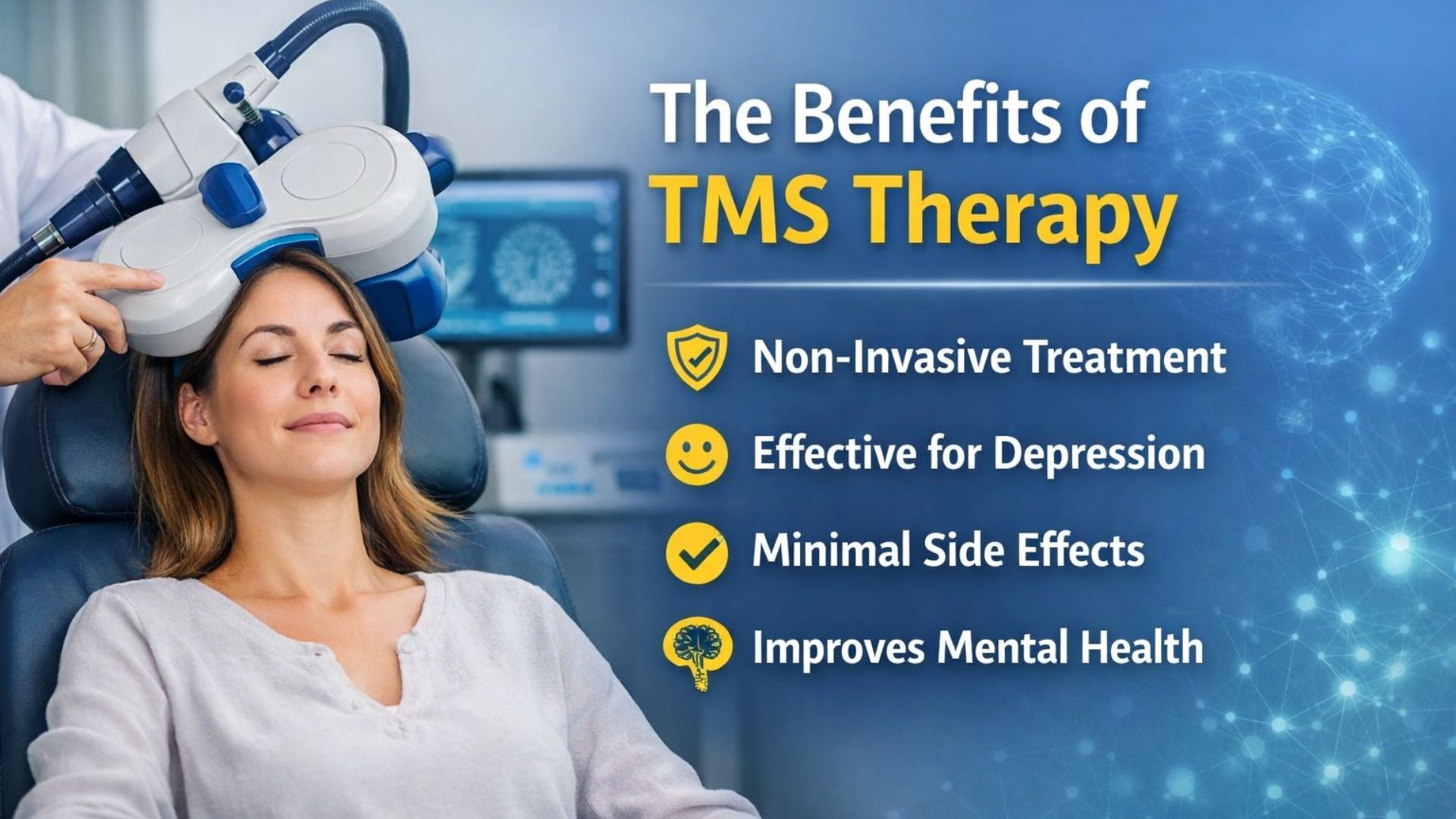
The Benefits and Effectiveness of Transcranial Magnetic Stimulation (TMS) Therapy
Transcranial Magnetic Stimulation (TMS) is a revolutionary, non-invasive therapy that uses magnetic pulses to stimulate nerve cells in the brain.

Supporting Mothers’ Mental Health: Addressing Postpartum Depression Through TMS
In recent years, medical science has introduced innovative treatments that provide hope for women who do not respond well to traditional antidepressant medications. One of the most promising therapies is Transcranial Magnetic Stimulation (TMS), a non-invasive,

Break Free from OCD: How TMS Therapy Offers Safe and Effective Relief
(OCD) is far more than a simple preference for order or tidiness. It is a serious mental health condition that can take over daily life, creating intrusive thoughts, overwhelming anxiety, and repetitive behaviors that feel impossible to control. For someone living with OCD, daily routines can become consumed by rituals and compulsions

Managing Bipolar Disorder with TMS Therapy: How Magnetic Stimulation Can Support Mood Stability
Bipolar disorder is a complex mental health condition that affects millions of people worldwide. Characterized by extreme mood swings that range from intense highs, or mania, to profound lows, or depression, this condition can disrupt daily routines,
What is TMS Part 9:Emerging Interest in TMS Beyond Psychiatry
Although Transcranial Magnetic Stimulation (TMS) is primarily recognized for its role in psychiatry, its applications are steadily expanding into other medical fields. The non-invasive nature of TMS,

What is TMS Part 8: The Role of TMS in Modern Psychiatry
Transcranial Magnetic Stimulation (TMS) has emerged as a cornerstone of modern psychiatry, offering a lifeline to patients with treatment-resistant conditions. Its ability to stimulate underactive brain
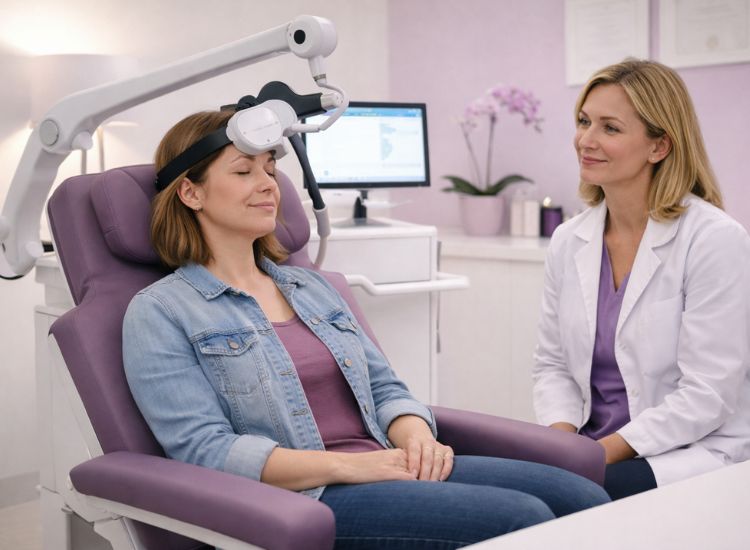
What is TMS Part 7: The Non-Invasive Nature of TMS
The non-invasive nature of Transcranial Magnetic Stimulation (TMS) is one of its most appealing features, setting it apart from other psychiatric treatments. Unlike medications that affect the entire body

What is TMS Part 6: Common Misconceptions About TMS
Despite its growing popularity, several misconceptions about Transcranial Magnetic Stimulation (TMS) persist. Misinformation surrounding the procedure often discourages individuals from
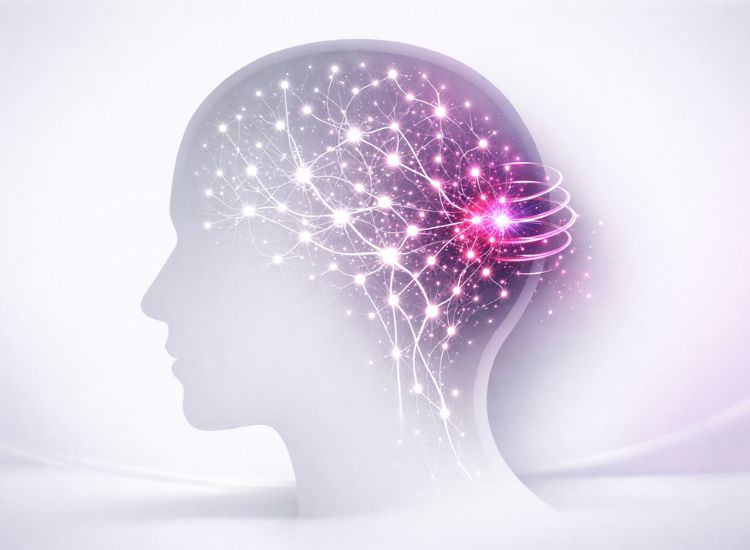
What is TMS Part 5: The Science of Neuroplasticity and TMS
Neuroplasticity refers to the brain’s ability to adapt and reorganize itself by forming new neural connections. This fundamental property allows the brain to recover from injuries, learn new skills, and adapt