
A Promising Alternative: TMS for OCD Treatment at Palmier TMS & Behavioral Health
Living with Obsessive-Compulsive Disorder (OCD) means grappling with intrusive, distressing thoughts and repetitive behaviors that can take over everyday life. Standard treatments—like SSRIs, psychotherapy (particularly ERP), and cognitive behavioral approaches—help many, but not all. For those with treatment-resistant OCD, outcomes are often disappointing and frustrating. This is where Transcranial Magnetic Stimulation (TMS)—specifically Deep TMS (dTMS)—comes in. FDA-approved in 2018 for OCD, this non-invasive neuromodulation technique offers new hope for symptom reduction, improved functioning, and a restored sense of self. At Palmier TMS & Behavioral Health, we utilize the latest TMS technologies and treatment protocols to provide effective, compassionate care tailored to individuals with OCD.
1. Understanding OCD: More Than Just Repetitive Thoughts
Obsessive-Compulsive Disorder (OCD) is a chronic and often debilitating mental health condition that affects millions of people. It is characterized by the presence of obsessions—unwanted, intrusive, and distressing thoughts, images, or urges—and compulsions, which are repetitive behaviors or mental acts performed to reduce the anxiety caused by these obsessions.
Common Examples of Obsessions and Compulsions
- Obsessions may include:
- Fear of contamination by germs, dirt, or illness
- Intrusive thoughts about harming oneself or others
- Unwanted sexual or violent images
- Extreme need for symmetry or order
- Compulsions may manifest as:
- Excessive handwashing or cleaning
- Repeated checking of doors, appliances, or locks
- Counting, tapping, or repeating words silently
- Rearranging items until they feel “just right”
These symptoms are not habits or preferences—they are compelled by overwhelming anxiety and a perceived need to prevent something terrible from happening. On average, individuals with OCD spend at least one hour per day performing compulsions or grappling with obsessions. In more severe cases, OCD can consume much of the day and significantly interfere with work, school, and personal relationships.
Conventional Treatments for OCD
The standard treatment plan for OCD typically includes:
1. Medication (SSRIs and SNRIs)
Selective serotonin reuptake inhibitors (SSRIs), such as sertraline, fluoxetine, and fluvoxamine, are commonly prescribed. In some cases, serotonin-norepinephrine reuptake inhibitors (SNRIs) may also be used. These medications help regulate serotonin levels in the brain, a neurotransmitter associated with mood and anxiety.
2. Psychotherapy – Especially Exposure and Response Prevention (ERP)
Exposure and Response Prevention (ERP) is a specialized form of Cognitive Behavioral Therapy (CBT) that is highly effective for OCD. It involves gradually exposing patients to feared thoughts or situations (such as touching a “contaminated” surface) and helping them resist the urge to perform the associated compulsion (such as washing hands). This breaks the cycle of fear and ritual.
While these approaches can be very effective, up to 40–60% of patients do not find sufficient relief from traditional treatments—due to medication side effects, partial symptom control, or a lack of lasting change.
The Challenge of Treatment-Resistant OCD
When OCD symptoms persist despite multiple treatments, individuals may be diagnosed with treatment-resistant OCD. This condition presents an enormous burden—not just emotionally and socially, but also functionally, as it limits one’s ability to lead a normal, productive life.
This is where Transcranial Magnetic Stimulation (TMS)—specifically Deep TMS (dTMS)—comes into play. TMS is a non-invasive, non-drug brain stimulation therapy that has been FDA-cleared for OCD treatment in adults who have not responded to more conventional methods.
With a strong foundation in neuroscience, increasing clinical validation, and proven success stories, TMS is rapidly becoming a leading-edge option for individuals seeking a more targeted and sustainable path to relief.
2. How Deep TMS (dTMS) Tackles OCD
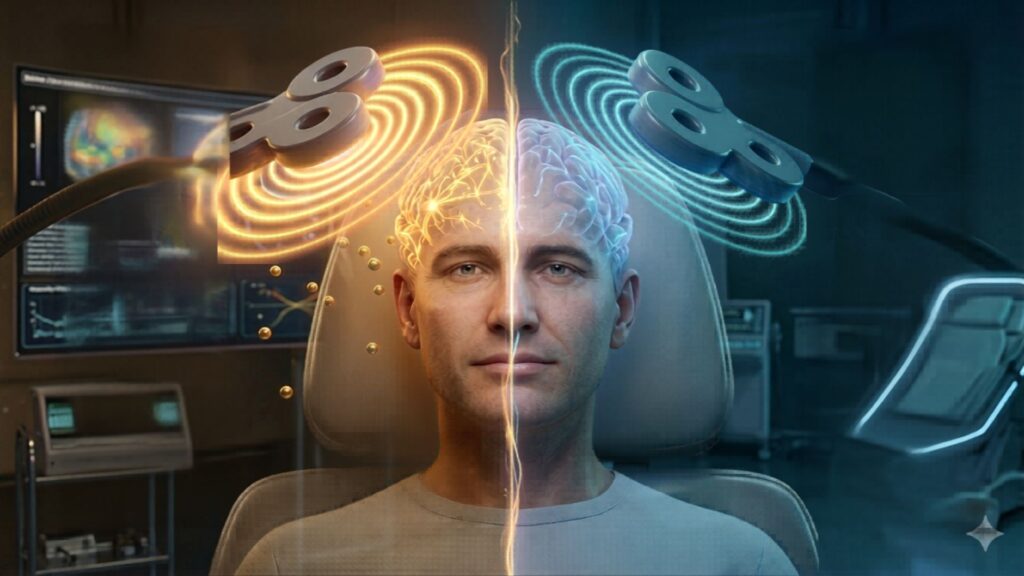
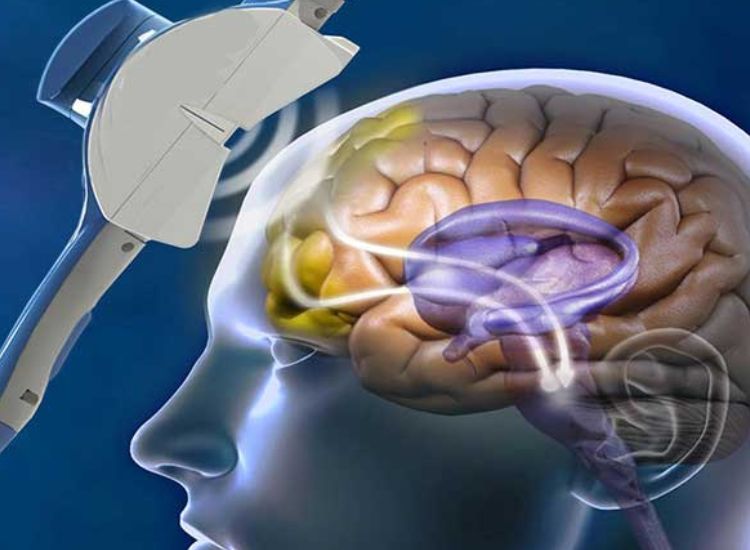
Deep Transcranial Magnetic Stimulation (dTMS) is an advanced form of non-invasive brain stimulation that goes beyond surface-level treatment by reaching deeper brain regions involved in the pathology of OCD. Specifically, dTMS utilizes specialized H-coils designed to penetrate to the anterior cingulate cortex (ACC) and the medial prefrontal cortex (mPFC)—two areas highly implicated in the loop of obsessive thoughts and compulsive actions.
These brain regions are part of the cortico-striatal-thalamo-cortical (CSTC) circuit, which is believed to be hyperactive in individuals with OCD. Disrupting or recalibrating this overactivity offers a promising path to symptom relief.
What a Typical dTMS Session Looks Like
- Symptom Provocation Exercise
Each session begins with a carefully guided symptom provocation task. This is not meant to distress the patient but rather to “activate” the relevant OCD circuitry in the brain, making it more receptive to therapeutic stimulation. For instance, a patient with contamination fears might be asked to briefly touch a surface they perceive as dirty. - Stimulation Phase
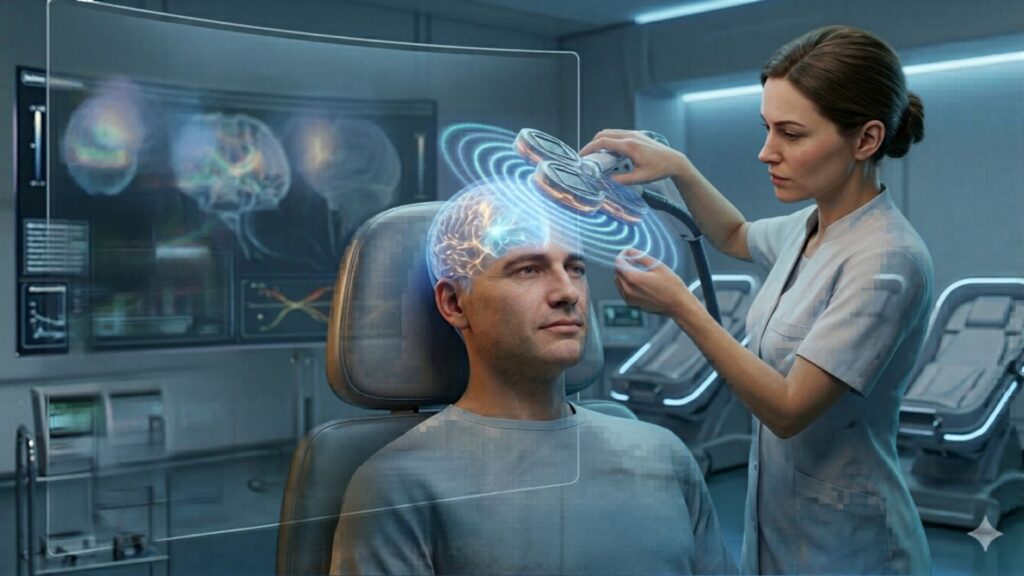
After provocation, magnetic pulses are delivered through the H-coil, which is positioned over the patient’s scalp. The session lasts about 18 to 20 minutes, and patients typically undergo treatment five days per week for 4 to 6 weeks. - Neural Response
Over the course of treatment, the stimulation helps decrease the hyperactivity of the OCD-related neural circuits. This reduces the intensity and frequency of obsessions and compulsions, often leading to long-term improvements in daily functioning and overall quality of life.
Comfort and Convenience
- No Anesthesia or Sedation Required: dTMS is completely non-invasive and does not require any medication or sedation.
- Minimal Side Effects: The most commonly reported sensation is a light tapping on the scalp and a soft clicking sound during treatment. Headaches may occur in rare cases but are usually mild and short-lived.
- Zero Downtime: After each session, patients can immediately resume their daily activities, including work, school, or social events.
Deep TMS is not only effective—it’s also highly manageable for patients with busy lives. This makes it an excellent alternative to pharmacologic treatments that often come with difficult side effects or long adjustment periods.
3. Robust Evidence for dTMS in OCD Care
A. Clinical Trials & FDA Approval
Deep Transcranial Magnetic Stimulation (dTMS) gained FDA approval in 2018 as one of the first non-invasive, non-drug treatments for Obsessive-Compulsive Disorder (OCD). This was a major milestone in psychiatry and neuromodulation, marking the transition of TMS from depression-focused care to a wider range of mental health conditions.
The pivotal clinical study that led to FDA approval demonstrated a 39% reduction in OCD symptoms after just 10 sessions. These effects were not short-lived—patients continued to experience relief one month after completing the protocol, highlighting both its efficacy and durability.
B. Real-World Efficacy
The effectiveness of dTMS is not confined to clinical trials—it translates powerfully into real-world settings. A 2022 follow-up study showed the following:
- Response rates of 38–39% in controlled trials.
- Up to 52% response rates observed in real-world treatment settings.
Among 108 patients who responded positively to treatment, 60 individuals were tracked for long-term outcomes:
- 87% maintained clinical improvement after one year.
- 43% sustained meaningful symptom relief for more than two years.
These findings also correlated with significant improvements in daily function. Patients reported fewer lost or unproductive days, as OCD symptoms no longer dictated their routines. For many, this meant a return to work, education, or family life with greater confidence and peace of mind.
C. Treatment Course Insights
Most patients begin noticing meaningful improvements by the 18th to 20th session, usually within 3 to 4 weeks of starting therapy. Each session builds on previous ones, gradually rewiring the brain circuits associated with obsessive-compulsive patterns.
Some studies report success rates as high as 45.2%, with active dTMS significantly outperforming sham (placebo) treatments. This reinforces dTMS as a scientifically supported and effective option, especially for patients who have tried medications and therapy with limited success.
D. Accelerated Protocols
For individuals seeking faster symptom relief or managing tight schedules, accelerated dTMS protocols offer an exciting alternative. These involve twice-daily sessions or condensed treatment timelines.
Small-scale studies and patient reports suggest:
- Symptom relief may begin within just 2 weeks.
- Up to 45% reduction in OCD symptoms over the short term.
- These protocols are particularly beneficial for urgent cases or individuals with limited time for daily treatment.
At Palmier TMS & Behavioral Health, such customized options are available for eligible patients, allowing for flexible care that adapts to real-life demands.
4. How Palmier TMS Enhances Your OCD Journey
What truly distinguishes Palmier TMS & Behavioral Health in the treatment of OCD is not just our use of cutting-edge technology—but our deep commitment to patient-centered, personalized care.
A. Individualized Treatment Plans
No two individuals experience OCD the same way, so why should treatment be one-size-fits-all? At Palmier TMS, we customize each treatment plan based on your unique symptom profile, history, and therapeutic goals.
Whether you’re undergoing a standard 10-session course, need an extended treatment plan, or would benefit from accelerated sessions, our clinicians craft the approach that best fits your needs. Your plan evolves as you progress, ensuring the most effective path to recovery.
B. Expertise & Supportive Environment
Every dTMS session at Palmier is administered by certified, experienced clinicians trained in the latest FDA-approved techniques. We utilize specialized H-coils to target deeper brain regions implicated in OCD—offering scientifically sound, safe, and effective care.
More importantly, treatment takes place in a calm, non-judgmental setting. Patients often describe the environment as welcoming and relaxing—a space where healing can begin, free from stigma or pressure. Building trust is at the core of our practice.
C. Insurance Navigation
Navigating healthcare coverage can be overwhelming. Palmier TMS is here to ease that burden.
We work with most major insurance providers, including Medicare, Medicaid, and commercial plans. Our administrative team handles the entire process—from benefits verification to pre-authorization and billing—so you can focus on getting better, not on paperwork.
D. Convenient Scheduling
TMS is a non-sedating, outpatient procedure, meaning there’s no anesthesia, no downtime, and no need for a ride home. Most patients return to their daily activities—work, school, family—immediately after treatment.
Our flexible scheduling options allow you to receive care without disrupting your lifestyle. Early mornings, lunchtime sessions, or after-hours appointments—we help fit treatment into your world, not the other way around.
5. What the TMS Experience Looks & Feels Like
Understanding what to expect during the dTMS process can help ease anxiety and foster confidence in treatment. At Palmier TMS & Behavioral Health, we prioritize comfort, clarity, and transparency every step of the way.
Initial Consultation
Your journey begins with a comprehensive consultation where we:
- Review your medical and OCD history
- Evaluate your suitability for TMS (including any MRI considerations)
- Walk you through the dTMS procedure, session schedule, and expected outcomes
This is also your opportunity to ask questions, express concerns, and understand how TMS fits into your larger mental health journey.
Frequently Asked Questions
Q1. Is dTMS painful?
No. You’ll feel mild tapping and hear clicks, but it is not painful. Discomfort is usually mild and improves over time.
Q2. How long until I see results?
Improvements often begin after 18–20 sessions (around 3–4 weeks), with continuing progress throughout six weeks.
Q3. What are the side effects?
Expect possible scalp tenderness or headaches—rarely more severe. Treatment remains safe and well-tolerated.
Q4. Can I drive afterward?
Yes. dTMS does not impair your ability to drive or operate machinery.
Q5. Is it covered by insurance?
Most plans, including Medicare and Medicaid, cover FDA-approved dTMS for treatment-resistant OCD. Palmier TMS assists with verification and documentation.
Q6. Will I need maintenance treatment?
Possibly. Many benefit from occasional booster sessions to sustain improvements—especially after >1 year.
Q7. How does dTMS differ from medications or DBS?
Unlike medication, dTMS is non-systemic and avoids side effects like weight gain or sedation. Compared to deep brain stimulation (DBS)—which requires brain surgery and hardware implants—dTMS is non-invasive, safer, and poses fewer risks.
Conclusion
For those facing treatment-resistant OCD, Deep TMS offers a science-backed, effective path forward—without medication or invasive procedures. With reductions in symptoms, fewer days lost, and months to years of sustained benefit, the power of dTMS is clinically meaningful.
At Palmier TMS & Behavioral Health, you’ll find a compassionate, evidence-based environment supported by expert care, personalized protocols, and administrative ease. Whether you’re just starting to explore dTMS or have already tried other options, our team is ready to guide your journey toward relief, resilience, and renewed freedom from OCD.
Ready to break free from OCD? Schedule a FREE consultation at Palmier TMS & Behavioral Health today:
📍 Locations:
- Chesterfield: 112 Chesterfield Commons East Rd, Chesterfield, MO 63005
- Richmond Heights: 1505 S Big Bend Blvd, Richmond Heights, MO 63117
- Osage Beach (Ozarks): 5721 Osage Beach Pkwy, Suite 300, Osage Beach, MO 65065
📞 Call: (314) 697‑4867
🌐 Book Online: palmiertms.com
Don’t wait—reclaim your life and rediscover mental clarity.